
Sanskriti Sansad in Varanasi to unveil voluntary Hindu code of conduct
 By Devansh TiwariKnowledge Systems Writer, Peepals Sanskriti
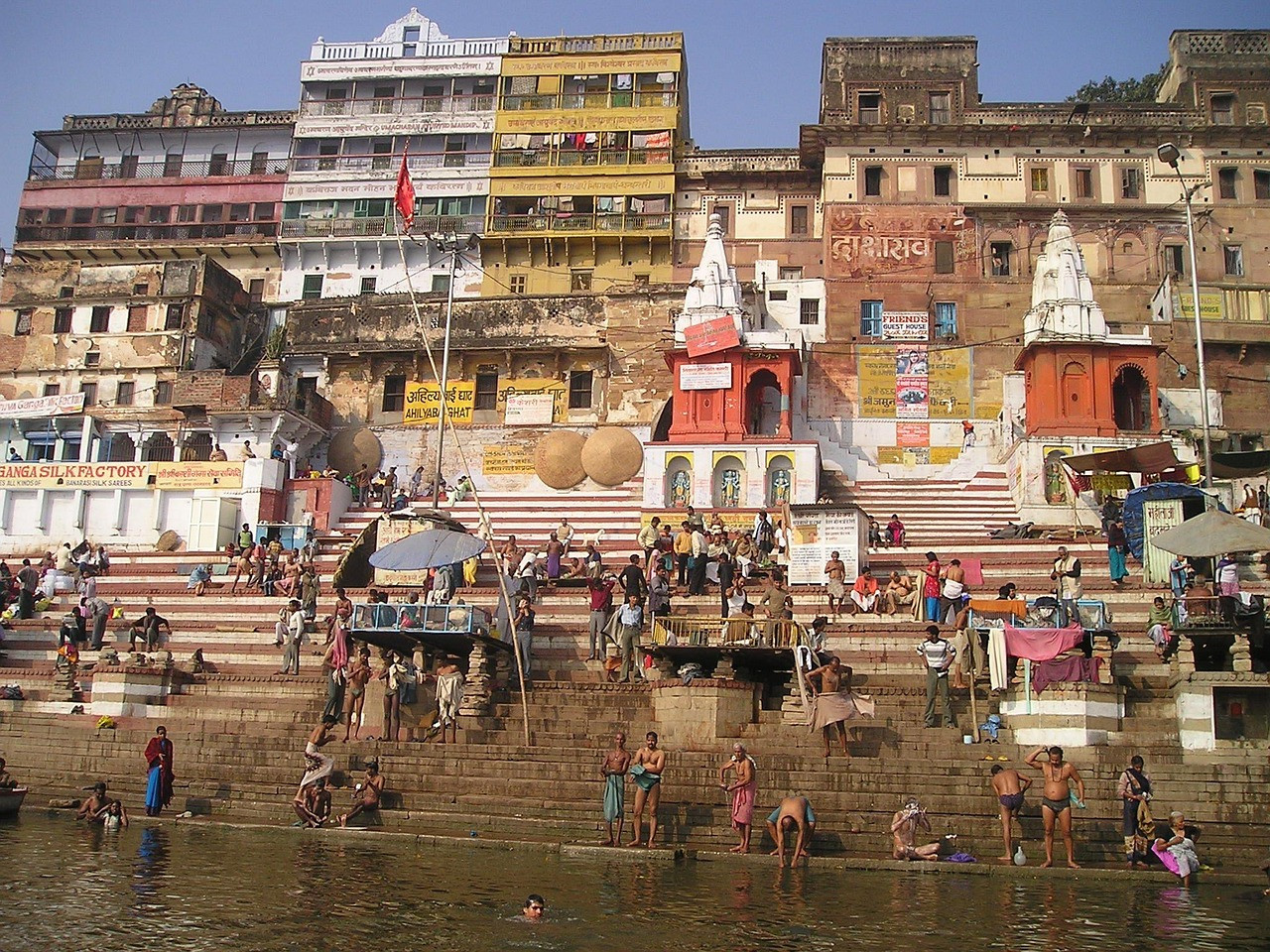
Representative image: Simon / Pixabay
A voluntary Hindu code of conduct is to be announced at the Sanskriti Sansad in Varanasi, November 3 to 5, 2026, with a plan to gather Manusmriti manuscripts.
What Happened
Hindu religious leaders plan to announce a voluntary "Hindu Achar Sanhita", or Hindu code of conduct, at the sixth Sanskriti Sansad, a three-day gathering on culture and tradition to be held at the Rudraksh Convention Centre in Varanasi, Uttar Pradesh, from November 3 to 5, 2026. The event is organised by the Ganga Mahasabha under the guidance of the Akhil Bharatiya Sant Samiti, the Akhil Bharatiya Akhara Parishad and the Shri Kashi Vidvat Parishad, a council of Varanasi scholars. Swami Jitendranand Saraswati of the Sant Samiti told reporters in late October that the code would be voluntary and would not be imposed on anyone. The agenda also includes an effort to collect manuscripts of the Manusmriti, the ancient law text, from collections around the world.
Key Facts
- The sixth Sanskriti Sansad runs from November 3 to 5, 2026, at the Rudraksh Convention Centre, Varanasi.
- Organisers say a proposed Hindu code of conduct ("Achar Sanhita") will be announced there, and that following it will be voluntary.
- The Ganga Mahasabha is organising the event, guided by the Akhil Bharatiya Sant Samiti, the Akhil Bharatiya Akhara Parishad and the Shri Kashi Vidvat Parishad.
- Sunil Deodhar, a former BJP national secretary, chairs the organising committee.
- Attendance estimates differ: organisers' briefings have spoken of 2,000 to more than 3,000 saints, from many sects, along with thousands of young delegates.
- Sessions will also cover collecting Manusmriti manuscripts from across the world, cultural education and the role of young people.
Why It Matters
Hindu tradition has never had a single central authority. Its rules of daily life, worship and family custom grew out of many texts, schools, sects and regional practices, and they have been read differently in different places and times. A code of conduct agreed by a large group of saints and scholars would be an attempt to set out shared norms for ordinary followers. That makes the Varanasi meeting worth watching for anyone interested in how Indian traditions are being reinterpreted today.
The Shri Kashi Vidvat Parishad has done something similar before. In July 2025 it released a 400-page Hindu code of conduct that dealt with matters such as dowry and wedding spending. The sources do not say whether the new code will build on that document, so readers should wait for the text itself.
The plan to gather Manusmriti manuscripts touches on the academic side of India's knowledge systems. Like many ancient Indian texts, the Manusmriti survives in many handwritten copies held in libraries and private collections, and scholars compare such copies to understand how a text changed over centuries. How the organisers will collect, study or publish the manuscripts has not been explained.
The idea also raises an old question. Commentators have pointed out that who has the authority to interpret Hindu dharma and set norms for Hindu society is itself debated, since no single body speaks for all Hindus. Because the code is described as voluntary, its influence will depend on how many institutions, temples and families choose to adopt it.
| Detail | What organisers have said |
|---|---|
| Dates and place | November 3 to 5, 2026, Rudraksh Convention Centre, Varanasi |
| Main announcement | A voluntary Hindu code of conduct |
| Guiding bodies | Sant Samiti, Akhara Parishad, Shri Kashi Vidvat Parishad |
| Other agenda | Manusmriti manuscripts, cultural education, youth |
Impact
Short-term: The announcement in early November will be closely followed by religious groups, scholars and political observers, and its contents are likely to be debated.
Long-term: If major monasteries, akharas and temple bodies adopt the code, it could shape guidance on rituals and family customs for many followers. If adoption is limited, it may remain one view among many, as has often been the case in Hindu tradition.
Who is affected: Hindu religious institutions and followers, scholars of Indian texts and manuscripts, students of Indian philosophy, and families interested in how traditional norms are being restated.
Key Takeaway
A voluntary Hindu code of conduct is to be announced at the Sanskriti Sansad in Varanasi on November 3 to 5, 2026, alongside a plan to gather Manusmriti manuscripts from around the world.
Questions and Answers
What is the Sanskriti Sansad 2026?
It is the sixth edition of a gathering of saints, scholars and young delegates on Indian culture, held at Varanasi's Rudraksh Convention Centre from November 3 to 5, 2026, and organised by the Ganga Mahasabha.
Will the Hindu code of conduct be compulsory?
No. Swami Jitendranand Saraswati of the Akhil Bharatiya Sant Samiti said the code would be voluntary and not imposed on anyone.
What will the code contain?
Its contents have not been published. Organisers have said it will be announced at the event, so details will be known only from November 3 onwards.
Why are Manusmriti manuscripts part of the agenda?
Organisers say they want to collect manuscripts of the text from collections across the world. They have not yet explained how the manuscripts will be studied or published.
Disclaimer: Prepared by the Peepals newsroom from publicly available sources with AI assistance. Information is accurate to the best of our knowledge at the time of publication and may change. Images may be representative. Not professional advice. Report an error via our contact page.
By Devansh Tiwari, Knowledge Systems WriterCovers Knowledge Systems and more for Peepals Sanskriti. All stories by Devansh Tiwari
Get the day's stories in your inbox
Peepals Weekly: the week decoded, free. One email a week, unsubscribe in one click.
Devansh Tiwari is a pen name of the Peepals Global Editorial Team, which researches, fact-checks and publishes every story. The portrait is an illustration.