
Mala Devi temple Gyaraspur: ASI to dismantle, rebuild 1,100-year-old shrine
 By Ishita SenCulture & Heritage Editor, Peepals Sanskriti
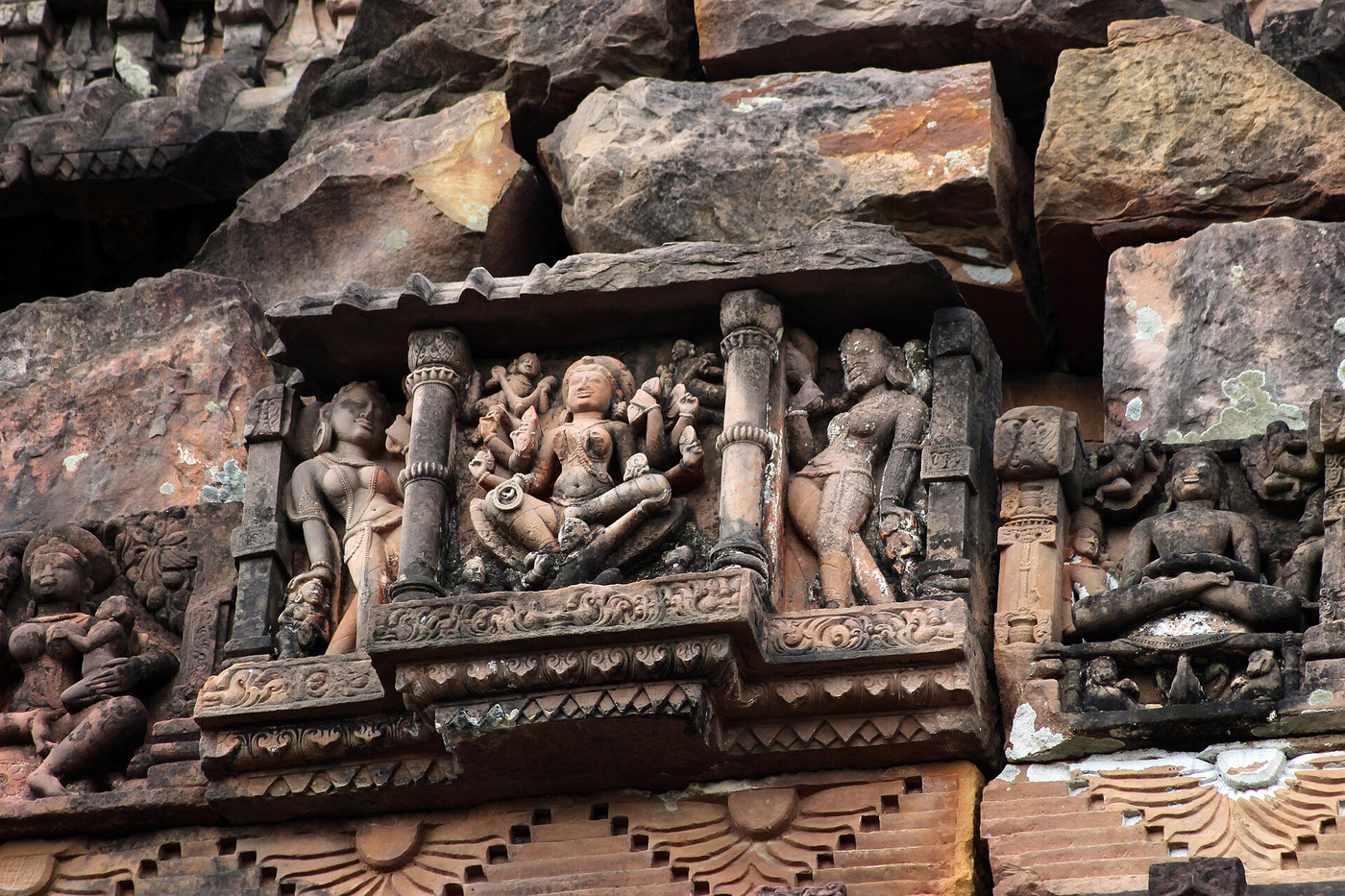
File photo: Suyash Dwivedi (CC BY-SA 4.0), via Wikimedia Commons
The ASI plans to take apart and rebuild the 1,100-year-old Mala Devi temple at Gyaraspur, Vidisha, on a new base after finding its foundation brittle (reported 3 November 2026).
What Happened
The Archaeological Survey of India (ASI) has begun work on a plan to take apart and rebuild the Mala Devi temple at Gyaraspur in Madhya Pradesh's Vidisha district, a partly rock-cut shrine thought to be about 1,100 years old. Reports dated Tuesday, 3 November 2026 say the ASI found the temple's foundation weak and brittle, with a real chance of collapse. Instead of patching it in place, the agency plans to dismantle the structure, lay a new platform beneath the original base and put the temple back together stone by stone. The temple has not yet been taken down; the ASI is first recording every stone and carving.
Key Facts
- Monument: Mala Devi (Maladevi) temple, Gyaraspur, Vidisha district, Madhya Pradesh.
- Age: about 1,100 years; historians date it to the 9th–10th century, the Gurjara-Pratihara period.
- Status: protected by the ASI as a Monument of National Importance.
- Problem: the ASI's assessment is that the base has become weak and brittle and could give way.
- Plan: dismantle the temple, build a new platform under the original foundation, then reassemble it.
- Current stage: every stone and carving is being identified, recorded and documented, both by hand and digitally.
- Time: the conservation is expected to take more than two years, according to reports on the plan.
Why It Matters
Mala Devi is one of the most unusual temples of central India. It is not a free-standing building in the usual sense. Part of it is cut into the hillside, and its roof, sanctum and rear wall merge with the natural rock, while the front and the decorated spire are built of carved stone. That mix is what gives it its striking look on the slope above Gyaraspur, and it is also what makes it hard to save. When a building rests partly on living rock and partly on a built platform, any weakness in the platform puts strain on the whole structure.
The temple also carries a layered religious history. Its sanctum holds Jain images, and it is generally described as a Jain temple. Yet figures of goddesses on the outer door-frame, and the name Mala Devi itself, have led scholars to suggest it may first have been a Brahmanical shrine that later passed into Jain worship. That shift makes it an important record of how sacred spaces in the Vidisha region were shared and reused across centuries.
Dismantling and rebuilding a monument is one of the most serious steps a conservator can take. It is chosen when repairs in place cannot stop a collapse. The method only works if the original position of each piece is known exactly, which is why the ASI is starting with a complete inventory. Each carved block has to return to the same spot, facing the same way, so that the temple that stands again is the same temple and not a copy. A local commentator quoted in reports said that if the ASI succeeds in rebuilding it faithfully in its original style, it could become a historic achievement for Indian archaeology.
Peepals timeline: a temple about 1,100 years old in 2026 dates back to roughly the 920s (2026 − 1,100 = 926), which sits inside the 9th–10th century period historians give for Mala Devi. On 3 November 2026 the ASI's plan to dismantle and rebuild it was reported, with documentation of the stones under way. With the work expected to take more than two years, the restored temple is not likely to be complete before late 2028. Our calculation from the reported figures.
| Stage | What the reports say |
|---|---|
| Built | 9th–10th century, Gurjara-Pratihara period |
| Problem found | Weak, brittle foundation at risk of collapse |
| Now | Every stone and carving being recorded by hand and digitally |
| Next | Dismantling, new platform under the original base, reassembly |
| Duration | More than two years |
Impact
Short-term: the documentation phase comes first, so the temple will look much the same for now. Once dismantling starts, visitors to Gyaraspur should expect the monument and its surroundings to be a work site, and access may be limited.
Long-term: if the rebuild succeeds, one of Vidisha district's best-known monuments will stand on a sound foundation for generations. The project will also be closely watched as a test of how the ASI handles partly rock-cut temples, a type found across central and western India.
Who is affected: pilgrims and Jain devotees who visit the shrine, heritage tourists on the Vidisha, Sanchi and Udayagiri circuit, the people of Gyaraspur, and students and researchers of early medieval temple architecture.
Key Takeaway
The ASI plans to save the 1,100-year-old Mala Devi temple at Gyaraspur by recording every stone, taking it apart and rebuilding it on a new foundation, work expected to last more than two years.
Questions and Answers
Why is the ASI dismantling the Mala Devi temple?
Its foundation has become weak and brittle, and the ASI judged that it could collapse. Taking the temple apart allows a new platform to be built beneath the original base before the structure is reassembled.
Where is the Mala Devi temple?
It stands at Gyaraspur in Vidisha district, Madhya Pradesh, partly carved into a hillside. It is a protected Monument of National Importance.
Is Mala Devi a Jain or a Hindu temple?
Its sanctum holds Jain images and it is usually described as a Jain temple, but goddess figures on its door-frame and its name suggest it may originally have been a Brahmanical shrine.
How long will the Mala Devi temple restoration take?
Reports on the plan say the work is expected to take more than two years. The ASI is currently documenting every stone and carving; the temple has not yet been dismantled.
Disclaimer: Prepared by the Peepals newsroom from publicly available sources with AI assistance. Information is accurate to the best of our knowledge at the time of publication and may change. Images may be representative. Not professional advice. Report an error via our contact page.
By Ishita Sen, Culture & Heritage EditorCovers Culture & Heritage and more for Peepals Sanskriti. All stories by Ishita Sen
Nashik hair growth oil seized: FDA cites bald-cure claims, no licence details
Dhanwantari Jayanti 2026: Nepal marks 28th Wellness Day at Ayurveda centres
Get the day's stories in your inbox
Peepals Weekly: the week decoded, free. One email a week, unsubscribe in one click.
Ishita Sen is a pen name of the Peepals Global Editorial Team, which researches, fact-checks and publishes every story. The portrait is an illustration.