
Day of the Dead parade, born from a Bond film, turns 10
 By Ishita SenCulture & Heritage Editor, Peepals Sanskriti
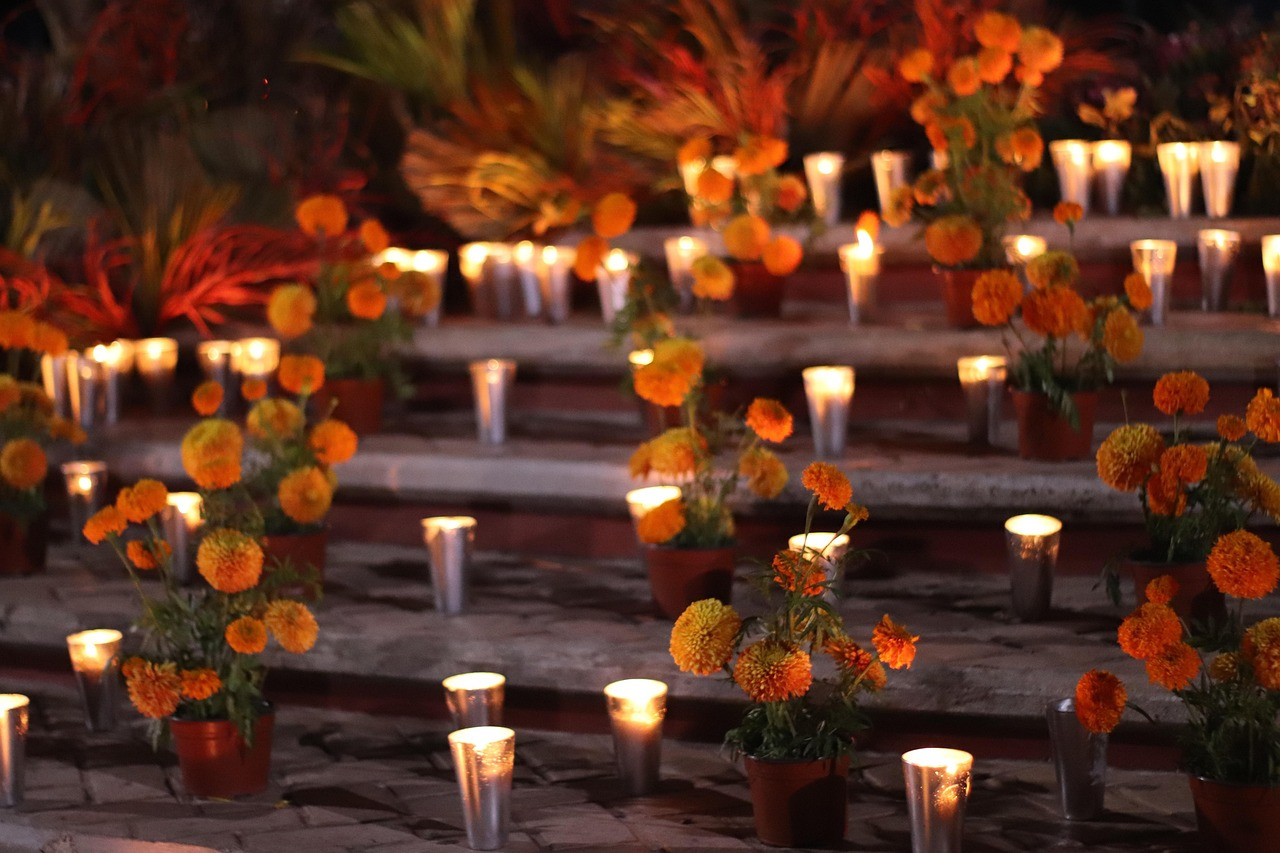
Representative image: DanieBliind / Pixabay
Mexico City held its 10th Day of the Dead parade on 31 October 2026, a tradition first staged in 2016 after the James Bond film Spectre; officials expected over half a million visitors.
What Happened
Mexico City held its 10th annual Day of the Dead parade on Saturday, 31 October 2026, filling Paseo de la Reforma with giant skeletons, floats and performers in feathered headdresses and masks. City officials had expected more than half a million visitors from Mexico and abroad, on a weekend that also saw the city host its Formula One Grand Prix. The parade has an unusual origin: it was first staged in 2016 after the opening scene of the 2015 James Bond film Spectre showed the spy walking through a crowd dressed as the dead in downtown Mexico City, a parade that did not exist at the time. Ten years on, it has become a fixture of one of Mexico's best-known festivals, Día de los Muertos, which families mark between 31 October and 2 November.
Key Facts
- Event: the 10th Day of the Dead Grand Parade in Mexico City, on 31 October 2026.
- Route: along Paseo de la Reforma towards the city centre.
- Origin: first held in 2016, inspired by the opening of the James Bond film Spectre (2015).
- Crowd: officials expected more than half a million visitors; no final count had been published.
- Season: the city lists about 5,000 free activities across its 16 boroughs, and a giant "Monumental Ofrenda", or offering altar, in the Zócalo from 29 October to 2 November.
- Comment: former mayor Miguel Ángel Mancera, who launched the parade, said, "It's a very, very big thing now."
Why It Matters
Día de los Muertos, the Day of the Dead, is one of Mexico's most important traditions. Families build home altars, called ofrendas, with photographs of departed relatives, marigold flowers, candles, food and drink, and visit cemeteries to clean and decorate graves. In the tradition, these days are when the souls of the dead are believed to return to visit the living. The mood is not mournful but warm and often joyful, a way of keeping memory alive.
The parade shows how a living tradition can change, and how popular culture can shape it. A scene invented for a Hollywood film became, within a year, a real event, and within a decade a centrepiece that draws huge crowds. The crowds bring visibility and visitors, but not everyone is comfortable with the change. An academic quoted by AFP described the celebration as having shifted from something "more intimate" into "a mass event", and some cemeteries are now crowded with tourists who compete with families for space at the graves they have come to tend.
That tension is familiar to readers of Sanskriti. Many of India's festivals, from Durga Puja pandals to temple car festivals, have grown into large public spectacles that draw tourists, sponsors and cameras. The same questions arise: how to welcome visitors and keep economic benefits while protecting the rituals and the families for whom the occasion is personal.
For Indian travellers, Mexico City's festival season is also an example of how a city can organise a cultural calendar, with thousands of free events spread across neighbourhoods rather than concentrated in one place.
Peepals timeline: In 2015, the James Bond film Spectre opened with a Day of the Dead procession in Mexico City that did not exist in real life. In 2016, the city staged its first real parade, using some of the giant figures from the film. On 31 October 2026, the 10th parade was held on Paseo de la Reforma, with more than half a million visitors expected, as part of a festival season the city says includes about 5,000 free activities.
| Detail | Information |
|---|---|
| Edition | 10th |
| Date | 31 October 2026 |
| First held | 2016 |
| Inspired by | Spectre (2015) |
| Visitors expected | More than 500,000 |
Impact
Short-term: The parade and the 2 November observances bring large crowds and tourist spending to Mexico City, along with pressure on cemeteries and public spaces.
Long-term: Mexico's authorities and communities will have to balance a fast-growing tourist spectacle with the private, family nature of the tradition.
Who is affected: Mexican families observing the festival, residents of Mexico City, tourists, local businesses and the city's cultural institutions.
Key Takeaway
Ten years after a Bond film imagined it, Mexico City's Day of the Dead parade is a mass event, showing both the reach of a living tradition and the strain that popularity can bring.
Questions and Answers
When was the 2026 Day of the Dead parade in Mexico City?
On Saturday, 31 October 2026, along Paseo de la Reforma. It was the parade's 10th edition.
Why was the Day of the Dead parade started?
It was first held in 2016 after the 2015 James Bond film Spectre opened with a Day of the Dead procession in Mexico City, which did not exist at the time.
What is Dia de los Muertos?
It is a Mexican tradition, observed from 31 October to 2 November, in which families honour departed relatives with home altars, flowers, food and visits to cemeteries.
Why are some people concerned about the parade's growth?
An academic quoted by AFP said the festival has shifted from something intimate to a mass event, and tourists now crowd some cemeteries where families gather.
Disclaimer: Prepared by the Peepals newsroom from publicly available sources with AI assistance. Information is accurate to the best of our knowledge at the time of publication and may change. Images may be representative. Not professional advice. Report an error via our contact page.
By Ishita Sen, Culture & Heritage EditorCovers Culture & Heritage and more for Peepals Sanskriti. All stories by Ishita Sen
Guruvayur temple makes virtual queue darshan daily, adds Rs 25 fee
Chola-era Nataraja and Sivakami bronzes unearthed in Nagapattinam dig
Get the day's stories in your inbox
Peepals Weekly: the week decoded, free. One email a week, unsubscribe in one click.
Ishita Sen is a pen name of the Peepals Global Editorial Team, which researches, fact-checks and publishes every story. The portrait is an illustration.