
Noida food safety drive: 6,425 kg seized, khoya and sweets destroyed before Diwali
 By Ishita SenCulture & Heritage Editor, Peepals Sanskriti
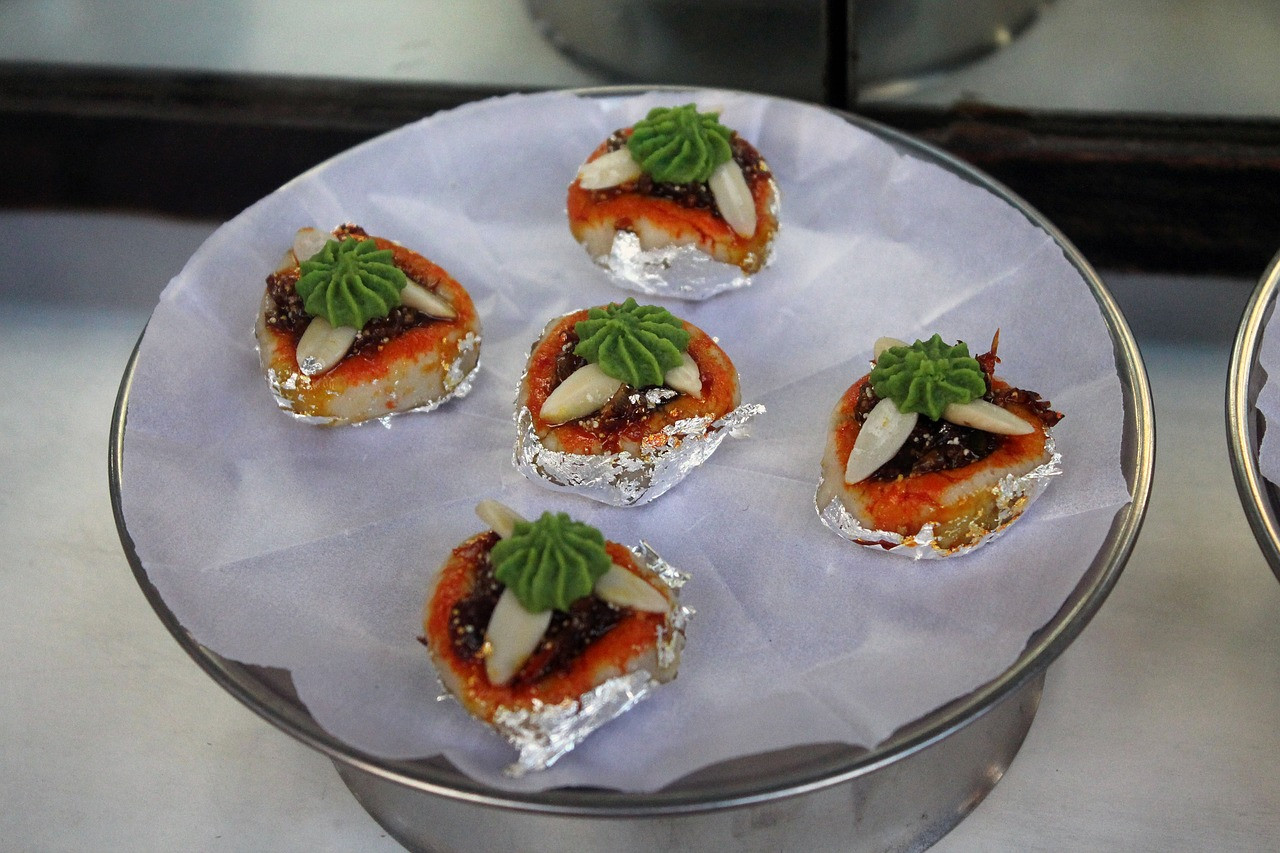
Representative image: mirkosajkov / Pixabay
Gautam Buddh Nagar officials seized 6,425 kg of food worth Rs 70.83 lakh and destroyed 1,025 kg of sweets and khoya before Diwali on 8 November 2026.
What Happened
Food safety officials in Uttar Pradesh's Gautam Buddh Nagar district, which includes Noida and Greater Noida, seized 6,425 kg of food items worth about Rs 70.83 lakh during a nearly month-long inspection drive ahead of Diwali, the district food department said in figures reported on Saturday, 7 November 2026. Officials also destroyed another 1,025 kg of perishable products, including sweets and khoya, which they found prima facie unfit to eat. The drive ran from Friday, 9 October, to Thursday, 5 November, a few days before Diwali falls on Sunday, 8 November.
Key Facts
- Food seized: 6,425 kg, worth about Rs 70.83 lakh, on suspicion of adulteration, misbranding and breaches of food safety rules.
- Food destroyed: 1,025 kg of perishable items, mainly sweets and khoya, worth about Rs 2,96,500.
- Reason given for the destruction: suspected adulteration or unhygienic conditions that made the food prima facie unfit for human consumption.
- The figures were given by Sarvesh Mishra, Assistant Commissioner (Food-II) for the district.
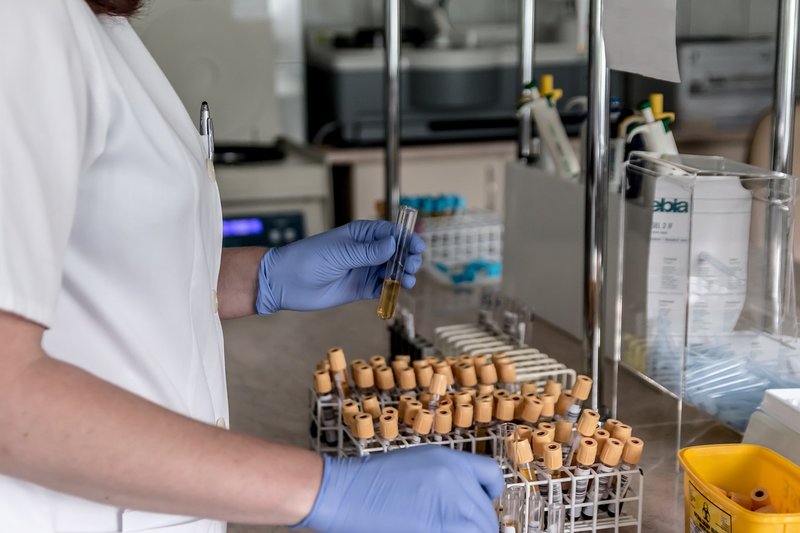
- Nearly 129 samples collected between 9 October and 5 November were sent for laboratory testing, notices went to 35 establishments and four firms had their licences suspended, according to one report on the drive.
- Food businesses were told to buy only from licensed or registered suppliers and to keep purchase bills, and the department said inspections would continue.
Why It Matters
Diwali is the peak season for khoya-based sweets, milk products and ghee in north India, and that demand is when adulteration is most tempting for unscrupulous sellers. Khoya, also called mawa, is milk slowly reduced to a dense solid, and it is the base of many traditional sweets such as peda, barfi and gujiya. Because it is made in bulk and in a hurry before the festival, it is also one of the products most often seized in pre-Diwali raids across the country.
For households, the practical meaning of such drives is about trust in what goes on the festive plate. Traditional sweets are part of the ritual of the festival, offered at Lakshmi Puja and exchanged between families. Officials' advice to traders, to buy only from licensed suppliers and keep bills, is the paper trail that lets inspectors trace a bad batch back to its source.
The drive also shows where the law stands. A seizure under food safety rules is not a finding of guilt: it holds stock until laboratory tests show whether the food meets the standards set by the Food Safety and Standards Authority of India. Only the 1,025 kg judged unfit on the spot was destroyed. The laboratory results on the samples will decide whether any of the businesses face penalties or prosecution.
Peepals calculation: The seized food was valued at about Rs 1,102 per kg on average (Rs 70,83,000 ÷ 6,425 kg ≈ Rs 1,102), while the destroyed sweets and khoya were valued at about Rs 289 per kg (Rs 2,96,500 ÷ 1,025 kg ≈ Rs 289). In all, officials took 7,450 kg out of circulation (6,425 kg seized + 1,025 kg destroyed), of which the destroyed share was about 14% (1,025 ÷ 7,450 ≈ 0.138). Our calculation from the reported figures.
| | Measure | Figure | |
|---|---|
| | Drive period | 9 October to 5 November 2026 | |
| | Food seized | 6,425 kg (about Rs 70.83 lakh) | |
| | Food destroyed | 1,025 kg (about Rs 2,96,500) | |
| | Samples sent for testing | Nearly 129 (one report) | |
| | Licences suspended | 4 (one report) | |
Impact
Short-term: Sweet shops, dairies and food makers in Noida and Greater Noida face closer checks through the festival, and suspect stock remains held while laboratory results are awaited.
Long-term: Repeated festive drives push food businesses towards licensed supply chains and proper records, which is the system the food safety law relies on to trace adulteration.
Who is affected: Residents of Noida and Greater Noida buying sweets, khoya and milk products for Diwali; local food businesses and their suppliers; and the district's food safety officers.
Key Takeaway
Ahead of Diwali on 8 November 2026, Gautam Buddh Nagar's food officials seized 6,425 kg of food worth Rs 70.83 lakh and destroyed 1,025 kg of sweets and khoya judged unfit to eat.
Questions and Answers
How much food was seized in Noida before Diwali 2026?
Food safety officials in Gautam Buddh Nagar, which includes Noida and Greater Noida, seized 6,425 kg of food worth about Rs 70.83 lakh during a drive from 9 October to 5 November 2026. They also destroyed 1,025 kg of perishable sweets and khoya.
Why was the food seized?
Assistant Commissioner (Food-II) Sarvesh Mishra said the seizures were made on suspicion of adulteration, misbranding and violations of food safety regulations. The destroyed items were found prima facie unfit for human consumption because of suspected adulteration or unhygienic conditions.
Does a seizure mean the food was proved to be adulterated?
No. Seized stock is held while samples are tested in a laboratory against national food safety standards. Penalties or prosecution depend on those test results; only the food found unfit on the spot was destroyed.
What were food businesses told to do?
The department directed food business operators to buy only from licensed or registered suppliers and to keep purchase bills, and said its inspections would continue.
Disclaimer: Prepared by the Peepals newsroom from publicly available sources with AI assistance. Information is accurate to the best of our knowledge at the time of publication and may change. Images may be representative. Not professional advice. Report an error via our contact page.
By Ishita Sen, Culture & Heritage EditorCovers Culture & Heritage and more for Peepals Sanskriti. All stories by Ishita Sen
Get the day's stories in your inbox
Peepals Weekly: the week decoded, free. One email a week, unsubscribe in one click.
Ishita Sen is a pen name of the Peepals Global Editorial Team, which researches, fact-checks and publishes every story. The portrait is an illustration.