
Ram Mandir donation theft: Supreme Court ends oversight, Ayodhya trial to proceed
 By Ishita SenCulture & Heritage Editor, Peepals Sanskriti
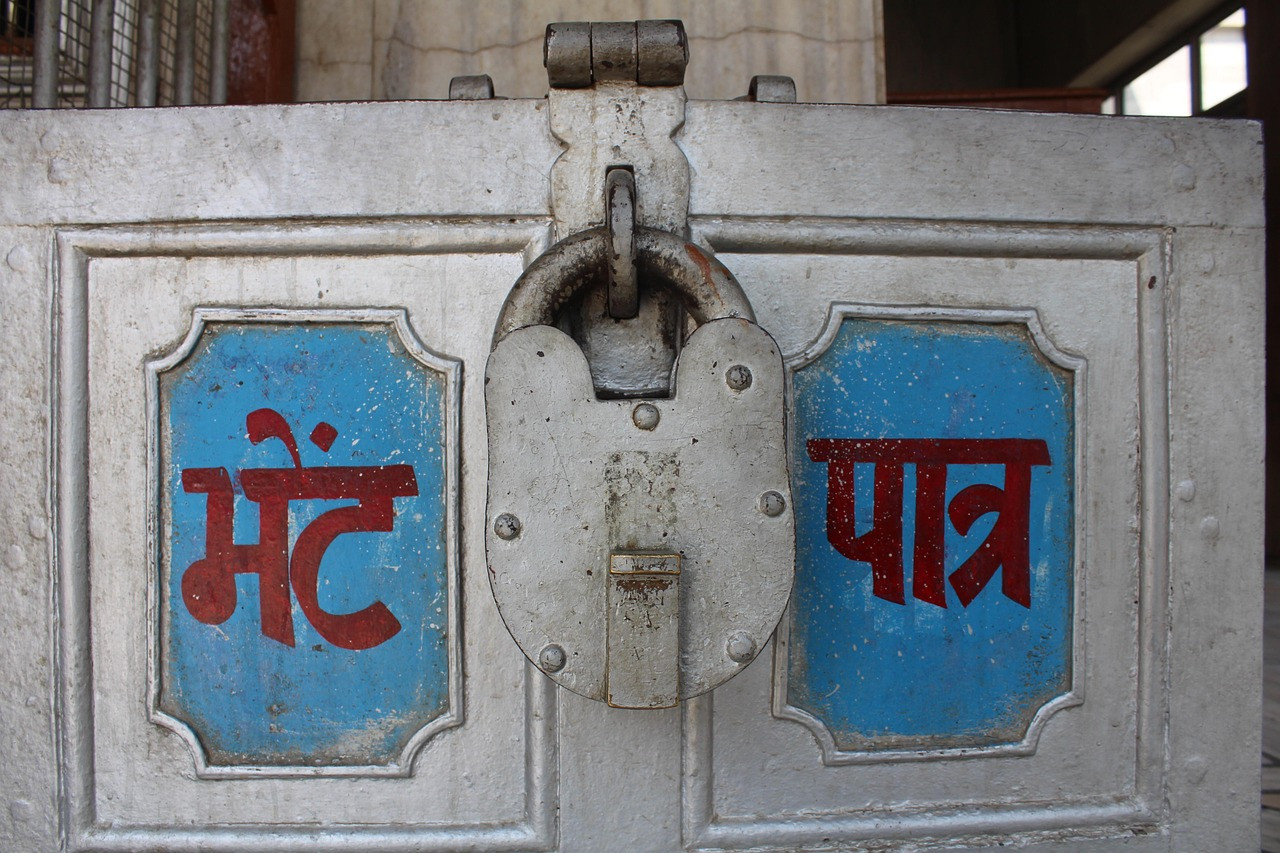
Representative image: sharmagaurav36 / Pixabay
The Supreme Court on 2 November 2026 closed pleas for a CBI probe into alleged donation theft at Ayodhya's Ram temple, after an SIT chargesheet against eight accused.
What Happened
The Supreme Court on Monday, 2 November 2026 disposed of petitions seeking a Central Bureau of Investigation (CBI) probe into the alleged theft of donations at the Ram temple in Ayodhya, after the Uttar Pradesh government reported that a Special Investigation Team (SIT) had filed a chargesheet against eight accused. A bench of Chief Justice Surya Kant and Justices Joymalya Bagchi and V Mohana said the case should now proceed before the Judicial Magistrate in Ayodhya in accordance with law, and allowed the petitioners to assist the trial court in the way the law lets victims of crime take part. The court made clear it had expressed no opinion on the merits of the case.
Key Facts
- Court: Supreme Court of India, bench of Chief Justice Surya Kant and Justices Joymalya Bagchi and V Mohana.
- Date: Monday, 2 November 2026.
- Decision: petitions seeking a CBI probe disposed of; the matter goes to the Judicial Magistrate in Ayodhya.
- Petitioners may assist the trial court, as victims of crime are allowed to do.
- The SIT filed a chargesheet against eight accused before an Ayodhya court on Wednesday, 23 September 2026, according to reports.
- The SIT report identified 105 instances of cash being removed or hidden at the donation-counting facility in the temple premises, according to reports.
- Solicitor General Tushar Mehta told the court the alleged thefts took place mainly during the counting of donations.
- The court had earlier directed that a forensic auditor be associated with the SIT investigation.
Why It Matters
Temple donations are an act of faith. When devotees put money in a donation box at a temple as important as the Ram temple in Ayodhya, they trust that it will reach the temple and be used for its purposes. An allegation that some of that money was taken during counting goes to the heart of that trust, which is why the case drew petitions all the way to the Supreme Court.
The court's order sets the path for what happens next. By closing the petitions for a CBI probe, the court accepted that the state's investigation has reached the stage of a chargesheet, and that the proper place to test the evidence is now the trial court. By allowing the petitioners to assist, it gave those who raised the issue a continuing role, rather than shutting them out of the process.
The findings reported so far also point to a practical lesson for large temples. According to the government's account, the problem was at the counting stage, not with the temple's artefacts or other property. The counting of cash offerings is a point where controls such as cameras, multiple counters and audits matter most. The earlier direction to bring a forensic auditor into the investigation reflects that concern.
It is important to remember that a chargesheet is an accusation, not a verdict. The eight accused have not been convicted, and the Supreme Court itself said it had expressed no view on the merits. The Ayodhya court will decide the case on the evidence.
Peepals timeline: Wednesday, 23 September 2026 - the SIT files a chargesheet against eight accused before an Ayodhya court, according to reports. Monday, 2 November 2026 - the Supreme Court disposes of the petitions seeking a CBI probe and sends the matter to the Judicial Magistrate, 40 days after the chargesheet (our calculation from the reported dates). Next - the trial before the Ayodhya magistrate, with the petitioners allowed to assist.
Impact
Short-term: The case moves from the Supreme Court to the trial court in Ayodhya, where the chargesheet will be examined.
Long-term: The outcome may shape how large temples handle and audit the counting of cash donations.
Who is affected: Devotees who donate at the Ram temple, the temple's management, the eight accused, the petitioners, and the Uttar Pradesh police and SIT.
What to watch next: Proceedings before the Judicial Magistrate in Ayodhya on the SIT's chargesheet.
Key Takeaway
The Supreme Court has handed the Ram Mandir donation theft case to the Ayodhya magistrate after an SIT chargesheet against eight, letting petitioners assist but giving no view on the merits.
Questions and Answers
What did the Supreme Court decide in the Ram Mandir donation theft case?
On 2 November 2026 it disposed of the petitions seeking a CBI probe and said the case should proceed before the Judicial Magistrate in Ayodhya, allowing the petitioners to assist the trial court.
How many people have been charged?
The SIT filed a chargesheet against eight accused before an Ayodhya court on 23 September 2026, according to reports. None has been convicted.
Where did the alleged theft take place?
Solicitor General Tushar Mehta told the court the alleged thefts happened mainly while donations were being counted. The SIT report identified 105 instances of cash being removed or hidden at the counting facility, according to reports.
Did the Supreme Court say the accused are guilty?
No. The court made clear it had expressed no opinion on the merits of the case; the trial court will decide on the evidence.
Disclaimer: Prepared by the Peepals newsroom from publicly available sources with AI assistance. Information is accurate to the best of our knowledge at the time of publication and may change. Images may be representative. Not professional advice. Report an error via our contact page.
By Ishita Sen, Culture & Heritage EditorCovers Culture & Heritage and more for Peepals Sanskriti. All stories by Ishita Sen
World Conference on Traditional Medicine: plant pact, AI patent report released
Dhanteras: Ayush Minister Jadhav asks families to adopt one health habit
Get the day's stories in your inbox
Peepals Weekly: the week decoded, free. One email a week, unsubscribe in one click.
Ishita Sen is a pen name of the Peepals Global Editorial Team, which researches, fact-checks and publishes every story. The portrait is an illustration.