Navratri 6th day: who Katyayani is, and why the old texts tell her story differently
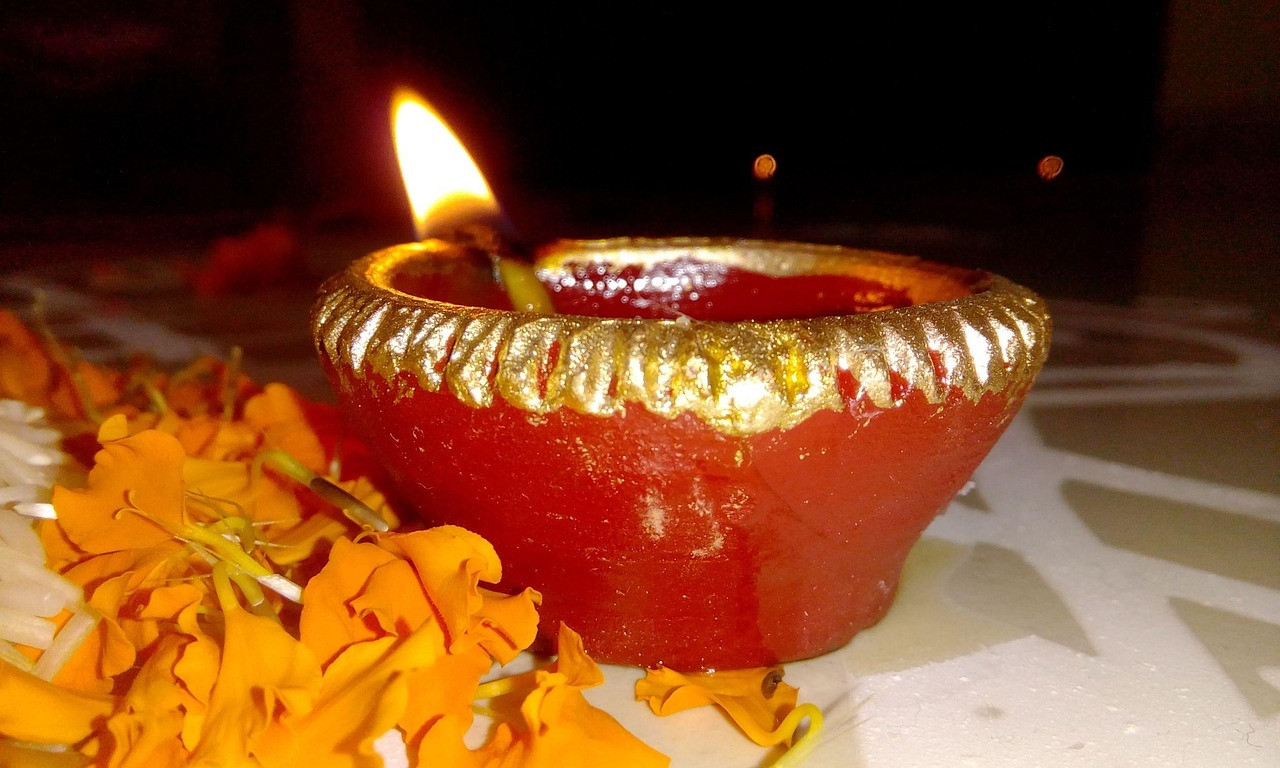
Representative image: rsbunty65 / Pixabay
Navratri's 6th day, Friday October 16, 2026, honours Katyayani. The Vamana, Kalika and Bhagavata Puranas each explain her name and role in a different way.
What Happened
The sixth day of Shardiya Navratri falls on Friday, October 16, 2026, the Shashthi tithi of the festival that began on October 11. The navratri 6th day is given to Katyayani, the sixth of the nine forms of Durga known as the Navadurga, and households and temples mark it with her puja, a mantra recitation and offerings. The goddess is one of the most widely worshipped figures of the season, yet the old texts do not agree on where her name comes from or how she appeared, and that disagreement is itself a useful window into how India's sacred literature grew.
Key Facts
- Navratri's sixth day, the Shashthi tithi, falls on Friday, October 16, 2026.
- The day is dedicated to Katyayani, the sixth form in the Navadurga sequence of nine goddesses.
- She is venerated as the goddess who killed the buffalo demon Mahisha (Mahishasura).
- The Vamana Purana describes her taking shape from the combined energy of the gods at the hermitage of the sage Katyayana.
- The Kalika Purana gives a different account: the sage worshipped the goddess so that she would be born as his daughter, and she took his name.
- The Bhagavata Purana describes the gopis of Vrindavan keeping a vow to Katyayani on the banks of the Yamuna.
- Popular puja guides list honey as her traditional offering and the chant "Om Devi Katyayanyai Namah" for recitation.
Why It Matters
For most families the sixth day is a matter of ritual rather than research: a lamp, flowers, fruit, a sweet and the mantra repeated, often 108 times. But the figure at the centre of the day has a long textual history, and reading that history carefully shows how Indian traditions held several versions of one story side by side instead of insisting on one.
The Vamana Purana tells the story as a crisis. The gods, unable to stop Mahishasura, gathered to discuss his violence, and their anger took the form of rays of energy. Those rays came together in the hermitage of the sage Katyayana, who gave the energy its form, and the goddess who emerged carried his name. The Skanda Purana, as summarised in reference works, describes her in similar terms: born of the spontaneous anger of the gods, she rode a lion and killed Mahisha. The Kalika Purana turns the relationship around. In its version Katyayana worshipped the Mother Goddess so that she would be born as his daughter, and that is why she is called Katyayani. Other traditions say simply that he was the first to worship her.
A third strand comes from the Bhagavata Purana, which has a very different mood. There the young women of Vrindavan keep a vow to Katyayani on the Yamuna's banks, praying for Krishna as their beloved. That episode is the root of a belief, still common today, that unmarried women who pray to Katyayani will find a good partner. Her battle with Mahisha, meanwhile, is told at length in the Devi Mahatmya, the text in praise of the goddess that forms part of the Markandeya Purana.
| Source | What it says about Katyayani |
|---|---|
| Vamana Purana | She forms from the gods' combined energy at Katyayana's hermitage |
| Kalika Purana | Katyayana worshipped the goddess to be born as his daughter |
| Skanda Purana | Born of the gods' anger, she rides a lion and slays Mahisha |
| Bhagavata Purana | The gopis of Vrindavan keep a vow to her by the Yamuna |
Impact
Short-term: Devotees keeping the nine-day fast will perform Katyayani puja on Friday before the festival moves on to Ashtami and Navami, which this year fall across October 18 and 19 because of how the tithis overlap. Vijayadashami follows on October 20. In Bengal, where the same days are celebrated as Durga Puja, almanacs differ on whether Maha Shashthi and the Bodhon ritual fall on October 16 or 17, so local puja committees' schedules are the safest guide.
Long-term: The many versions of Katyayani's story are a reminder that the Puranas were composed and retold over centuries in different regions. Reading the versions side by side, rather than picking one, lets students of Indian Knowledge Systems see how a single figure gathered meanings over time, from warrior goddess to the deity of a young women's vow.
Who is affected: Families observing Shardiya Navratri, temple priests and puja committees, and students and teachers of Indian philosophy and religious texts.
Key Takeaway
Navratri's sixth day on October 16, 2026 honours Katyayani, a goddess whose name and origin are explained differently in the Vamana, Kalika, Skanda and Bhagavata Puranas.
Questions and Answers
Which goddess is worshipped on the navratri 6th day in 2026?
Katyayani, the sixth of the nine Navadurga forms of Durga. The sixth day of Shardiya Navratri falls on Friday, October 16, 2026.
Why is she called Katyayani?
The name links her to the sage Katyayana, but the texts explain it differently. The Vamana Purana says she took shape in his hermitage from the gods' combined energy; the Kalika Purana says he worshipped the goddess so that she would be born as his daughter.
Why do unmarried women pray to Katyayani?
The belief comes from the Bhagavata Purana, which describes the gopis of Vrindavan keeping a vow to Katyayani on the banks of the Yamuna and praying for Krishna as their beloved.
What is offered to Katyayani on the sixth day?
Popular puja guides list flowers, fruit and sweets, with honey as her traditional offering, along with the chant "Om Devi Katyayanyai Namah", often repeated 108 times, followed by aarti.
Disclaimer: Prepared by the Peepals newsroom from publicly available sources with AI assistance. Information is accurate to the best of our knowledge at the time of publication and may change. Images may be representative. Not professional advice. Report an error via our contact page.
Sourced and fact-checked by the Peepals Global Editorial Team
Online yoga eased cough in lung fibrosis patients, YES-IPF trial finds
World Spine Day 2026: move every 30-45 minutes, eat ragi and curd, doctors say
Reported, fact-checked and published by the Peepals Global Editorial Team.