Varanasi to host sixth Sanskriti Sansad on knowledge traditions, Nov 3-5
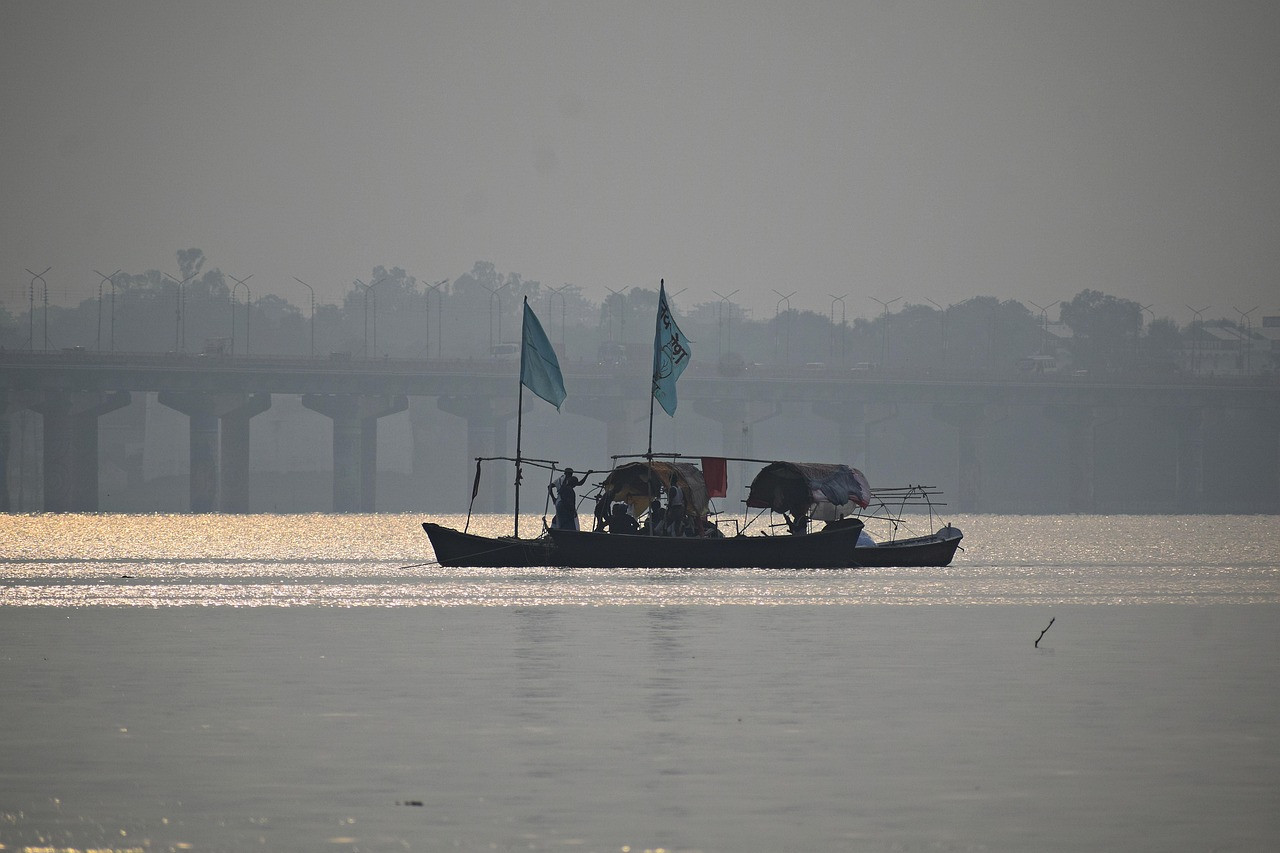
Representative image: balouriarajesh / Pixabay
Varanasi will host the sixth Sanskriti Sansad on 3-5 November 2026, with about 3,000 saints and a youth-led Gen Z conclave on India's knowledge traditions.
What Happened
Varanasi will host the sixth Sanskriti Sansad from 3 to 5 November 2026, a three-day gathering meant to start a national conversation on Indian culture, knowledge traditions and social values, and on how these connect with the country's younger generation. Details of the programme were announced on Sunday, 11 October 2026. The event is being organised by the Ganga Mahasabha under the guidance of the All India Sant Samiti, the Akhil Bharatiya Akhara Parishad and the Shri Kashi Vidvat Parishad, and will be held at the Rudraksh International Cooperation and Convention Centre in Varanasi. The organisers expect about 3,000 saints from across the country to attend, alongside scholars, scientists and subject experts.
Key Facts
- The sixth edition of Sanskriti Sansad runs from 3 to 5 November 2026 in Varanasi.
- The venue is the Rudraksh International Cooperation and Convention Centre.
- The Ganga Mahasabha is the organiser, guided by the All India Sant Samiti, the Akhil Bharatiya Akhara Parishad and the Shri Kashi Vidvat Parishad.
- Around 3,000 saints are expected, with scholars, scientists and experts presenting in the main sessions.
- A parallel Gen Z conclave is planned in which roughly 90 per cent of speakers will be young people and about 10 per cent experts.
- The programme also includes a Sanskriti Utsav cultural festival in the evenings, art and photography exhibitions and a rangoli competition.
Why It Matters
Debates about India's knowledge traditions usually happen in two separate rooms. One is the academic world of universities, research centres and government programmes on Indian Knowledge Systems, where texts are edited, digitised and studied. The other is the world of religious institutions and traditional scholars, who carry much of that knowledge as living practice. Sanskriti Sansad brings the second group to the centre, while inviting scientists and experts into the same hall. That makes it a useful marker of how traditional custodians of knowledge want to present their heritage to a wider public.
The choice of partners is telling. The Shri Kashi Vidvat Parishad is a long-standing assembly of Vedic and scriptural scholars in Varanasi, often consulted on questions of Hindu philosophy and ritual. The Ganga Mahasabha, founded in 1905 by Madan Mohan Malaviya, is best known for its work on the Ganga. Their involvement places the event firmly within Varanasi's role as a historic centre of Sanskrit learning and textual scholarship.
The most notable new element is the Gen Z conclave. According to the organisers, young participants will speak through talks, data-driven presentations, panel discussions and question-and-answer sessions, with experts making up only a small share of the speakers. This responds to a common criticism of heritage events: that they speak to young people rather than with them. Whether the conclave produces fresh thinking will depend on how freely participants can question as well as celebrate tradition.
For readers interested in ancient Indian knowledge, the useful test will be what the event produces. Gatherings of this kind are at their best when they lead to concrete outcomes, such as support for teaching traditional texts, collaboration with universities, or projects to record oral knowledge before it is lost. A large assembly by itself does not advance scholarship, but it can set priorities and build public interest.
| Session | Timing and format |
|---|---|
| Main Sansad | 10 am to 4 pm in the main auditorium; saints, scholars, scientists and experts |
| Gen Z conclave | Parallel sessions; about 90 per cent youth speakers, 10 per cent experts |
| Sanskriti Utsav | 5 pm to 9 pm; cultural performances |
| Exhibitions and competitions | Art and photography exhibitions, rangoli competition |
Impact
Short-term: Varanasi will see a large influx of religious leaders, scholars and young delegates in early November, and students interested in Indian knowledge traditions have a chance to take part in the youth conclave.
Long-term: If the discussions lead to follow-up work with universities and research bodies, the event could help link traditional scholars with formal Indian Knowledge Systems programmes. If not, it will remain mainly a cultural gathering.
Who is affected: Saints and traditional scholars, Sanskrit and Indian Knowledge Systems students and researchers, young people taking part in the Gen Z conclave, and Varanasi's hospitality and cultural sectors.
Key Takeaway
The sixth Sanskriti Sansad, set for 3 to 5 November 2026 in Varanasi, will put about 3,000 saints, scholars and a youth-led conclave in one forum to debate how India's knowledge traditions speak to a new generation.
Questions and Answers
When and where is Sanskriti Sansad 2026 being held?
It will take place from 3 to 5 November 2026 at the Rudraksh International Cooperation and Convention Centre in Varanasi, Uttar Pradesh.
Who is organising Sanskriti Sansad 2026?
The Ganga Mahasabha is organising it, under the guidance of the All India Sant Samiti, the Akhil Bharatiya Akhara Parishad and the Shri Kashi Vidvat Parishad.
What is the Gen Z conclave at Sanskriti Sansad?
It is a parallel forum where young people present their views on culture and tradition through talks, data-based presentations and panels. About 90 per cent of its speakers will be young, and about 10 per cent will be experts.
How is this event connected to Indian Knowledge Systems?
Its stated purpose is to debate Indian culture and knowledge traditions and their relevance today, bringing traditional scholars, including Varanasi's assembly of Vedic scholars, together with scientists and young participants.
Disclaimer: Prepared by the Peepals newsroom from publicly available sources with AI assistance. Information is accurate to the best of our knowledge at the time of publication and may change. Images may be representative. Not professional advice. Report an error via our contact page.
Sourced and fact-checked by the Peepals Global Editorial Team
Hyderabad's 81-foot Durga made of grass and mud draws thousands this Navratri
Vietnam approves traditional medicine plan: hospital in every province by 2030
Reported, fact-checked and published by the Peepals Global Editorial Team.