
UP digitises 15,890 manuscripts, 7.56 lakh pages under Gyan Bharatam Mission

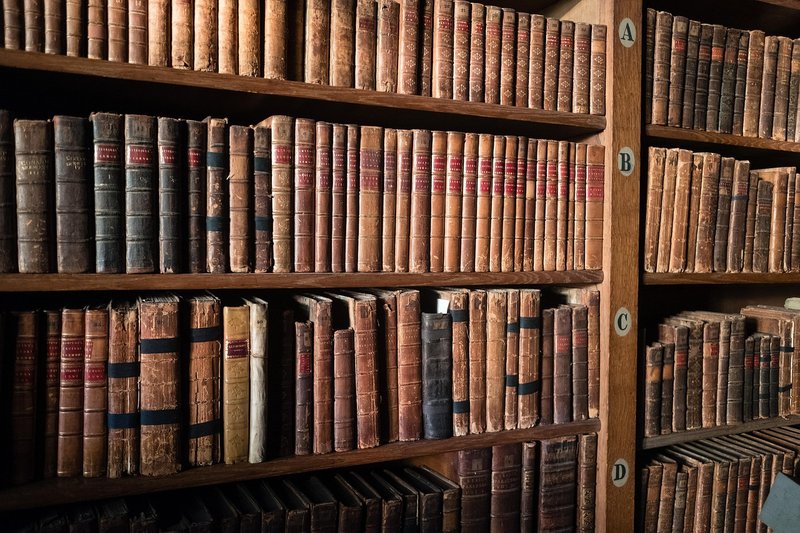
Representative image: StockSnap / Pixabay
Uttar Pradesh has scanned 7,56,392 pages from 15,890 manuscripts at six institutions under the Gyan Bharatam Mission, the state said on 13 October 2026.
What Happened
Uttar Pradesh has scanned 7,56,392 pages from 15,890 old manuscripts held at six of the state's historic institutions under the Centre's Gyan Bharatam Mission, the state government said in a statement reported on 13 October 2026. The figures cover work completed up to September 2026. The institutions include Gita Press in Gorakhpur, Nagari Pracharini Sabha, Hindi Sahitya Sammelan, the Government Manuscript Library, Sampurnanand Sanskrit University in Varanasi and the Vrindavan Research Institute in Mathura.
Key Facts
- 15,890 manuscripts and 7,56,392 pages had been scanned in Uttar Pradesh as of September 2026, according to the state government.
- Metadata, the catalogue details that make a manuscript searchable, has been prepared for 14,594 manuscripts.
- 14,208 records have been uploaded digitally.
- Nagari Pracharini Sabha accounts for the most manuscripts scanned, at 6,720.
- The Vrindavan Research Institute has the most pages scanned, at 1,93,256, followed by the Government Manuscript Library at 1,52,519 pages.
- Sampurnanand Sanskrit University has contributed 1,192 manuscripts.
- The work is part of the Gyan Bharatam Mission, the Union government's programme to survey, preserve and digitise India's manuscript heritage.
Why It Matters
India holds one of the world's largest collections of handwritten manuscripts, on palm leaf, birch bark and paper, covering philosophy, grammar, mathematics, astronomy, medicine, literature and religious texts. Many of them sit in temple libraries, family collections and old institutions where heat, humidity, insects and handling slowly destroy them. Once a fragile manuscript crumbles, the knowledge in it can be lost for good if no copy exists.
Digitisation does two things at once. It creates a lasting image of each page, so that the original can be stored safely and handled less. And, once the catalogue details are added and the records are uploaded, it makes texts that were once open to a handful of visitors available to researchers, students and translators anywhere. The gap in Uttar Pradesh's numbers is telling: almost all scanned manuscripts now have metadata, and most have been uploaded, which suggests the state is moving beyond scanning to making the material usable.
The six institutions are not ordinary archives. Sampurnanand Sanskrit University in Varanasi is one of the oldest centres of Sanskrit learning in the country. Nagari Pracharini Sabha and Hindi Sahitya Sammelan played central roles in the growth of modern Hindi. The Vrindavan Research Institute holds collections linked to the Braj region's devotional and literary traditions, and Gita Press is known for printing religious texts at low cost for generations of readers. Bringing their holdings online gives scholars of Sanskrit, Hindi and regional traditions a far larger base of primary sources.
The real test will come next. Scanned images are only the first step: scholars still have to read, edit, translate and publish what the manuscripts contain. Many texts have never been critically edited, and some may not have been read at all in the modern era.
Impact
Short-term: Researchers and students should find more Uttar Pradesh manuscripts catalogued and accessible in digital form as uploads continue.
Long-term: A searchable digital record protects rare texts against loss and could lead to new editions and translations of works that are now out of reach.
Who is affected: Scholars of Sanskrit, Hindi and Indian philosophy and science, university students, libraries and archives, and the institutions that hold the manuscripts.
Key Takeaway
Uttar Pradesh has digitised more than 7.5 lakh pages from nearly 16,000 manuscripts at six historic institutions, and most of them are now catalogued and uploaded under the Gyan Bharatam Mission.
Questions and Answers
How many manuscripts has Uttar Pradesh digitised under the Gyan Bharatam Mission?
According to the state government, 15,890 manuscripts, amounting to 7,56,392 pages, had been scanned as of September 2026.
Which institutions are taking part?
Gita Press in Gorakhpur, Nagari Pracharini Sabha, Hindi Sahitya Sammelan, the Government Manuscript Library, Sampurnanand Sanskrit University in Varanasi and the Vrindavan Research Institute in Mathura.
What is the Gyan Bharatam Mission?
It is the Union government's programme to find, preserve and digitise India's manuscripts so that they are protected from decay and can be studied more widely.
Does digitising a manuscript mean its contents are now understood?
No. Scanning preserves an image of the pages and makes them easier to access, but scholars still need to read, edit and translate the texts before their knowledge is widely available.
Disclaimer: Prepared by the Peepals newsroom from publicly available sources with AI assistance. Information is accurate to the best of our knowledge at the time of publication and may change. Images may be representative. Not professional advice. Report an error via our contact page.
Sourced and fact-checked by the Peepals Global Editorial Team
Older vegetarians gain strength from weight training, but less muscle: Dutch trial
Ayodhya Ram temple gets FSSAI 'Eat Right Place of Worship' tag for prasad
Reported, fact-checked and published by the Peepals Global Editorial Team.