X-rays read how palm-leaf manuscripts were made, without cutting a sample
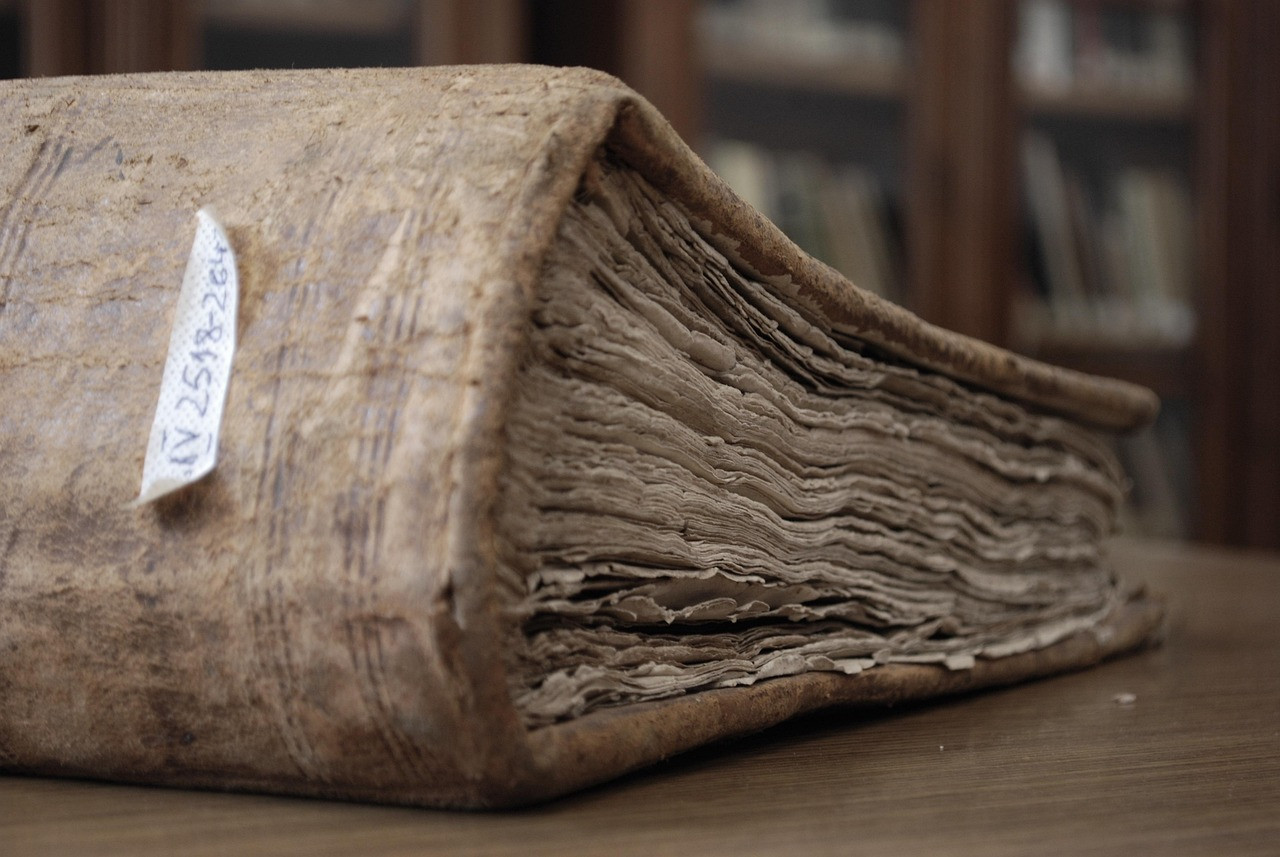
Representative image: kropekk_pl / Pixabay
A Hamburg-led study, announced Oct 15, 2026, used synchrotron X-rays and machine learning on 85 palm-leaf manuscripts to identify palm type and preparation non-destructively.
What Happened
Scientists in Germany have used powerful synchrotron X-rays and machine learning to read the physical history of palm-leaf manuscripts from South and Southeast Asia without cutting a single sample from them, according to a study published in the journal npj Heritage Science and announced by the University of Hamburg's Centre for the Study of Manuscript Cultures (CSMC) on October 15, 2026. The team, led by Laura Gallardo, examined 160 material entries, 85 of them manuscripts and 75 modern reference materials, at the P62 experimental station of the PETRA III X-ray source at DESY in Hamburg and at the European Synchrotron Radiation Facility (ESRF) in Grenoble, France. They found that the two palm genera used for writing could be told apart from their material traits, and that the way leaves were processed left a measurable signature. The origin of a manuscript was harder to pin down: samples from Sri Lanka and southern India looked alike, while Thai samples stood apart.
Key Facts
- Published in npj Heritage Science; announced by the University of Hamburg's CSMC on October 15, 2026.
- 160 material entries were studied: 85 manuscripts and 75 modern reference materials.
- Measurements were made at DESY's PETRA III (station P62) in Hamburg and at the ESRF in Grenoble.
- Three X-ray methods were combined: small-angle scattering for the fibre network, wide-angle scattering for crystalline cellulose and other material, and X-ray fluorescence to map chemical elements.
- Machine learning analysed the three data sets together.
- The two palm genera could be distinguished, and each responded differently to manufacturing practices.
- Sri Lankan and southern Indian manuscripts looked materially similar; Thai samples were more distinct. Reliable geographic attribution is not yet possible.
Why It Matters
Prepared palm leaves carried a large share of the written texts of South and Southeast Asia, and the problem the study addresses is that a manuscript often does not say where or how it was made. Knowing which palm a leaf came from and how it was prepared can help scholars place an undated text in a region or a workshop, and can tell conservators how to care for it.
The difficulty has always been that the leaves are fragile. Older methods of analysis often needed a small piece to be cut away. The Hamburg approach avoids that. According to the researchers, the value of the method is that it gives detailed structural and chemical information without taking any sample, and that combining several techniques lets scientists read several layers of a manuscript's history in one experiment.
The results are a careful first step rather than a final answer. Co-author Patrick Huber cautioned that the material data alone cannot yet establish where a manuscript came from with certainty. The similarity between Sri Lankan and southern Indian leaves is itself telling: it fits the long, shared manuscript culture across the region, but it means that the method cannot yet separate the two.
For Indian readers, the study connects to work at home. India is in the middle of a national effort, the Gyan Bharatam Mission, to survey and digitise its manuscripts, and palm-leaf collections are part of that work. Digitisation preserves what is written; studies like this one aim to recover what the object itself can say about its making, which a scan cannot capture. The Hamburg centre has also run a palm-leaf manuscript profiling project with work in Pondicherry.
| Study detail | Finding |
|---|---|
| Samples | 160 entries: 85 manuscripts, 75 references |
| Facilities | DESY PETRA III (P62), Hamburg; ESRF, Grenoble |
| Palm type | Two genera told apart reliably |
| Processing | Leaves a measurable signature |
| Origin | Sri Lanka and south India similar; Thailand distinct |
Impact
Short-term: Conservators and manuscript libraries gain a tested, non-destructive way to identify the palm used and to detect how leaves were treated, which can guide storage and repair.
Long-term: With larger reference collections, the method could help date and place undated manuscripts, adding physical evidence to what scholars learn from script and language.
Who is affected: Manuscript libraries and archives in India, Sri Lanka and Southeast Asia, scholars of Sanskrit, Tamil, Pali and other manuscript traditions, conservation scientists, and digitisation projects.
Key Takeaway
A Hamburg study shows that X-rays and machine learning can identify the palm and the preparation behind a palm-leaf manuscript without harming it, though they cannot yet tell exactly where it was made.
Questions and Answers
What did the palm-leaf manuscript X-ray study find?
It found that the two palm genera used for manuscripts can be told apart from their material traits and that leaf processing leaves a measurable signature. Sri Lankan and southern Indian leaves looked similar, while Thai leaves were more distinct.
Does the method damage the manuscripts?
No. The method is non-destructive, so no sample has to be cut from the manuscript. It combines three synchrotron X-ray techniques with machine learning.
Where was the palm-leaf research done?
Measurements were made at the PETRA III X-ray source at DESY in Hamburg and at the European Synchrotron Radiation Facility in Grenoble. The work is led from the University of Hamburg's Centre for the Study of Manuscript Cultures.
Can the method tell where a manuscript was made?
Not yet with certainty. The researchers say material data alone cannot reliably establish geographic origin, though they saw regional differences.
Disclaimer: Prepared by the Peepals newsroom from publicly available sources with AI assistance. Information is accurate to the best of our knowledge at the time of publication and may change. Images may be representative. Not professional advice. Report an error via our contact page.
Sourced and fact-checked by the Peepals Global Editorial Team
Reported, fact-checked and published by the Peepals Global Editorial Team.