Ultra-processed food linked to silent brain injury on MRI in study of 8,700 adults
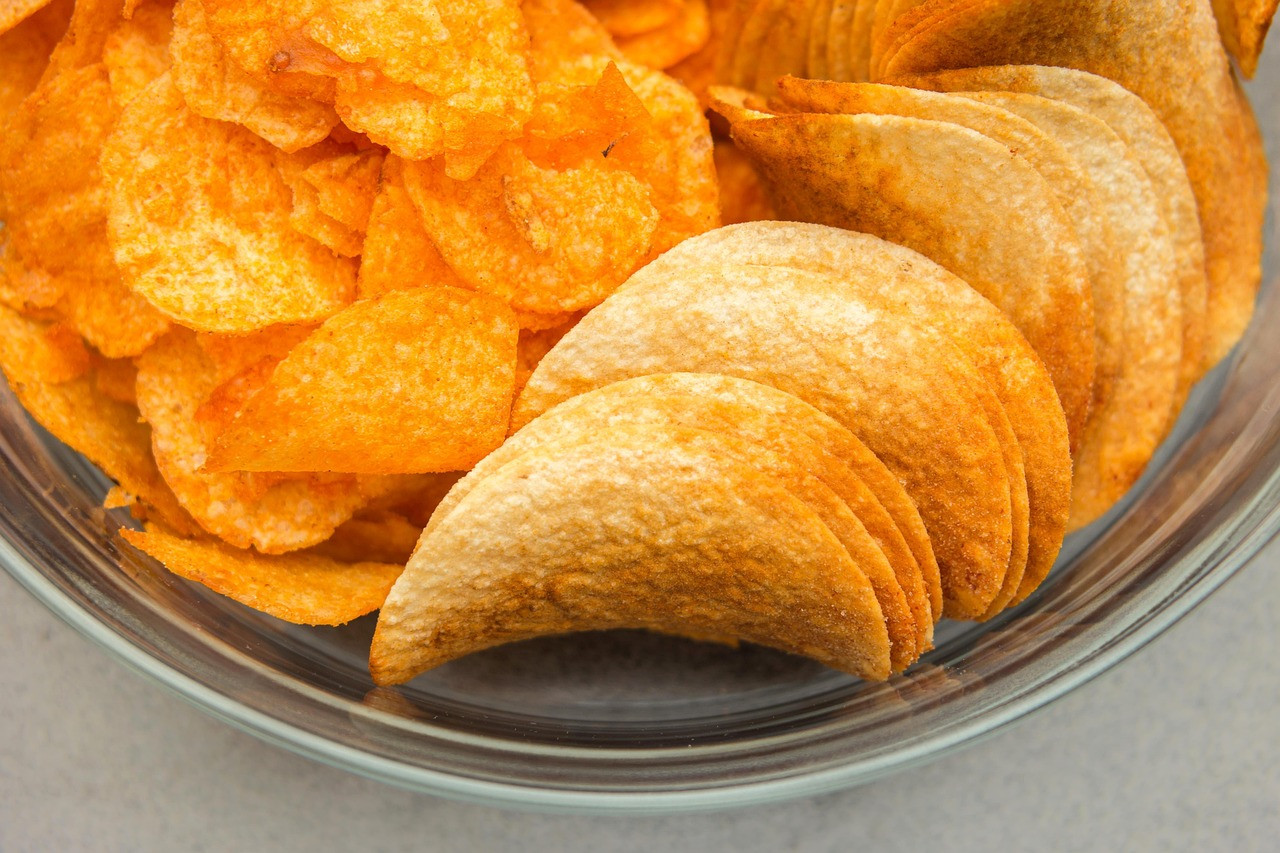
Representative image: Didgeman / Pixabay
Adults eating the most ultra-processed food had about 40% higher odds of silent brain lesions on MRI, a McMaster study in JAMA Network Open said on October 15, 2026.
What Happened
Middle-aged adults who ate the most ultra-processed food were about 40 per cent more likely to show signs of silent injury to the brain's blood vessels on MRI scans than those who ate the least, according to a study published in JAMA Network Open on Thursday, October 15, 2026. The research, led by McMaster University's Population Health Research Institute in Canada, looked at more than 8,700 Canadian adults aged 35 to 69 who had no history of heart disease. Brain injury of this kind showed up in about 8 per cent of people in the lowest intake group and in more than 11 per cent of those in the highest. The link was stronger in women.
Key Facts
- The study was published in JAMA Network Open on October 15, 2026, and led by researchers at McMaster University's Population Health Research Institute.
- It included more than 8,700 Canadian adults aged 35 to 69 with no history of heart disease.
- The highest ultra-processed food intake was associated with about 40 per cent greater odds of vascular brain injury on MRI compared with the lowest intake.
- About 8 per cent of the lowest intake group had such injury, against more than 11 per cent of the highest intake group.
- The association was stronger in women than in men.
- Scores on memory and thinking tests differed very little between the groups.
- The study looked at one point in time, so it cannot show that ultra-processed food causes the brain changes.
Why It Matters
The brain changes measured in this study were found on MRI scans in people who had no history of heart disease and who did not show clear problems on memory and thinking tests. Media coverage has called them silent strokes because they were not noticed by the people who had them. Finding a link with everyday diet in people who are still in middle age is an early signal, well before any symptoms might appear.
Coverage of the study cited chips, cereals and frozen meals as examples of ultra-processed food. The paper also looked at body fat alongside brain injury and cognition. Research on such foods does not all point one way. A separate large study released in the same week, for example, found no overall link between ultra-processed food and bowel cancer, but did find that the type of food mattered.
For readers who follow traditional Indian eating patterns built on home-cooked meals, the study offers one more reason to keep packaged foods as the exception. It does not test any particular diet, and it does not prove that cutting ultra-processed food will prevent brain injury. What it does suggest is that the amount of such food in a person's diet is worth paying attention to well before old age.
| Intake group | Share with vascular brain injury on MRI |
|---|---|
| Lowest ultra-processed food intake | About 8% |
| Highest ultra-processed food intake | More than 11% |
| Difference in odds | About 40% higher in the highest group |
Impact
Short-term: The study gives doctors and dietitians another reason to ask middle-aged patients about packaged and ready-to-eat food, For individuals, reading labels and cooking more meals from whole ingredients are simple steps.
Long-term: Researchers will need studies that follow people over time, and trials that change diets, to show whether reducing ultra-processed food actually lowers the risk of brain injury, stroke and dementia. If such studies confirm the link, it could shape food labelling and public health advice.
Who is affected: Adults in midlife, particularly women, in whom the association was stronger; families who rely heavily on packaged foods; doctors and nutritionists advising on brain and heart health; and food makers and regulators.
Key Takeaway
A Canadian study of more than 8,700 adults links the highest intake of ultra-processed food to about 40 per cent higher odds of silent brain injury on MRI, but it shows an association, not proof of cause.
Questions and Answers
What did the ultra-processed food and brain study find?
Published in JAMA Network Open on October 15, 2026, it found that adults with the highest ultra-processed food intake had about 40 per cent greater odds of silent vascular brain injury on MRI than those with the lowest intake.
What is a silent brain injury or silent stroke?
It is small damage to brain tissue, usually linked to tiny blood vessels, that does not cause noticeable symptoms when it happens but can be seen on brain scans. The study's own term is vascular brain injury.
Does this prove ultra-processed food damages the brain?
No. The researchers measured diet and brain scans at one point in time, so the study shows an association. It cannot prove cause, or show that eating less ultra-processed food would prevent the changes.
Were memory and thinking affected?
Test scores for memory and thinking differed very little between the groups, even though the brain scans showed more injury among people who ate the most ultra-processed food.
Disclaimer: Prepared by the Peepals newsroom from publicly available sources with AI assistance. Information is accurate to the best of our knowledge at the time of publication and may change. Images may be representative. Not professional advice. Report an error via our contact page.
Sourced and fact-checked by the Peepals Global Editorial Team
Ayush patent filings rise eightfold in a decade: 4,077 applications, 711 granted
Tridhara Durga Puja turns 80 with 'Sur-Asur' theme and giant dragons at its gate
Reported, fact-checked and published by the Peepals Global Editorial Team.