Ultra-processed food overall not tied to colon cancer in 461,000-person study; meat is
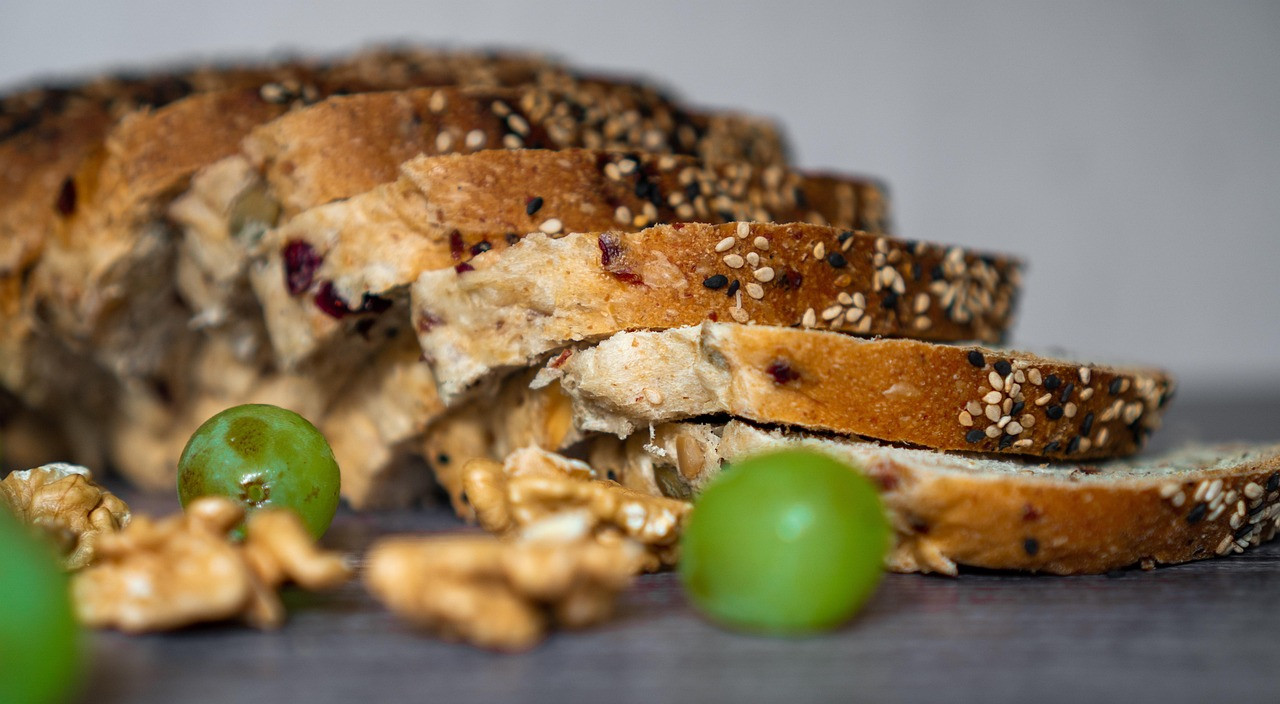
Representative image: hectortuestar / Pixabay
A US National Cancer Institute study published October 15, 2026 found total ultra-processed food intake was not linked to colorectal cancer, but processed meat was.
What Happened
Ultra processed food as a whole was not linked to a higher risk of colorectal cancer in one of the largest studies of its kind, researchers at the US National Cancer Institute (NCI) reported in the journal PLOS Medicine on Thursday, October 15, 2026. The study followed 461,682 adults in the NIH-AARP Diet and Health Study for a median of 18.8 years. What mattered, the researchers found, was what kind of processed food people ate: meat from ultra-processed sources was associated with a higher incidence of colorectal cancer, while whole grains, fibre, dairy and calcium from processed sources went with a lower incidence.
Key Facts
- Journal and date: PLOS Medicine, published October 15, 2026.
- Researchers: scientists at the US National Cancer Institute, part of the National Institutes of Health.
- Participants: 461,682 adults in the NIH-AARP Diet and Health Study, followed for a median of 18.8 years.
- Main result: total ultra-processed food intake was not associated with colorectal cancer; comparing the highest and lowest fifth of intake, the hazard ratio was 0.97, with a 95% confidence interval of 0.91 to 1.03.
- Higher risk: meat from ultra-processed sources, such as processed meats, was associated with higher colorectal cancer incidence.
- Lower risk: whole grains, fibre, dairy and calcium from ultra-processed sources were associated with lower incidence.
- Limits: the study is observational, most participants were older white Americans, and diet was measured only once.
Why It Matters
"Ultra-processed" has become one of the most feared labels in nutrition. The term covers industrially made foods such as packaged snacks, sugary drinks, ready meals and processed meats, and many studies have linked high intake to obesity, heart disease and early death. Earlier research on colorectal cancer, however, has been mixed: some long-term studies found a higher risk with more ultra-processed food, and others did not.
This study's size and long follow-up give it weight in that debate, and its message is more nuanced than a blanket warning. It suggests that the label alone may be too blunt a tool for judging cancer risk. A packaged whole-grain bread and a processed sausage are both ultra-processed, yet they appear to point in opposite directions for the colon. The finding on processed meat is consistent with long-standing evidence that red and processed meat raise colorectal cancer risk, while the protective signal for fibre, whole grains and dairy fits what is already known about these foods.
For readers who follow traditional Indian eating patterns, the result is a useful reminder of what older food wisdom already emphasised: whole grains, pulses, fibre-rich vegetables and dairy are protective, and heavily processed meats are best kept occasional. It also cautions against treating every packaged item as equally harmful. The researchers noted that replacing some ultra-processed foods with minimally processed ones could still lower cancer risk, so the case for cooking fresh, simple food remains strong.
The study's limits matter too. Most participants were older white Americans, whose diets differ from those in India. Diet was measured with a single questionnaire, which cannot capture how eating habits change over nearly two decades. And because the study is observational, it shows associations rather than proof that any food causes or prevents cancer.
| Ultra-processed food and colorectal cancer | What the study found |
|---|---|
| Total ultra-processed food | No overall link (hazard ratio 0.97) |
| Processed meat sources | Higher incidence |
| Whole grains and fibre from processed sources | Lower incidence |
| Dairy and calcium from processed sources | Lower incidence |
| Study size and follow-up | 461,682 adults, median 18.8 years |
Impact
Short-term: The study is likely to feed the public debate on how ultra-processed foods should be labelled and regulated, with some arguing that rules should target specific ingredients and food groups rather than processing alone.
Long-term: More research in younger and more diverse populations, including in Asia, will be needed to test whether the same patterns hold. For now, the practical advice from this and earlier work points the same way: limit processed meat, and favour fibre, whole grains and dairy.
Who is affected: Anyone trying to lower their risk of colorectal cancer, people with a family history of the disease, food companies and regulators, dietitians, and health-conscious families deciding what to buy and cook.
Key Takeaway
A 461,682-person study found ultra processed food overall was not linked to colorectal cancer, but processed meat raised risk and whole grains, fibre and dairy lowered it, so what you eat matters more than the label.
Questions and Answers
Does ultra processed food cause colorectal cancer?
In a National Cancer Institute study of 461,682 adults published on October 15, 2026, total ultra-processed food intake was not associated with colorectal cancer. However, meat from ultra-processed sources was linked to a higher incidence, so the type of food matters.
Which processed foods were linked to lower colorectal cancer risk?
Whole grains, fibre, dairy and calcium from ultra-processed sources, such as packaged whole-grain bread or dairy products, were associated with a lower incidence of colorectal cancer in the study.
Does this mean ultra-processed food is safe to eat freely?
No. The study looked only at colorectal cancer, and other research links high ultra-processed food intake to problems such as obesity and heart disease. The researchers also said replacing some ultra-processed food with minimally processed food could lower cancer risk.
How reliable is the study?
It is large and followed people for a median of 18.8 years, but it is observational, measured diet only once and mostly involved older white Americans, so its findings show associations rather than cause and may not apply to every population.
Disclaimer: Prepared by the Peepals newsroom from publicly available sources with AI assistance. Information is accurate to the best of our knowledge at the time of publication and may change. Images may be representative. Not professional advice. Report an error via our contact page.
Sourced and fact-checked by the Peepals Global Editorial Team
Reported, fact-checked and published by the Peepals Global Editorial Team.