
ASI to dig Ujjain's Vaishya Tekri after survey finds cluster of Buddhist stupas
 By Devansh TiwariKnowledge Systems Writer, Peepals Sanskriti
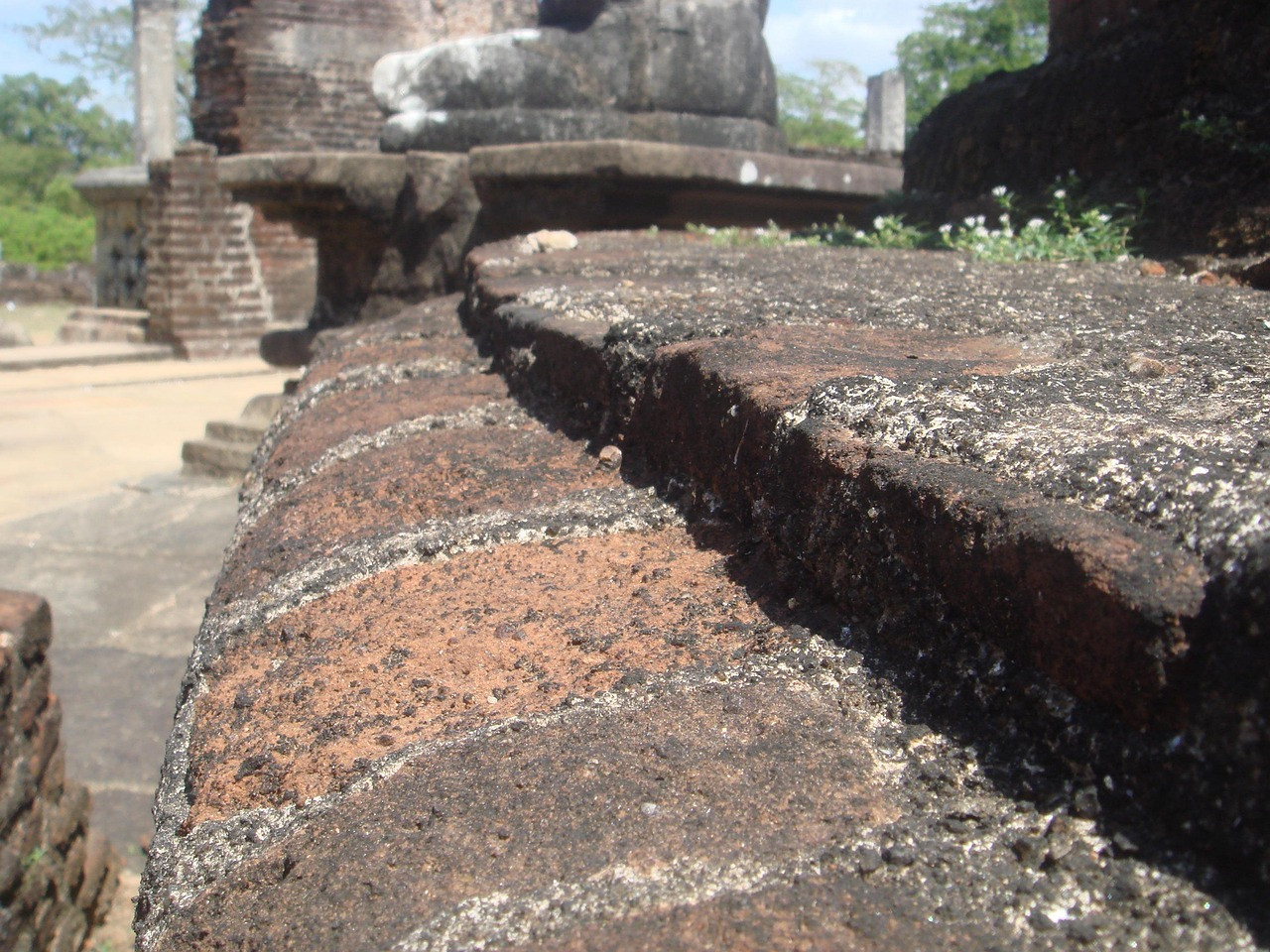
Representative image: marin_mnm / Pixabay
The ASI is preparing a preliminary dig at Vaishya Tekri in Ujjain after a survey found a cluster of Buddhist stupas and a water reservoir; a larger project may cost Rs 60 crore.
What Happened
The Archaeological Survey of India (ASI) is preparing a preliminary excavation at Vaishya Tekri, a large mound on the outskirts of Ujjain in Madhya Pradesh, after a recent survey identified a cluster of Buddhist stupas and a water reservoir at the site, ASI Director General Yadubir Singh Rawat said in remarks reported on October 17 and 18, 2026. The ASI plans to begin with a limited vertical excavation to assess the site before deciding on a larger project, estimated to cost Rs 60 crore. The mound was last excavated in 1973.
Key Facts
- Site: Vaishya Tekri, a mound near Ujjain, Madhya Pradesh.
- A recent ASI survey identified a cluster of Buddhist stupas and a water reservoir at the site.
- The ASI plans a limited vertical excavation first, to understand the layers of the mound, before any larger dig.
- A full excavation project is estimated at Rs 60 crore.
- The site was excavated in 1938-39 by the former Gwalior State and again in 1973.
- The 1938 report estimated the main stupa's base at about 350 feet across and its height at over 100 feet; these figures have not been confirmed by modern work.
- According to Rawat, the structures differ from those at Sanchi because they were built with unbaked bricks.
- The ASI has also set a three-year timeframe for completing its excavation projects.
Why It Matters
A stupa is a dome-shaped Buddhist monument, usually built over relics or to mark a sacred place. A large Buddhist complex near Ujjain, a city best known today for its temples, would add an important layer to the understanding of the city's early religious history.
The size of the main stupa is what has drawn attention. If the 1938 estimate of a base about 350 feet wide is correct, it would be far larger than the Great Stupa at Sanchi, also in Madhya Pradesh. Officials have been careful on this point: the actual dimensions, the importance of the site and its full extent can be established only through further investigation. Reports also note that while the site is generally placed in the Mauryan period, the 1938 excavation did not establish any link with the emperor Ashoka.
The choice of method matters too. A limited vertical excavation is a narrow trench dug deep through the mound. It lets archaeologists read the sequence of layers, from the earliest settlement to the latest, and decide where a wider dig would be most useful, without disturbing large areas of the site.
For students of Indian knowledge systems, the water reservoir identified in the survey is also of interest, since it may show how the builders of the complex planned for water.
| Point | What is known |
|---|---|
| Location | Vaishya Tekri, near Ujjain |
| Finds from recent survey | Cluster of Buddhist stupas, water reservoir |
| Earlier digs | 1938-39 (Gwalior State), 1973 |
| Next step | Limited vertical excavation |
| Estimated cost of larger project | Rs 60 crore |
Impact
Short-term: The ASI will prepare and carry out the first trench at the site; no start date has been announced. Findings from this stage will decide whether the larger Rs 60 crore project goes ahead.
Long-term: A confirmed large Buddhist complex at Ujjain could reshape the understanding of the region's history and draw scholars and visitors, adding a Buddhist heritage site to a city best known for its temples. The ASI's three-year limit on excavation projects means results should reach the public sooner than in many past digs.
Who is affected: Archaeologists and historians of early India, students of Buddhist and Indian heritage, the people of Ujjain and Madhya Pradesh, and the state's tourism sector.
Key Takeaway
The ASI is preparing a first, limited excavation at Ujjain's Vaishya Tekri after a survey found a cluster of Buddhist stupas and a reservoir, with any claims about the main stupa's record size still to be tested.
Questions and Answers
What has the ASI found at Vaishya Tekri in Ujjain?
A recent ASI survey identified a cluster of Buddhist stupas and a water reservoir at Vaishya Tekri, a mound near Ujjain, according to ASI Director General Yadubir Singh Rawat in remarks reported on October 17 and 18, 2026.
Is the Vaishya Tekri stupa bigger than Sanchi?
A 1938 excavation estimated the main stupa's base at about 350 feet across, which would be much larger than Sanchi's Great Stupa, but officials say the actual size can be confirmed only by further excavation.
When will the excavation begin and what will it cost?
No start date has been announced. The ASI plans a limited vertical excavation first; a larger project is estimated to cost Rs 60 crore.
When was the site last excavated?
Vaishya Tekri was excavated in 1938-39 by the former Gwalior State and last excavated in 1973.
Disclaimer: Prepared by the Peepals newsroom from publicly available sources with AI assistance. Information is accurate to the best of our knowledge at the time of publication and may change. Images may be representative. Not professional advice. Report an error via our contact page.
By Devansh Tiwari, Knowledge Systems WriterCovers Knowledge Systems and more for Peepals Sanskriti. All stories by Devansh Tiwari
Ayodhya Deepotsav 2026: preparations begin to light 30 lakh diyas
Kendrapara's Rajnagar keeps Durga boat immersion alive on crocodile river
Devansh Tiwari is a pen name of the Peepals Global Editorial Team, which researches, fact-checks and publishes every story. The portrait is an illustration.