
Shuddh Hi Shubh Hai: UP checks 86 Deepavali sweet makers, suspends four licences
 By Devansh TiwariKnowledge Systems Writer, Peepals Sanskriti
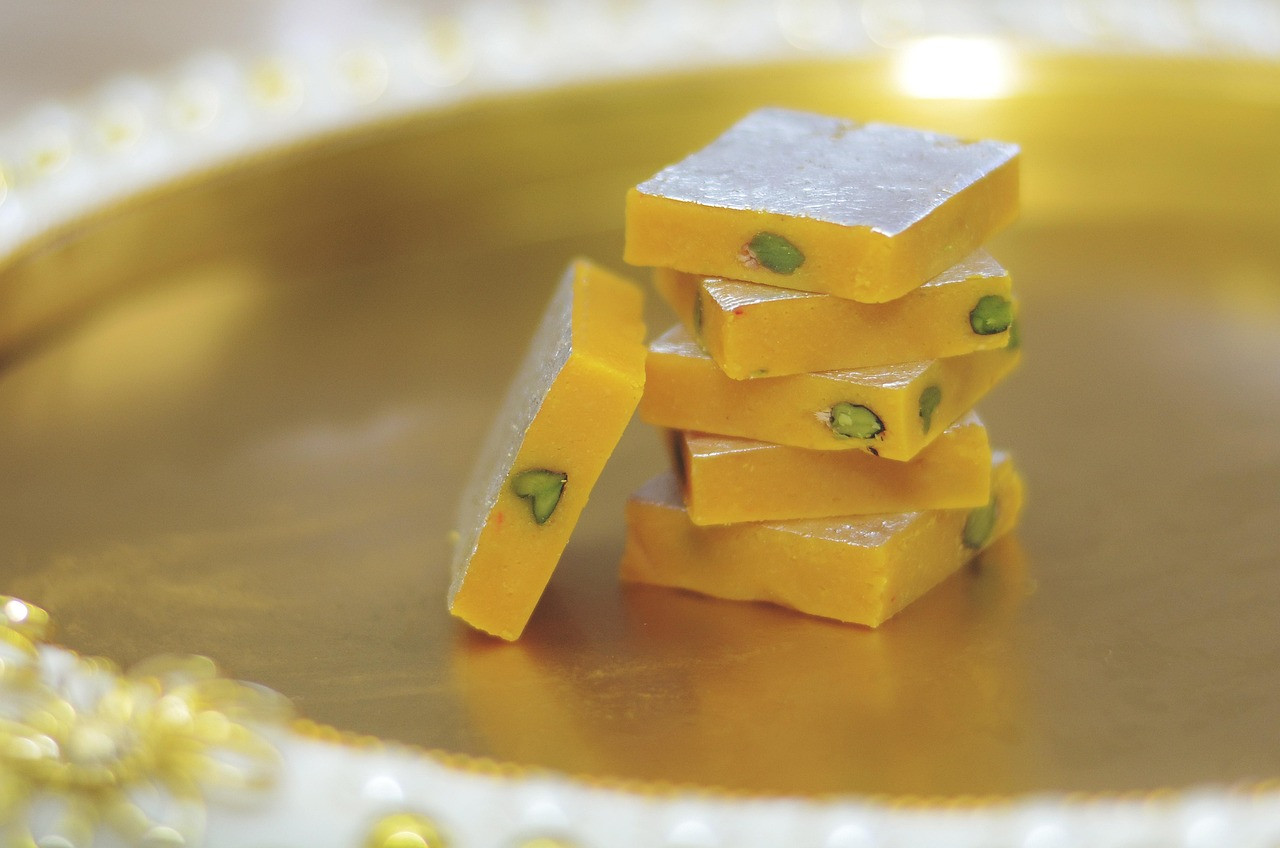
Representative image: clicksgaurav / Pixabay
UP's food regulator inspected 86 sweet and namkeen makers in Varanasi, Agra and Lucknow before Deepavali, issuing 71 notices (reported October 28, 2026).
What Happened
Uttar Pradesh's Food Safety and Drug Administration (FSDA) inspected 86 sweet and namkeen (savoury snack) makers in Varanasi, Agra and Lucknow ahead of Deepavali under its "Shuddh Hi Shubh Hai" ("only the pure is auspicious") campaign, according to reports on Wednesday, October 28, 2026. Where it found lapses, the department issued 71 improvement notices and collected 30 food samples for testing. It suspended the food business licences of four establishments and shut one sweet shop in Lucknow.
Key Facts
- Establishments inspected: 86 sweet and namkeen manufacturing units in Varanasi, Agra and Lucknow.
- Action taken: 71 improvement notices, 30 food samples collected, four licences suspended, one Lucknow sweet shop closed.
- Inspectors checked cleanliness of premises, the quality of raw materials, the handling of milk and dairy products, food colours and additives, the quality of edible oil, pest control, drinking water and the hygiene of food handlers.
- Earlier under the same campaign, the FSDA carried out 149 inspections of warehouses and "dark stores" (small delivery-only warehouses) linked to online grocery and quick-commerce platforms, collected 21 samples, and suspended the licences of four stores, reports on October 24 said.
- Before Navratri, the campaign led to the seizure of 20,924 kg of food items worth an estimated Rs 66.87 lakh and the collection of 176 samples, the department said.
- Deepavali falls on Sunday, November 8, 2026, when demand for sweets, khoa (milk solids), ghee and namkeen peaks.
Why It Matters
Sweets are at the centre of Deepavali: they are offered in puja, exchanged as gifts and served to guests. Many traditional sweets are made from milk-based khoa and paneer, fried in ghee or oil, and coloured or flavoured. Those are also the ingredients most often adulterated or kept in poor conditions when demand jumps in the festival season. Food safety officials in several states have run similar drives this month.
The Uttar Pradesh checks are notable for what they covered. Instead of only seizing suspect stock, inspectors went through the whole making process: where raw milk and khoa came from and how they were stored, whether the colours and additives used were permitted, the state of the cooking oil, whether there were pests, whether the water was safe, and whether workers followed basic hygiene. An improvement notice is a formal direction to a food business to correct the specific faults that inspectors found.
The campaign has also gone beyond sweet shops. Its earlier phase inspected the warehouses and dark stores that supply online grocery orders, a fast-growing channel for festive shopping in Indian cities. The 30 samples from the sweet makers will now be tested in laboratories, and further action depends on those results.
| Phase of campaign | Inspections | Samples | Other action |
|---|---|---|---|
| Before Navratri | Not stated | 176 | 20,924 kg seized, worth about Rs 66.87 lakh |
| Online stores and dark stores (reported Oct 24) | 149 | 21 | Four store licences suspended |
| Sweet and namkeen makers, Varanasi, Agra, Lucknow (reported Oct 28) | 86 | 30 | 71 notices, four licences suspended, one shop shut |
Impact
Short-term: Sweet makers in the three cities who received notices must fix the faults found before the Deepavali rush, and the four suspended businesses cannot operate until their licences are restored. Laboratory results on the 30 samples will decide whether prosecutions follow.
Long-term: Repeated festive-season drives put pressure on the traditional sweet trade, much of it small and family-run, to keep cleaner kitchens and records of where milk, khoa and oil come from. They also show regulators following the shift of food sales to online platforms.
Who is affected: Families buying Deepavali sweets in Uttar Pradesh, sweet and namkeen makers, online grocery platforms and their dark stores, and food safety officials across the state.
Key Takeaway
Uttar Pradesh's food regulator inspected 86 sweet and snack makers in three cities before Deepavali, issuing 71 notices, suspending four licences and closing one shop in Lucknow.
Questions and Answers
What is the "Shuddh Hi Shubh Hai" campaign in Uttar Pradesh?
It is a food safety drive by Uttar Pradesh's Food Safety and Drug Administration before the festival season, covering sweet makers, food stores and online grocery warehouses, with inspections, sampling and action against businesses that break the rules.
What did the FSDA find in Varanasi, Agra and Lucknow?
Of 86 sweet and namkeen units inspected, enough had lapses for the FSDA to issue 71 improvement notices and collect 30 samples. Four licences were suspended and one sweet shop in Lucknow was closed.
What did inspectors check at sweet shops?
They checked the cleanliness of premises, raw materials, how milk and dairy were handled, food colours and additives, edible oil quality, pest control, drinking water and the hygiene of staff.
Were online grocery stores also checked?
Yes. Under the same campaign the FSDA carried out 149 inspections of warehouses and dark stores linked to online platforms, collected 21 samples and suspended the licences of four stores.
Disclaimer: Prepared by the Peepals newsroom from publicly available sources with AI assistance. Information is accurate to the best of our knowledge at the time of publication and may change. Images may be representative. Not professional advice. Report an error via our contact page.
By Devansh Tiwari, Knowledge Systems WriterCovers Knowledge Systems and more for Peepals Sanskriti. All stories by Devansh Tiwari
Labh Pancham and Jain Gyan Panchami fall on Saturday, November 14
AYUSH counselling Round 3: MP choices close October 30, Bihar November 1
Get the day's stories in your inbox
Peepals Weekly: the week decoded, free. One email a week, unsubscribe in one click.
Devansh Tiwari is a pen name of the Peepals Global Editorial Team, which researches, fact-checks and publishes every story. The portrait is an illustration.