
Rs 12.74 crore of food, gutkha pulled off shelves before Diwali in Maharashtra
 By Devansh TiwariKnowledge Systems Writer, Peepals Sanskriti
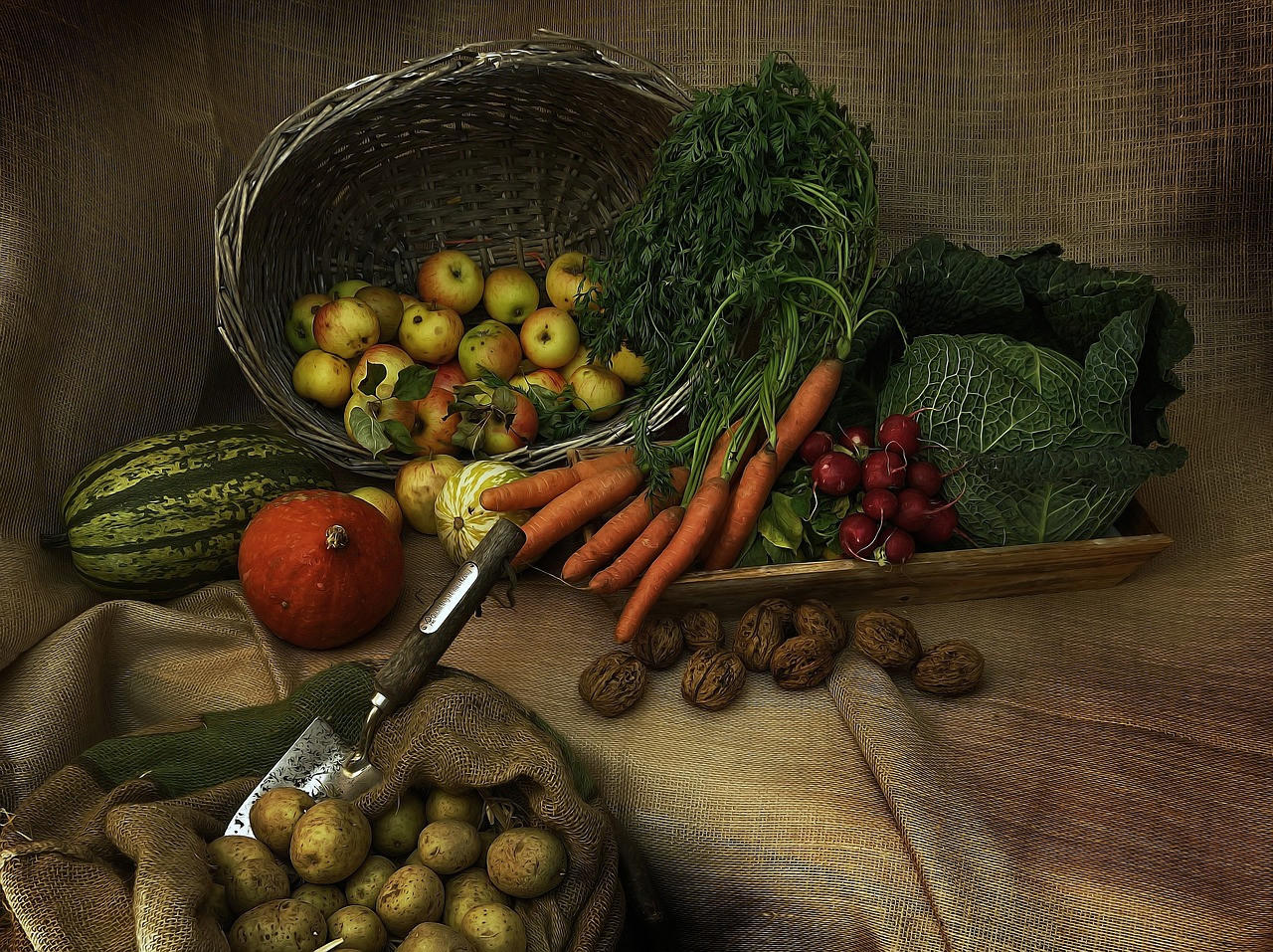
Representative image: Michi-Nordlicht / Pixabay
Maharashtra's FDA says its pre-Diwali drive seized about Rs 12.74 crore of food, gutkha and expired stock and acted against 68 licences (October 2026).
What Happened
Maharashtra's Food and Drug Administration (FDA) said its special food safety drive before Diwali led to seizures worth about Rs 12.74 crore across the state, according to an official statement reported on October 25 and 26, 2026. The drive, under FDA Commissioner Tukaram Mundhe, covered all seven divisions of the state. The FDA kept up the inspections over the weekend of October 25 and 26, seizing a further Rs 25.5 lakh of food from 14 establishments, it said on October 27 and 28.
Key Facts
- Total seizures: about Rs 12.74 crore, made up of food stock worth Rs 9.11 crore, banned gutkha and pan masala worth about Rs 3.15 crore, and expired food worth Rs 48.09 lakh.
- Food stock seized: 3,74,762 kg of solid food products and 28,297 litres of liquid food.
- Licences: action was taken against the licences or registrations of 68 establishments, and seven establishments were ordered to shut. Reports of the statement differ on whether the 68 licences were suspended or cancelled.
- In Thane and Pune, the FDA said it found expired and spoiled food that was supposed to have been destroyed being sent back into the market; it seized 8,392 kg of such stock, suspended five licences and filed criminal complaints.
- Divisions covered: Mumbai, Konkan, Pune, Nashik, Chhatrapati Sambhajinagar, Nagpur and Amravati.
- Weekend checks on October 25 and 26: 14 establishments; 9,384.9 kg of food, 7,566 packets of expired packaged food, 7,104 bottles of carbonated drinks and 88 litres of milk seized.
Why It Matters
In the weeks before Diwali, which falls on November 8 this year, households buy far more sweets, milk products, dry fruits, edible oil and packaged snacks than usual, for gifts, offerings and family meals. That spike in demand is when regulators across India step up checks, and Maharashtra's figures give one of the clearest pictures yet of the scale of the problem in a single state.
Two findings stand out. The first is the expired-food trail in Thane and Pune. Food that has passed its date is meant to be destroyed and the destruction recorded. The FDA said some of it was instead re-entering the market, which is why it filed criminal complaints and not just administrative notices. Weekend checks also turned up thousands of packets of expired packaged food at one warehouse in Thane district, where the FDA said the business could not show records of disposing of old stock.
The second is the share taken by tobacco. About a quarter of the value seized, roughly Rs 3.15 crore, was gutkha and scented pan masala, which are banned for sale in Maharashtra. Festive-season drives therefore serve two purposes: protecting the quality of food and enforcing an existing ban on chewing tobacco products.
| Item | Quantity or value |
|---|---|
| Food stock seized | 3,74,762 kg and 28,297 litres, worth Rs 9.11 crore |
| Banned gutkha and pan masala | About Rs 3.15 crore |
| Expired food re-entering market (Thane, Pune) | 8,392 kg, worth Rs 48.09 lakh |
| Weekend checks, October 25-26 | 14 establishments, about Rs 25.5 lakh |
Impact
Short-term: Businesses whose licences were suspended or cancelled cannot trade in the busiest sales weeks of the year, and the seized stock will be tested or destroyed. Criminal complaints in the expired-food cases will move to the police and courts.
Long-term: The cases highlight the need for proper records when expired stock is destroyed, especially at warehouses that supply shops and online orders. Repeated drives also put pressure on traders who sell banned tobacco alongside food.
Who is affected: Families buying sweets, dairy and packaged food for Diwali in Maharashtra, food businesses and warehouses, retailers, and the FDA's inspectors across seven divisions.
Key Takeaway
Maharashtra's FDA says its pre-Diwali drive seized about Rs 12.74 crore of food and banned tobacco, acted against 68 licences and found expired food being sent back to market in Thane and Pune.
Questions and Answers
How much did Maharashtra FDA seize before Diwali 2026?
About Rs 12.74 crore in total: food stock worth Rs 9.11 crore, banned gutkha and pan masala worth about Rs 3.15 crore, and expired food worth Rs 48.09 lakh, according to the FDA's statement reported on October 25 and 26, 2026.
What did the FDA find in Thane and Pune?
It said expired and spoiled food that should have been destroyed was being put back on the market. It seized 8,392 kg of such stock, suspended five licences and filed criminal complaints.
How many food businesses faced action?
Licences or registrations of 68 establishments were acted against, and seven establishments were ordered to close. Reports differ on whether the 68 licences were suspended or cancelled.
Did inspections continue after the totals were announced?
Yes. On October 25 and 26 the FDA inspected 14 establishments and seized about Rs 25.5 lakh of goods, including 7,566 packets of expired packaged food and 7,104 bottles of carbonated drinks.
Disclaimer: Prepared by the Peepals newsroom from publicly available sources with AI assistance. Information is accurate to the best of our knowledge at the time of publication and may change. Images may be representative. Not professional advice. Report an error via our contact page.
By Devansh Tiwari, Knowledge Systems WriterCovers Knowledge Systems and more for Peepals Sanskriti. All stories by Devansh Tiwari
Thailand's Grand Diwali Festival: seven free events from November 3 to 29
Vasu Baras 2026: Govatsa Dwadashi cow puja is on Thursday, November 5
Get the day's stories in your inbox
Peepals Weekly: the week decoded, free. One email a week, unsubscribe in one click.
Devansh Tiwari is a pen name of the Peepals Global Editorial Team, which researches, fact-checks and publishes every story. The portrait is an illustration.