
Vasu Baras 2026: Govatsa Dwadashi cow puja is on Thursday, November 5
 By Devansh TiwariKnowledge Systems Writer, Peepals Sanskriti
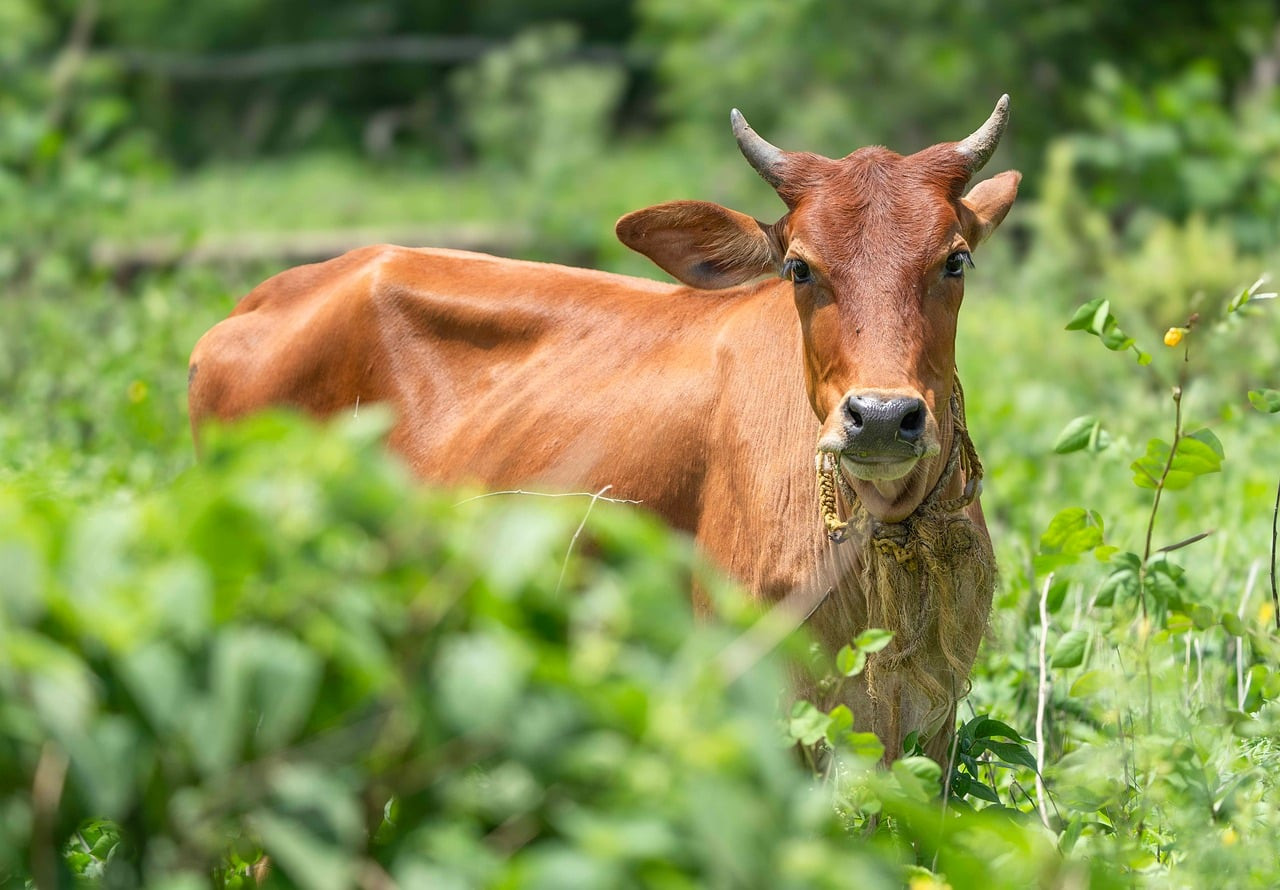
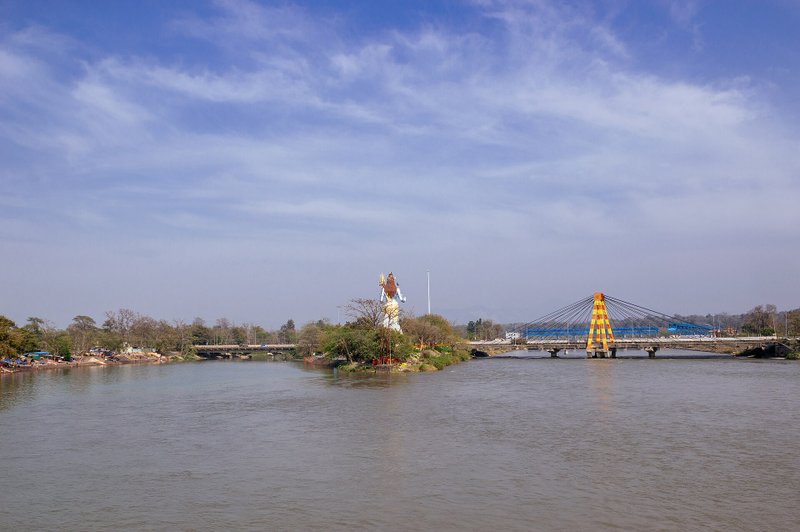
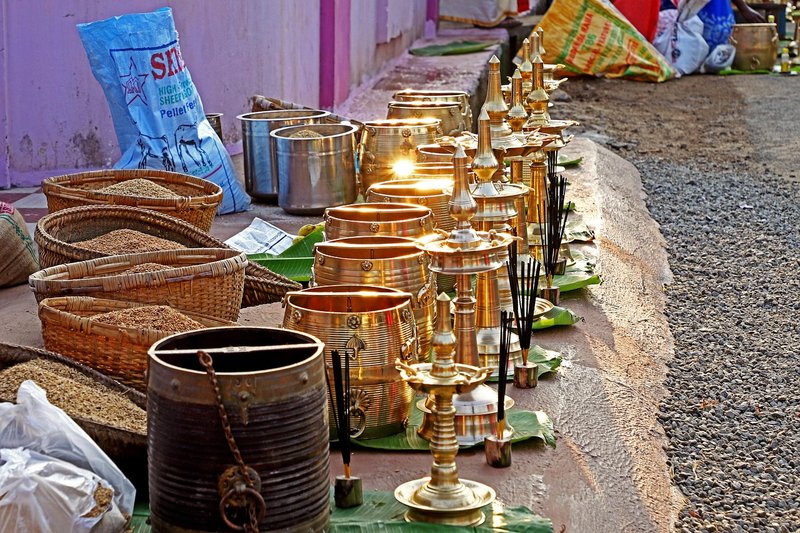
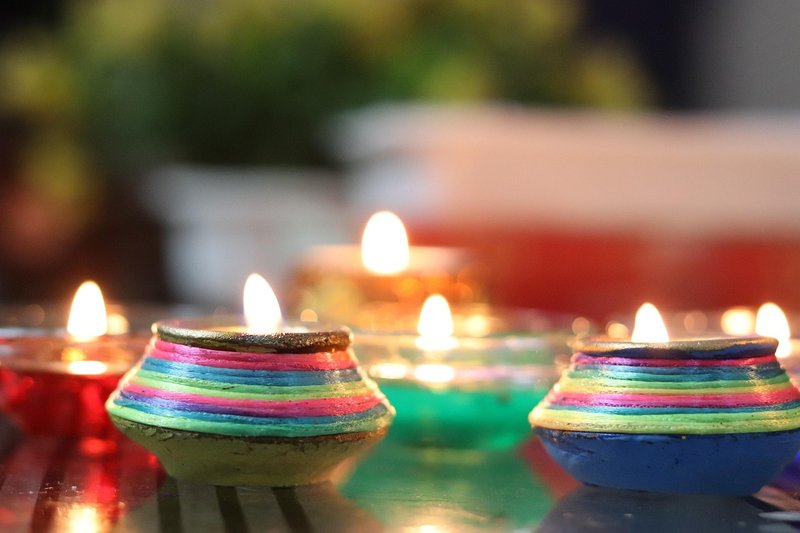
Representative image: balouriarajesh / Pixabay
Govatsa Dwadashi, called Vasu Baras and Vagh Baras, falls on Thursday, November 5, 2026, a day before Dhanteras, as Dwadashi begins mid-morning.
What Happened
Govatsa Dwadashi, the cow-and-calf festival known as Vasu Baras in Maharashtra and Vagh Baras in Gujarat, falls on Thursday, November 5, 2026, according to the major panchang (Hindu almanac) calendars, one day before Dhanteras. The Dwadashi tithi, the twelfth lunar day, begins at about 10:35 am on November 5 and ends at about 10:31 am on November 6, India time, so the evening worship that defines the day can only be held on November 5. That is also the date of Rama Ekadashi, which is why the two observances share a calendar day this year.
Key Facts
- Date: Thursday, November 5, 2026, the day before Dhanteras on November 6 and three days before Diwali on November 8.
- Dwadashi tithi: from about 10:35 am on November 5 to about 10:31 am on November 6 (IST), according to panchang sites.
- The main puja is held in the Pradosh period, the window after sunset; one almanac gives 5:42 pm to 8:17 pm for Ujjain, and the exact time differs by city.
- The day is also kept as Nandini Vrat, named after Nandini, a divine cow in Hindu tradition.
- Those who observe it traditionally avoid wheat and milk products for the day, though some Maharashtra customs limit this to milk.
- In Maharashtra, Vasu Baras marks the start of the Diwali festivities; in Gujarat, many traders close their old account books on Vagh Baras.
Why It Matters
Hindu festivals follow the tithi, a lunar day that does not line up with the 24-hour solar day. A tithi can start at any hour and last a little less or more than a day. Each festival therefore comes with a rule about which part of the tithi matters. For most fasts, the rule is the tithi that is present at sunrise. For Govatsa Dwadashi, panchang makers look at the Pradosh period, the evening window after sunset, because the cow and calf worship is traditionally performed in the evening.
In 2026, sunrise on November 5 still falls in Ekadashi, which is why that day is Rama Ekadashi. But by evening, Dwadashi has begun and is present right through the Pradosh window. On November 6, Dwadashi ends around 10:31 am, and the evening belongs to Trayodashi, the tithi of Dhanteras. So the only evening with Dwadashi is November 5. This is how one calendar day can hold an Ekadashi fast in the morning and a Dwadashi puja at night.
The festival's meaning comes from tradition. According to the customs described in religious and folk sources, the day is a thanksgiving to the cow for sustaining human life. Families bathe cows and calves, drape them with cloth and garlands, mark their foreheads with turmeric or vermilion and feed them. Where there is no cow at home, people draw or make images of a cow and calf and worship them. Women who keep Nandini Vrat traditionally fast for the wellbeing of their children.
The Gujarati name has its own story. "Vagh" is linked in custom to clearing debts, and many business families close the year's ledgers on this day before opening new books around Diwali and the Gujarati New Year. These customs show how a single tithi can carry farming, family and trading meanings at the same time.
| Diwali 2026 sequence | Date |
|---|---|
| Rama Ekadashi and Vasu Baras (Govatsa Dwadashi) | Thursday, November 5 |
| Dhanteras | Friday, November 6 |
| Narak Chaturdashi and Diwali Lakshmi Puja | Sunday, November 8 |
Impact
Short-term: Households in Maharashtra and Gujarat, and dairy-farming families elsewhere, will plan cow worship on the evening of November 5, while those keeping Rama Ekadashi fast that morning.
Long-term: Knowing the Pradosh rule helps readers understand why festival dates sometimes seem to clash or shift between calendars, and why the same day can carry two observances.
Who is affected: Families who observe Vasu Baras, Vagh Baras or Nandini Vrat, traders who close their books before Diwali, and temples and goshalas (cow shelters) that hold special pujas.
Key Takeaway
Govatsa Dwadashi falls on Thursday, November 5, 2026 because Dwadashi is present only during that evening's Pradosh period, even though the morning of the same day is Rama Ekadashi.
Questions and Answers
When is Vasu Baras in 2026?
Vasu Baras, also called Govatsa Dwadashi or Vagh Baras, is on Thursday, November 5, 2026, one day before Dhanteras.
What time does Dwadashi tithi start and end for Vasu Baras 2026?
According to panchang sites, Dwadashi begins at about 10:35 am on November 5 and ends at about 10:31 am on November 6, India time. Local puja times vary by city.
Why are Rama Ekadashi and Vasu Baras on the same day in 2026?
Ekadashi is present at sunrise on November 5, which fixes the Ekadashi fast, while Dwadashi begins later that morning and covers the evening Pradosh period, which is the time that decides Govatsa Dwadashi.
What do people do on Govatsa Dwadashi?
By tradition, families bathe, decorate and feed cows and calves and worship them at dusk; many avoid wheat and milk products for the day, and women may keep Nandini Vrat for their children's wellbeing.
Disclaimer: Prepared by the Peepals newsroom from publicly available sources with AI assistance. Information is accurate to the best of our knowledge at the time of publication and may change. Images may be representative. Not professional advice. Report an error via our contact page.
By Devansh Tiwari, Knowledge Systems WriterCovers Knowledge Systems and more for Peepals Sanskriti. All stories by Devansh Tiwari
Rs 12.74 crore of food, gutkha pulled off shelves before Diwali in Maharashtra
Pay AYUSH doctor's retirement dues first, Supreme Court tells Rajasthan
Get the day's stories in your inbox
Peepals Weekly: the week decoded, free. One email a week, unsubscribe in one click.
Devansh Tiwari is a pen name of the Peepals Global Editorial Team, which researches, fact-checks and publishes every story. The portrait is an illustration.