
Dussehra 2026: why Bisrakh village prays for Ravan instead of burning him
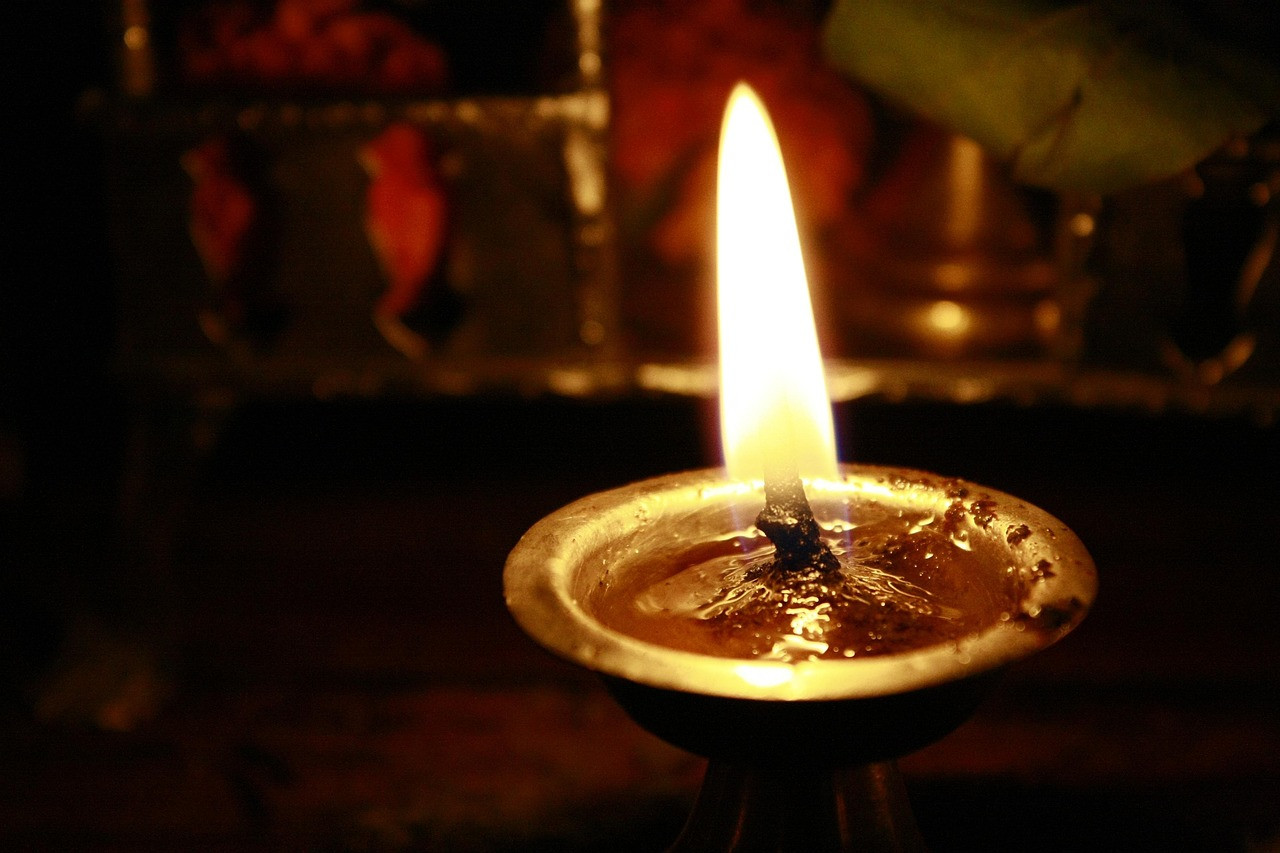
Representative image: PDPics / Pixabay
On Dussehra, October 20, 2026, Bisrakh in Greater Noida again skips Ravan effigy burning; by local tradition it is Ravan's birthplace and villagers pray for his soul.
What Happened
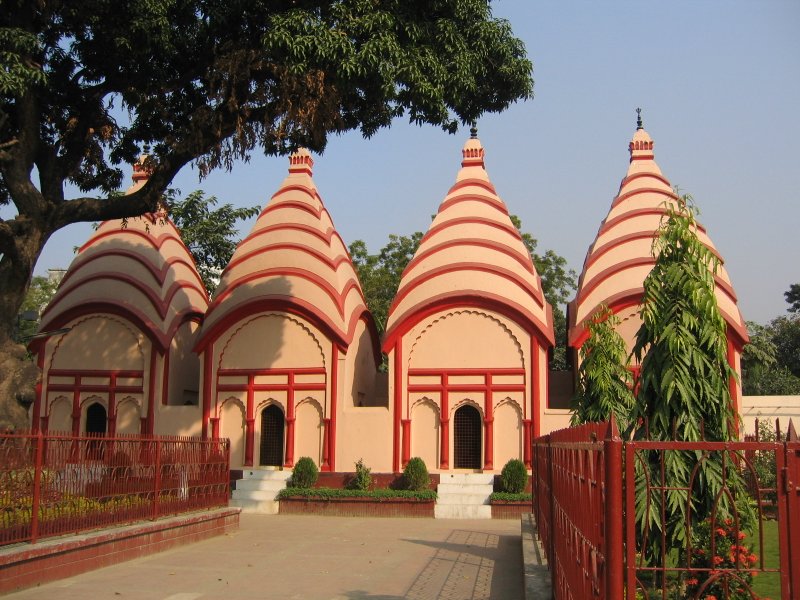
On Dussehra, Tuesday, October 20, 2026, as grounds across North India prepared to burn effigies of Ravan in the evening, the village of Bisrakh in Greater Noida, in Uttar Pradesh's Gautam Buddh Nagar district, kept to its custom of not burning one. According to local tradition, Bisrakh is the birthplace of Ravan, and residents mark the day with prayers and rituals instead. Devotees offer prayers to Lord Shiva and perform rites for the peace of Ravan's soul, according to reports published on the festival day. A report the same day also described a temple in Kanpur where devotees visit on Vijayadashami to offer prayers, flowers and oil lamps.
Key Facts
- Date: Dussehra, also called Vijayadashami, fell on October 20, 2026 in most of North India.
- Place: Bisrakh village, Greater Noida, Gautam Buddh Nagar district, Uttar Pradesh.
- By local tradition, Bisrakh is linked to Ravan's birthplace.
- Villagers do not burn Ravan's effigy and do not hold Ramlila, according to reports.
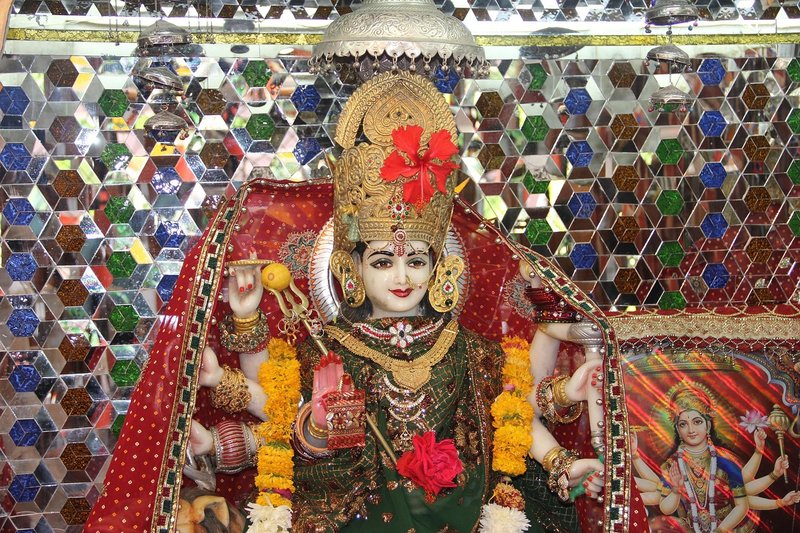
- Instead, they offer prayers to Lord Shiva and perform rituals seeking peace for Ravan's soul.
- Temple mahant Ram Das Maharaj has said the village mourns Ravan's death and so does not burn his effigy.
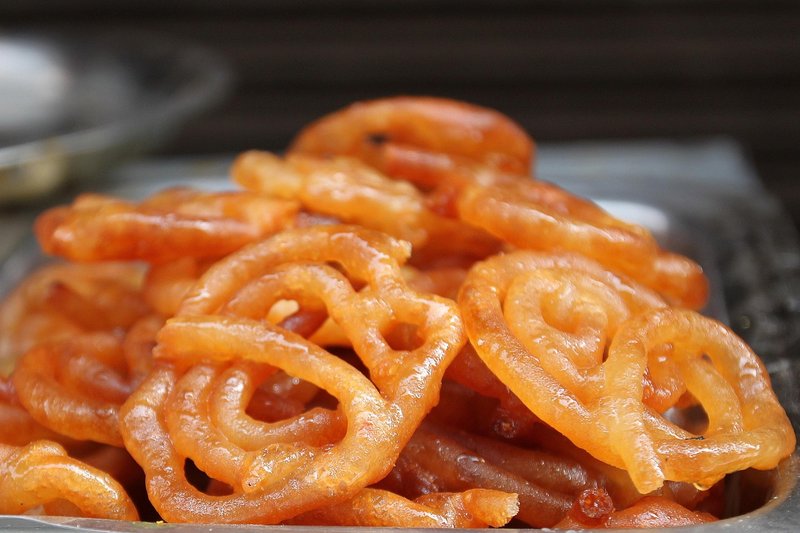
- Residents also prepare festive dishes such as kheer and puri and worship weapons on the day, one report said.
Why It Matters
Dussehra is one of the most widely celebrated Hindu festivals. In the tradition of the Ramayana, it marks Lord Ram's victory over Ravan, the king of Lanka, and is celebrated as the triumph of good over evil. In much of North India, the day ends with Ramlila performances and the burning of tall effigies of Ravan, often with those of his brother Kumbhakaran and son Meghnad.
Bisrakh's practice shows that the festival is not one single ritual everywhere. In the Ramayana tradition, Ravan is not only a villain; he is also described as a great scholar and a devoted worshipper of Lord Shiva. Communities that link themselves to him by birthplace or descent remember that side of the story. In Bisrakh, according to the village's tradition, the day is one of mourning for a native son, not of celebration of his defeat. Residents' explanations, as reported, include respect for Ravan as a devotee of Shiva and a belief that burning his effigy could displease Shiva.
These are matters of local belief and custom. The link between Bisrakh and Ravan's birth rests on tradition, not on historical or archaeological evidence. Reporting on it is not a statement that one way of observing the festival is right and another wrong. India's festivals have always carried many regional and community versions, and Dussehra itself is celebrated differently in Mysuru, Kullu, Bastar and Bengal, among other places.
For readers, the story is a reminder of how living traditions work. They are passed down through families and temples, explained in local terms, and kept alive by repeating them year after year. Bisrakh's quiet Dussehra stands next to the loud celebrations in nearby Delhi and Noida, and both are part of the same festival.
| Place | How Dussehra is marked |
|---|---|
| Most of North India | Ramlila and burning of Ravan effigies |
| Bisrakh, Greater Noida | No effigy burning; prayers to Shiva and for Ravan's soul |
| A temple in Kanpur | Devotees offer prayers, flowers and oil lamps on Vijayadashami |
Impact
Short-term: Bisrakh's custom draws visitors and media attention every Dussehra, bringing people to the village temple and spreading awareness of the many ways the festival is observed.
Long-term: As Greater Noida grows into a dense urban area, practices like Bisrakh's depend on residents and temple custodians continuing them. Documenting such local traditions helps keep a record of India's regional festival culture.
Who is affected: Residents of Bisrakh and the temple's custodians, devotees who visit on Dussehra, scholars and students of Indian festivals and folk traditions, and visitors interested in regional customs.
Key Takeaway
On Dussehra 2026, Bisrakh in Greater Noida, linked by local tradition to Ravan's birthplace, kept to prayer instead of effigy burning, showing how one festival carries many living local traditions.
Questions and Answers
Why does Bisrakh village not burn Ravan's effigy on Dussehra?
According to local tradition, Bisrakh is Ravan's birthplace. Residents mourn his death instead of celebrating it, and temple mahant Ram Das Maharaj has said the village therefore does not burn his effigy. Some residents also believe burning it could displease Lord Shiva.
Where is Bisrakh?
Bisrakh is a village in Greater Noida, in the Gautam Buddh Nagar district of Uttar Pradesh, near Delhi.
How does Bisrakh observe Dussehra?
Villagers offer prayers to Lord Shiva and perform rituals seeking peace for Ravan's soul. Reports say they also prepare festive dishes such as kheer and puri and worship weapons, but do not hold Ramlila or burn effigies.
Is Bisrakh historically proven to be Ravan's birthplace?
No. The link is a matter of local tradition and belief, not of historical or archaeological evidence.
Disclaimer: Prepared by the Peepals newsroom from publicly available sources with AI assistance. Information is accurate to the best of our knowledge at the time of publication and may change. Images may be representative. Not professional advice. Report an error via our contact page.
Sourced and fact-checked by the Peepals Global Editorial Team
BIS holds Ayush standards sessions in Belagavi and Leh on Ayurveda, Sowa-Rigpa
FSSAI draft bars added sugars in food for babies under 6 months
Reported, fact-checked and published by the Peepals Global Editorial Team.