
Papankusha Ekadashi 2026 on October 22: why the sunrise rule decides
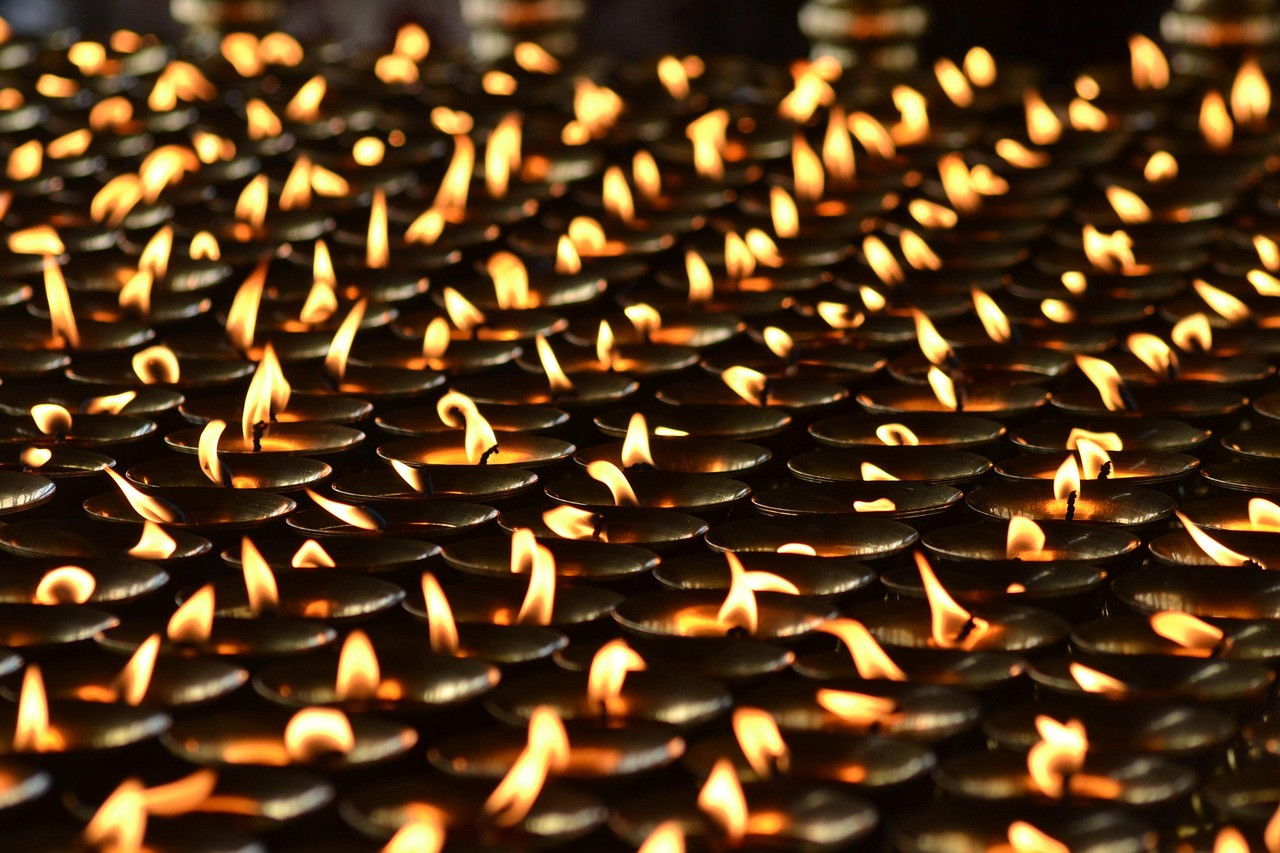
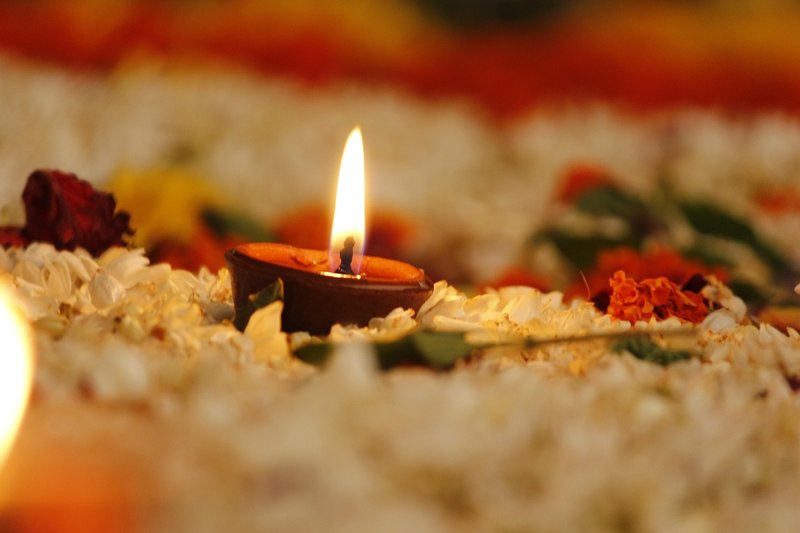
Representative image: bhuwanpurohit / Pixabay
Papankusha Ekadashi falls on Thursday, October 22, 2026, with the fast broken on October 23; panchangs differ on exact tithi and parana times, which vary by city.
What Happened
Papankusha Ekadashi, the Ekadashi that follows Vijayadashami in the month of Ashwin, will be observed on Thursday, October 22, 2026, according to panchang sources, and the fast is to be broken on the morning of Friday, October 23. The Ekadashi tithi itself begins on the afternoon of Wednesday, October 21 and ends on the afternoon of October 22, but because Ekadashi is the tithi prevailing at sunrise on October 22, that is the day of the fast. Panchangs differ on the exact minutes, and the window for breaking the fast varies from city to city.
Key Facts
- Papankusha Ekadashi 2026: Thursday, October 22.
- Ekadashi tithi: most panchang sources give it from about 2.11 pm on October 21 to about 2.47 pm on October 22; one source gives an earlier window, from 10.50 am on October 21 to 11.41 am on October 22.
- The fast is observed on October 22 because Ekadashi is the tithi at sunrise on that day.
- Parana, the breaking of the fast, is on Friday, October 23, in the morning.
- Reported parana windows include about 6.27 am to 8.42 am for New Delhi, 6.31 am to 8.47 am in another panchang, and 6.21 am to 9.20 am in a third.
- Timings depend on the panchang followed and on local sunrise, so devotees are advised to check their local calendar.
Why It Matters
The Hindu calendar is lunisolar: months follow the moon, while the year is kept in step with the sun. Each lunar month has two fortnights, the waxing (shukla) and the waning (krishna), and each fortnight has fifteen tithis, or lunar days. Ekadashi is the eleventh tithi of each fortnight, so it comes twice a month. Unlike a solar calendar day, a tithi does not begin at midnight or sunrise. It is measured by the angle between the sun and the moon, and it can start and end at any time of day. That is why a tithi often spans parts of two calendar days.
To decide which day to observe, most traditions follow the "udaya tithi" rule: the tithi that is in force at sunrise gives its name to the whole day. On October 22, 2026, Ekadashi will be running at sunrise, so that is the day of the vrat, or fast, even though the tithi started the previous afternoon. Small differences between panchangs come from the methods and locations used to calculate the moon's position and the time of sunrise, which is also why the parana time is different in Delhi, Mumbai or Chennai.
Parana has its own rule. According to tradition, the fast should be broken on the next day, Dwadashi, within a set period after sunrise and before Dwadashi ends. This is why panchangs publish a parana window, usually in the early morning.
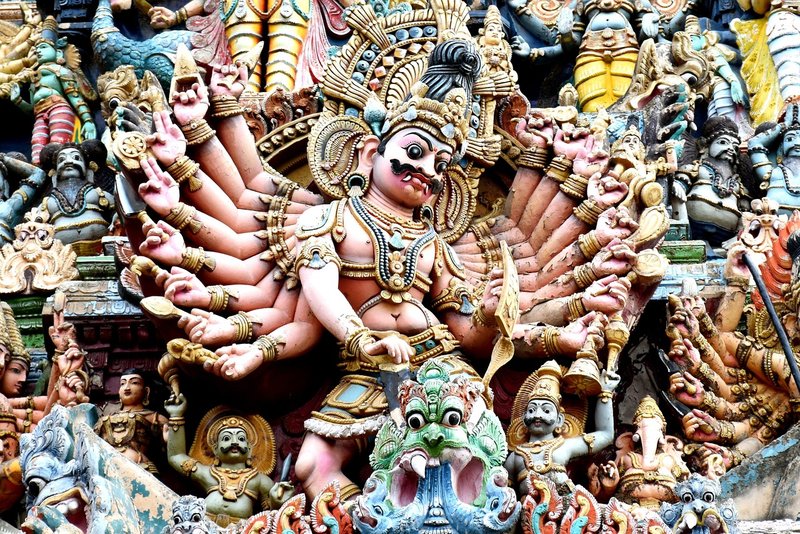
In tradition, Ekadashi is dedicated to Vishnu, and each of the 24 Ekadashis of the year has its own name and story. Papankusha is associated with the removal of sins, as its name suggests: "papa" means sin and "ankusha" is the goad used to control an elephant. According to the texts devotees cite, observing this Ekadashi with fasting and prayer brings spiritual merit. These are matters of belief; the calendar calculations, by contrast, are astronomical.
For many families, Papankusha Ekadashi also marks the turn from the Navratri and Dussehra season towards Sharad Purnima and the Diwali preparations of Kartik.
| Item | Detail |
|---|---|
| Day of fast | Thursday, October 22, 2026 |
| Tithi (most sources) | About 2.11 pm, Oct 21 to about 2.47 pm, Oct 22 |
| Parana | Friday, October 23, morning |
| Rule used | Udaya tithi, the tithi at sunrise |
| Advice | Check local panchang for exact times |
Impact
Short-term: Devotees who keep Ekadashi fasts will observe the vrat on October 22 and break it on the morning of October 23, at the time given in their local panchang. Temples dedicated to Vishnu and Krishna may hold special prayers.
Long-term: The case shows why festival and fast dates in India can appear to differ between sources. Understanding how tithis and the sunrise rule work helps families read a panchang with confidence instead of relying on conflicting messages.
Who is affected: Devotees who observe Ekadashi fasts, temple priests and panchang publishers, and families planning observances around the festival season.
Key Takeaway
Papankusha Ekadashi 2026 is observed on Thursday, October 22, because Ekadashi prevails at sunrise that day, and the fast is broken on the morning of October 23 at a time that depends on the local panchang.
Questions and Answers
Is Papankusha Ekadashi 2026 on October 21 or October 22?
It is observed on Thursday, October 22, 2026. The Ekadashi tithi begins on the afternoon of October 21, but by the sunrise rule the day of the fast is October 22, when Ekadashi is in force at sunrise.
What is the parana time for Papankusha Ekadashi 2026?
The fast is broken on Friday, October 23, in the morning. Panchangs give windows such as about 6.27 am to 8.42 am for New Delhi; exact times vary by city and by panchang.
Why do panchangs give different timings?
A tithi is based on the angle between the sun and the moon and can start at any time. Panchangs use slightly different calculation methods and local sunrise times, so their start, end and parana times can differ by minutes or more.
What does Papankusha mean?
"Papa" means sin and "ankusha" is an elephant goad. According to tradition, this Ekadashi, dedicated to Vishnu, is observed to seek release from sins through fasting and prayer.
Disclaimer: Prepared by the Peepals newsroom from publicly available sources with AI assistance. Information is accurate to the best of our knowledge at the time of publication and may change. Images may be representative. Not professional advice. Report an error via our contact page.
Sourced and fact-checked by the Peepals Global Editorial Team
Supreme Court: State is custodian, not owner, of temple land
Fermented foods across Europe: survey of 12,646 adults maps what people eat
Reported, fact-checked and published by the Peepals Global Editorial Team.