
Fermented foods across Europe: survey of 12,646 adults maps what people eat

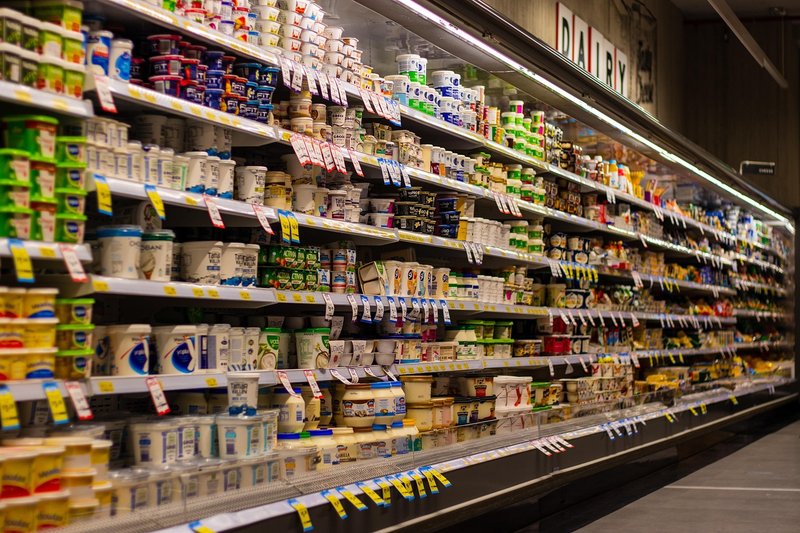
Representative image: RitaE / Pixabay
A PIMENTO study of 12,646 adults, reported October 18-19, 2026, found fermented dairy is eaten across Europe, but other fermented foods vary widely by region.
What Happened
A study from PIMENTO, a European research network on fermented foods, has mapped how often and how much adults across Europe eat fermented foods, and found that fermented dairy, such as yoghurt and cheese, is widely eaten everywhere, while other fermented foods vary a great deal from region to region. The study, published in the British Journal of Nutrition and reported on October 18 and 19, 2026, surveyed 12,646 adults. It also found that a food being eaten by many people does not mean it is eaten in large amounts: some fermented foods were common but consumed only in small quantities.
Key Facts
- 12,646 adults took part: 2,315 from Northern Europe, 5,185 from Central-Eastern, 2,577 from Western and 2,569 from Southern Europe.
- Data were collected online between October 2023 and May 2024 using a fermented food frequency questionnaire developed for the project.
- Fermented dairy products were widely consumed across all regions.
- Other fermented foods showed large regional differences in how popular they were and how much was eaten.
- Coffee and fermented cereals were very common, while fermented vegetables and legumes were eaten in low amounts, according to a summary of the findings.
- The authors found a mismatch between how many people eat a food and how much they eat.
- They suggested that region-specific dietary guidance may suit better than one Europe-wide message, pending more research on health effects.
Why It Matters
Fermentation is one of the oldest ways of preparing and preserving food. Microbes such as bacteria and yeasts change the food, souring milk into curd, turning grain batter light and tangy, or pickling vegetables. Many familiar products involve fermentation at some stage, including bread, cheese, yoghurt, soy sauce and even the beans used for coffee and chocolate.
Interest in fermented foods has grown because of research on the gut microbiome, the community of microbes living in the digestive system. But scientists have lacked basic data on how much of these foods people actually eat, which makes it hard to study their effects on health. This survey measured it across four European regions with a common, tested questionnaire. It is a study of eating habits, not of health outcomes, and it does not show that fermented foods prevent or treat any illness.
For Indian readers, the findings connect with a familiar tradition. Indian kitchens have long relied on fermentation: curd set at home, idli and dosa batter, dhokla, kanji and many regional pickles and breads. According to tradition, these foods are part of everyday balanced eating, and many families still make them daily. The European study's point about frequency versus quantity applies here too: eating a small spoon of pickle every day is very different from eating a bowl of curd, even though both count as "eating fermented food".
The study's call for region-specific advice also matters for India, where diets vary sharply from state to state. Any future advice on fermented foods would need to start from what people in each region already eat, rather than from imported examples such as kombucha or kimchi.
| Region | Participants |
|---|---|
| Northern Europe | 2,315 |
| Central-Eastern Europe | 5,185 |
| Western Europe | 2,577 |
| Southern Europe | 2,569 |
| Total | 12,646 |
Impact
Short-term: The data give researchers a baseline for studying whether and how fermented foods affect health, and for designing trials that reflect real eating habits.
Long-term: If health benefits are confirmed in future studies, dietary guidelines could include region-specific advice on fermented foods. The method could also be adapted to map traditional fermented foods in other countries, including India.
Who is affected: Nutrition researchers, public health bodies that write dietary guidelines, food producers making fermented products, and people interested in traditional diets.
Key Takeaway
A survey of 12,646 European adults shows fermented dairy is eaten everywhere but other fermented foods vary widely by region, and that how often people eat a food says little about how much they eat.
Questions and Answers
What did the PIMENTO fermented foods study find?
The study of 12,646 adults, published in the British Journal of Nutrition and reported in October 2026, found that fermented dairy products are widely eaten across Europe, while other fermented foods vary greatly by region in both popularity and amount eaten.
Does the study show fermented foods are healthy?
No. It measured eating habits, not health effects. The authors said more research on health outcomes is needed before any firm dietary advice.
Why does the difference between frequency and amount matter?
A food can be eaten by many people but only in tiny amounts. Researchers need both measures to judge whether a food could have any real effect on health.
How does this relate to Indian food traditions?
India has a long tradition of fermented foods such as curd, idli and dosa batter and pickles. The study's approach, measuring what each region actually eats, could help researchers study these traditional foods in the same way.
Disclaimer: Prepared by the Peepals newsroom from publicly available sources with AI assistance. Information is accurate to the best of our knowledge at the time of publication and may change. Images may be representative. Not professional advice. Report an error via our contact page.
Sourced and fact-checked by the Peepals Global Editorial Team
Reported, fact-checked and published by the Peepals Global Editorial Team.