
Visva-Bharati starts digitising Lipika manuscripts under Gyan Bharatam mission
 By Devansh TiwariKnowledge Systems Writer, Peepals Sanskriti
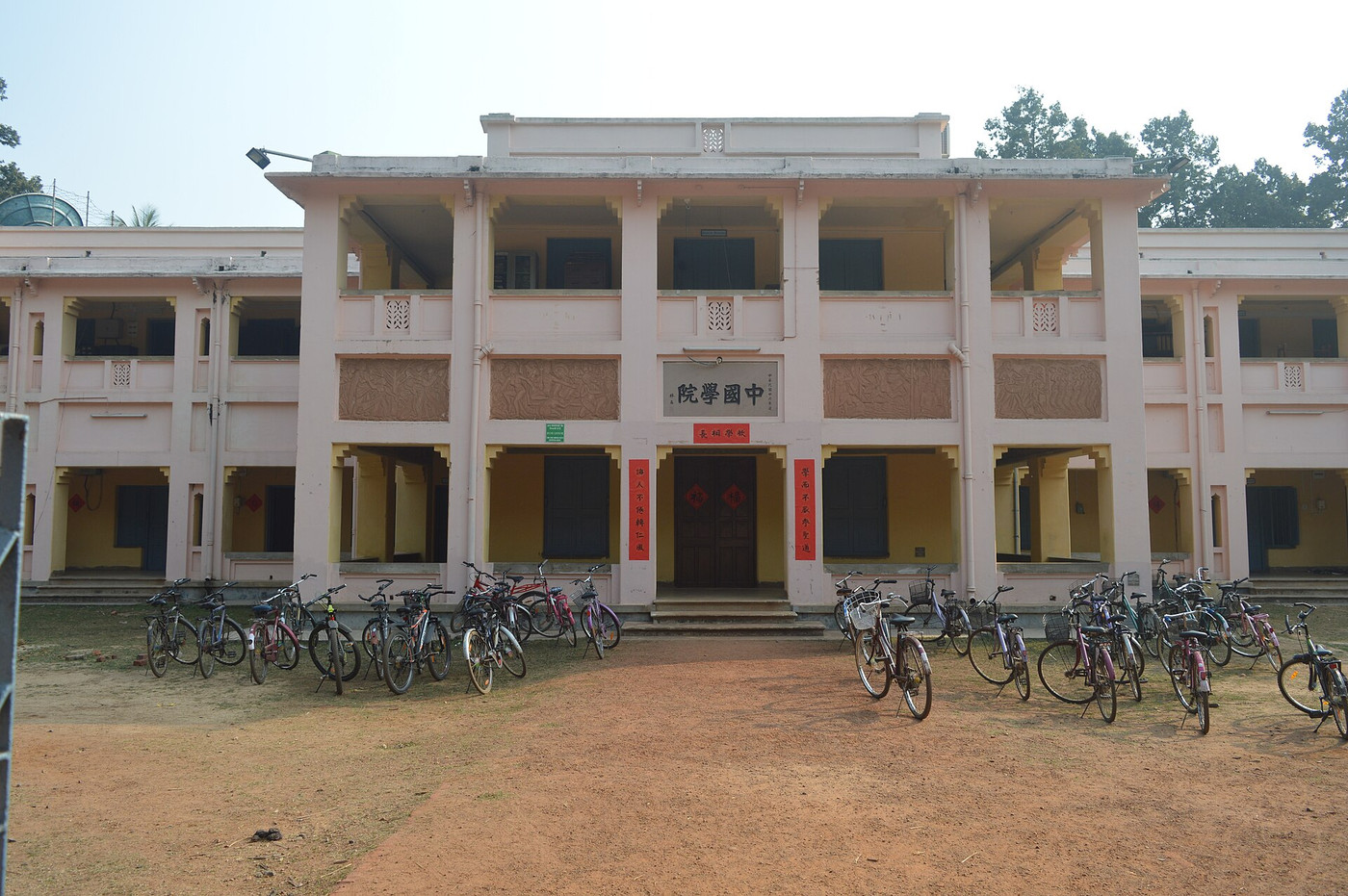
File photo: Bodhisattwa (CC BY-SA 4.0), via Wikimedia Commons
Visva-Bharati University has begun digitising rare manuscripts in its Lipika Manuscriptorium in Santiniketan under the Gyan Bharatam mission, reported 4 November 2026.
What Happened
Visva-Bharati University in Santiniketan, West Bengal, has begun digitising the rare manuscripts held in its Lipika Manuscriptorium, known locally as Lipika Puthisala, under the Centre's Gyan Bharatam mission for manuscript heritage. The work, reported on Wednesday, 4 November 2026, started soon after the Puja holidays, according to the university. Its spokesperson, Atig Ghosh, and Professor Sisir Sahana, who is in charge of the manuscriptorium and is also Principal of Kala Bhavana, informed the Union Education Minister and Minister of State Sukanta Majumdar of the start. The upgrade comes at no financial cost to the university, according to reports of the announcement.
Key Facts
- Institution: Visva-Bharati University, Santiniketan, West Bengal.
- Collection: the Lipika Manuscriptorium (Lipika Puthisala), described as holding thousands of rare ancient manuscripts along with archival documents and research materials.
- Programme: the work is part of Gyan Bharatam, the Ministry of Culture's national mission to survey, conserve and digitise India's manuscripts.
- Timing: digitisation began after the Puja holidays and was reported on Wednesday, 4 November 2026.
- Cost to the university: none, according to reports of the announcement.
- Users: the collection is used mainly by scholars, students and historians.
- Exact count: the university has not given a precise number of manuscripts in the reports so far.
Why It Matters
Handwritten manuscripts carry a large part of India's older learning, and they are fragile objects. Every time an original is handled, it wears a little more, and a damaged page cannot be replaced. That is why manuscript libraries limit access, and why many texts are studied by only a few specialists who can travel to see them.
Digitisation does two things at once. It creates a high-quality image that can be studied without touching the original, so the physical object is handled less and lasts longer. And it lets a researcher in another city, or another country, read a text that once required a trip to Santiniketan and permission to enter a reading room. For students of Indian knowledge systems, that changes what can be studied and by whom.
Gyan Bharatam is the government's attempt to do this at national scale. It grew out of the earlier National Mission for Manuscripts and, according to official descriptions, aims to survey, document, conserve and digitise more than one crore manuscripts across the country and build a National Digital Repository of Indian Knowledge Systems. The mission works through partner institutions; a Ministry of Culture briefing spoke of 25 clusters, 20 regional centres and ten centres of excellence. Visva-Bharati's move brings the Lipika collection into that national effort.
Peepals timeline: Gyan Bharatam took over from the National Mission for Manuscripts and was given its public launch at an international manuscript conference in New Delhi in September 2025, where a Gyan Bharatam portal was to be launched by the Prime Minister. Through 2026, state governments and institutions have joined, with Uttar Pradesh announcing a district-level manuscript digitisation drive under the mission in February 2026. On 4 November 2026, Visva-Bharati reported that digitisation of its Lipika collection had begun.
| Item | Detail |
|---|---|
| Collection | Lipika Manuscriptorium (Lipika Puthisala), Visva-Bharati |
| Work started | After the Puja holidays; reported 4 November 2026 |
| Mission | Gyan Bharatam, Ministry of Culture |
| National target | More than one crore manuscripts to be documented and digitised |
Impact
Short-term: Scanning and cataloguing will go on alongside the manuscriptorium's normal use. The university has not said when the digital copies will be available or whether they will be open to the public, so researchers will need to wait for those details.
Long-term: Once the images and catalogue records are complete, the collection can be linked to the national repository, making its texts searchable alongside those of other libraries. A digital copy also protects the content if the original is damaged.
Who is affected: researchers and students of Indian languages, history, philosophy and the arts; Visva-Bharati's own departments; and libraries and families who hold manuscripts and are watching how the national mission works in practice.
Key Takeaway
Visva-Bharati has started digitising the rare manuscripts of its Lipika Manuscriptorium under the Gyan Bharatam mission, a step towards keeping these fragile texts safe and making them easier to study.
Questions and Answers
What has Visva-Bharati started?
Visva-Bharati University has begun digitising the rare manuscripts in its Lipika Manuscriptorium in Santiniketan under the Gyan Bharatam mission. The start was reported on 4 November 2026.
What is the Gyan Bharatam mission?
It is the Ministry of Culture's national mission for manuscript heritage, which grew out of the National Mission for Manuscripts. It aims to survey, conserve and digitise more than one crore manuscripts and build a National Digital Repository of Indian Knowledge Systems.
Will the public be able to read the digitised manuscripts online?
That has not been announced. The reports so far do not say when or how the digital copies will be made available.
How many manuscripts are in the Lipika collection?
Reports describe the collection as holding thousands of rare ancient manuscripts, but no exact figure has been published.
Disclaimer: Prepared by the Peepals newsroom from publicly available sources with AI assistance. Information is accurate to the best of our knowledge at the time of publication and may change. Images may be representative. Not professional advice. Report an error via our contact page.
By Devansh Tiwari, Knowledge Systems WriterCovers Knowledge Systems and more for Peepals Sanskriti. All stories by Devansh Tiwari
Rashtriya Sanskriti Mahotsav in Tawang from November 12: 500 artistes expected
Ghana traditional medicine council urges codification, warns of drive on quacks
Get the day's stories in your inbox
Peepals Weekly: the week decoded, free. One email a week, unsubscribe in one click.
Devansh Tiwari is a pen name of the Peepals Global Editorial Team, which researches, fact-checks and publishes every story. The portrait is an illustration.