
Tawang conference studies how Buddhism spread across the Himalayas
 By Devansh TiwariKnowledge Systems Writer, Peepals Sanskriti
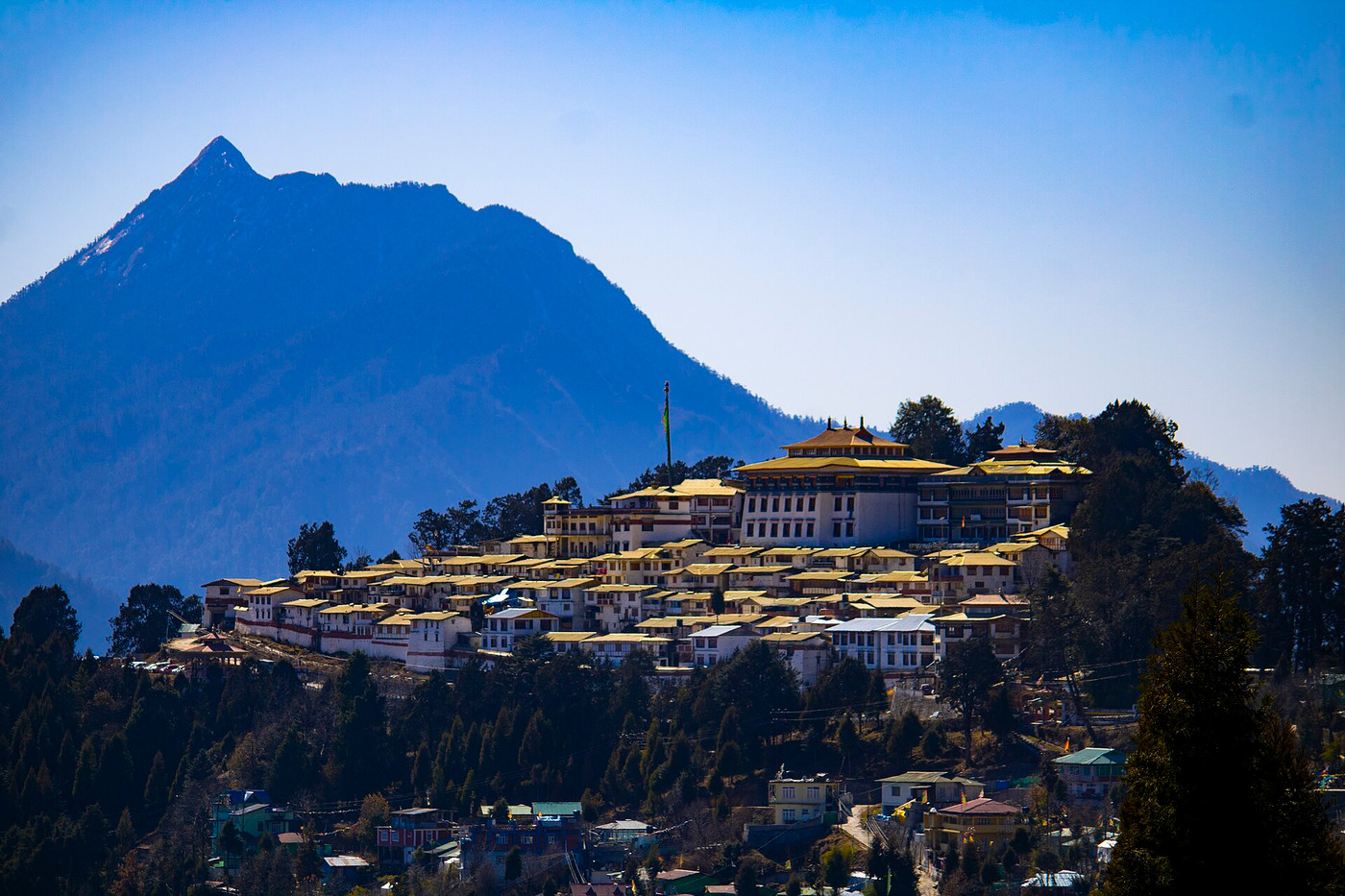
File photo: Chandrasen31 (CC BY-SA 4.0), via Wikimedia Commons
Scholars and monks met in Tawang on 2 November 2026 for an IBC conference on how Buddhism spread and how its lineages survive in the Himalayas.
What Happened
An international conference on how Buddhism spread across the Himalayas and beyond was held in Tawang, Arunachal Pradesh, on Monday, 2 November 2026. Titled "Buddhism: Dissemination in the Himalayan Region and Beyond", the day-long meeting at the Kalawangpo Convention Centre was organised by the International Buddhist Confederation (IBC) and the Arunachal Pradesh government, with support from the Union Ministry of Culture. It brought together religious leaders, scholars and experts from India and several other countries, and was held alongside the exposition of the Holy Relics of Lord Buddha in Tawang. Chief Minister Pema Khandu, the chief guest, said the Buddha's teachings offered a path towards peace, harmony and collective well-being.
Key Facts
- Event: international conference "Buddhism: Dissemination in the Himalayan Region and Beyond".
- Date and place: Monday, 2 November 2026, Kalawangpo Convention Centre, Tawang, Arunachal Pradesh.
- Organisers: International Buddhist Confederation and the Government of Arunachal Pradesh, supported by the Ministry of Culture.
- Format: a day-long programme with three thematic sessions on how Buddhism spread, changed and stays relevant in the Himalayas.
- One session dealt with historical and doctrinal continuity: how Buddhist texts and monastic lineages are passed down from one generation to the next, particularly in Arunachal Pradesh.
- Speakers included IBC Secretary General Shartse Khensur Rinpoche Jangchup Choeden and Rev Dramed Sungrab Tulku, abbot of the Tawang Gaden Namgyal Lhatse Monastery.
- The IBC also marked its 14th founding day at the event.
Why It Matters
Buddhism began in India, and its teachings travelled across the Himalayas through teachers, texts and monasteries. Holding the meeting in Tawang, whose Gaden Namgyal Lhatse Monastery was represented by its abbot, placed the discussion inside one of the communities that still carries those traditions. A conference that looks at how ideas travelled across mountains and borders, and how they were preserved, treats Buddhism as a subject of serious academic study and not only as a matter of faith.
The session on doctrinal continuity is the most useful for students of Indian knowledge traditions. The organisers described it as a look at how Buddhist texts and monastic lineages are handed down across generations. Looking at how that transmission works in Arunachal Pradesh, rather than only at famous centres elsewhere, adds the voice of a region that is often left out of the wider story.
The timing gave the conference a larger audience. It was held on the sidelines of the exposition of the Buddha's relics in Tawang, which draws pilgrims and visitors, and the Chief Minister linked the choice of venue to the presence of the relics. In his address, he urged people to draw on the Buddha's teachings of compassion and wisdom, and on the Middle Path, as a basis for peace at a time of rising conflict, and he restated the state government's commitment to protecting Buddhist heritage.
For Arunachal Pradesh, such gatherings also serve a practical purpose. They bring scholars, monks and officials from several countries to a remote border district, and they put the state's own monasteries and lineages on the academic map alongside better known Buddhist sites in India.
Peepals timeline: The exposition of the Holy Relics of Lord Buddha in Arunachal Pradesh began on Saturday, 31 October 2026; the IBC and the state government held the international conference in Tawang on Monday, 2 November 2026, during the exposition; and the exposition is scheduled to run until Saturday, 21 November 2026, according to reports of the event.
Impact
Short-term: Scholars, monks and students who took part leave with a shared set of papers and discussions on how Buddhism spread and survived in the Himalayas. Visitors to the relic exposition in Tawang also saw the region presented as a centre of learning.
Long-term: Regular conferences of this kind can help build a body of research on Himalayan Buddhist lineages, and on the role of Arunachal Pradesh in carrying them forward.
Who is affected: Students and researchers of Buddhist philosophy and Indian knowledge traditions, monastic institutions in Arunachal Pradesh and the wider Himalayas, pilgrims and visitors to Tawang, and the state's culture and tourism bodies.
What to watch next: The relic exposition in Arunachal Pradesh is scheduled to continue until 21 November 2026.
Key Takeaway
Tawang's 2 November 2026 conference brought scholars and monks together to study how Buddhist teachings and lineages spread and survived across the Himalayas.
Questions and Answers
What was the Tawang Buddhism conference about?
The conference, "Buddhism: Dissemination in the Himalayan Region and Beyond", examined how Buddhism spread, evolved and stays relevant in the Himalayas, including how texts and monastic lineages are passed down in Arunachal Pradesh.
Who organised the conference and when?
The International Buddhist Confederation and the Arunachal Pradesh government organised it, with support from the Union Ministry of Culture, at the Kalawangpo Convention Centre in Tawang on 2 November 2026.
What did Pema Khandu say at the conference?
The Chief Minister said the Buddha's teachings offered a path towards peace, harmony and collective well-being, urged people to follow the Middle Path and reaffirmed the state's commitment to safeguarding Buddhist heritage.
Why was the conference held in Tawang?
It was held alongside the exposition of the Holy Relics of Lord Buddha in Tawang, which the Chief Minister cited as a reason for the choice of venue.
Disclaimer: Prepared by the Peepals newsroom from publicly available sources with AI assistance. Information is accurate to the best of our knowledge at the time of publication and may change. Images may be representative. Not professional advice. Report an error via our contact page.
By Devansh Tiwari, Knowledge Systems WriterCovers Knowledge Systems and more for Peepals Sanskriti. All stories by Devansh Tiwari
Haryana food tests: 170 of 861 sweet, paneer samples fail before Diwali
World Conference on Traditional Medicine: plant pact, AI patent report released
Get the day's stories in your inbox
Peepals Weekly: the week decoded, free. One email a week, unsubscribe in one click.
Devansh Tiwari is a pen name of the Peepals Global Editorial Team, which researches, fact-checks and publishes every story. The portrait is an illustration.