
Swapping dairy for unfortified plant milks may cut iodine intake, study finds
 By Devansh TiwariKnowledge Systems Writer, Peepals Sanskriti
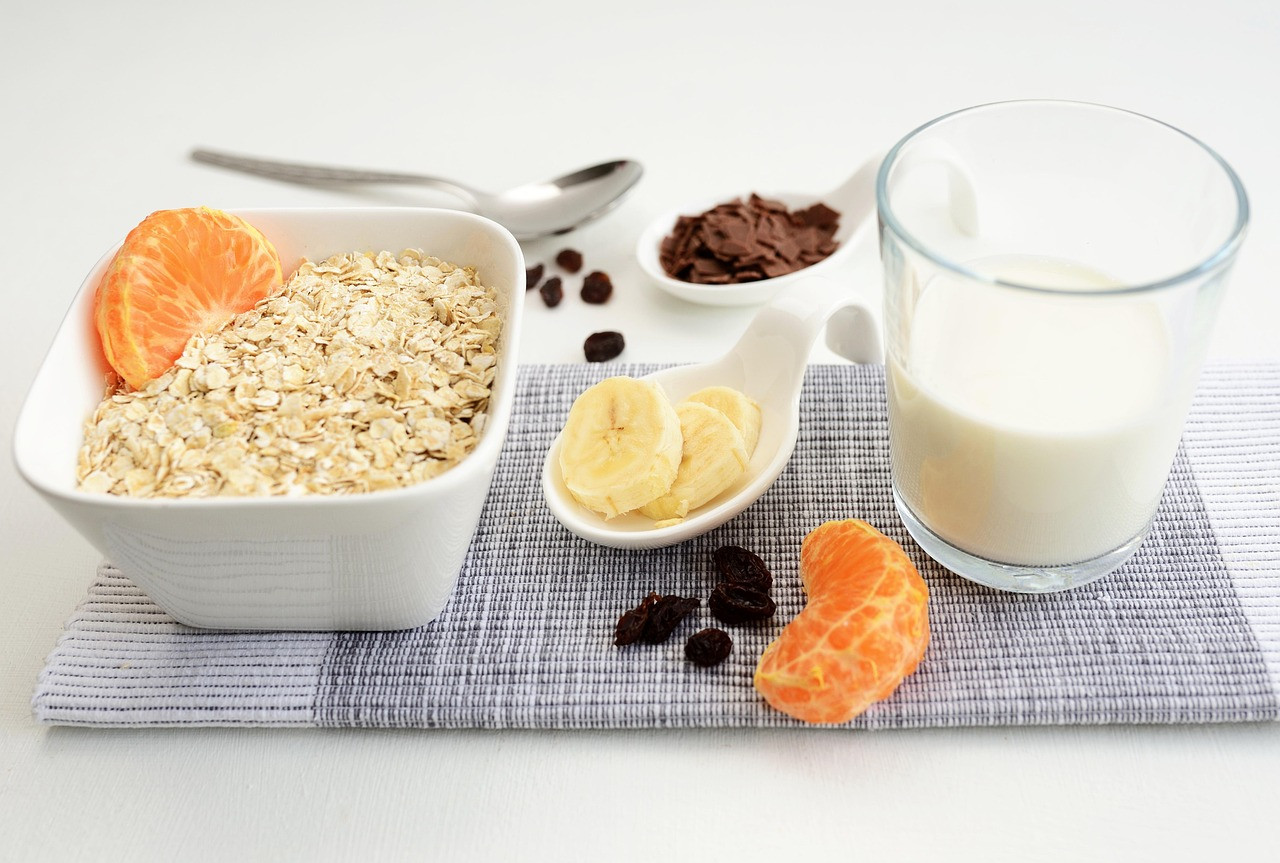
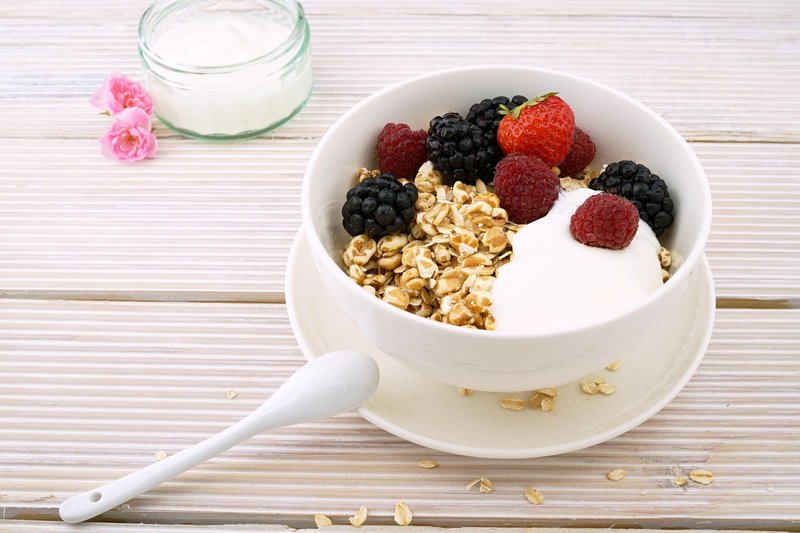
Representative image: congerdesign / Pixabay
A UK modelling study published on 4 November 2026 finds that replacing dairy with unfortified plant-based milks, yoghurts and cheeses may lower iodine and B12.
What Happened
Replacing dairy foods with plant-based milks, yoghurts and cheeses that are not fortified could leave people short of important nutrients, especially iodine, according to a modelling study published in The Lancet Planetary Health on Wednesday, 4 November 2026. The study, led by researchers at the University of Surrey in the United Kingdom, used national diet data and the nutrient content of hundreds of plant-based products sold in the UK. The authors suggest that compulsory fortification of plant-based alternatives and some other foods, such as bread, could reduce the risk.
Key Facts
- Study: a dietary modelling study in The Lancet Planetary Health, published on 4 November 2026, led by the University of Surrey; reports in Northern Ireland also credited Queen's University Belfast.
- Data: UK national diet survey records covering more than 3,500 people aged from 18 months to 100 years.
- Products modelled: 146 plant-based milks, 76 yoghurts and 67 cheeses sold in the UK.
- Fortification found: 61% of the products had added calcium and 46% had added vitamin B12, but only 19% had added riboflavin (vitamin B2) and 12% had added iodine.
- Partial swap: replacing a third of dairy intake with plant-based versions lowered iodine intake by 9% to 21% in the model.
- Iodine deficiency: in the model, the share of adolescent girls below the iodine requirement rose from 54% to 65%, and among women aged 19 to 49 from 32% to 42%.
- Suggested response: mandatory fortification of plant-based alternatives and other foods, including bread.
Why It Matters
Milk, curd, buttermilk, ghee and paneer sit at the heart of traditional Indian food, and dairy has long been one of the main sources of calcium and other nutrients in many Indian homes. At the same time, oat, almond, soy and other plant-based drinks have become common in city supermarkets and cafes. This study does not look at Indian diets or Indian products, but it raises a question that applies anywhere: when a traditional food is replaced, are the nutrients it supplied replaced too?
The answer in the UK model depends on fortification. Most plant-based products carried added calcium, and nearly half had added vitamin B12, but very few had added iodine. Iodine is an essential nutrient, and the modelled shortfalls were largest for teenage girls and young women.
The findings need careful reading. This is a modelling study, which estimates what would happen if people changed their diets in particular ways; it did not follow real people who made the switch. The figures apply to UK diets and UK products. Where people get their iodine differs from country to country, so the effect elsewhere could be different. The study offers no personal dietary advice, and anyone with concerns should speak to a doctor or dietitian.
Peepals calculation: The study modelled 289 plant-based products in all (146 + 76 + 67). In the model, iodine deficiency among adolescent girls rose by 11 percentage points (65 − 54), a relative increase of about 20% (11 ÷ 54); among women aged 19 to 49 it rose by 10 points (42 − 32), about 31% more (10 ÷ 32). Our calculation from the reported figures.
| Nutrient | Share of UK plant-based products with it added |
|---|---|
| Calcium | 61% |
| Vitamin B12 | 46% |
| Riboflavin (B2) | 19% |
| Iodine | 12% |
Impact
Short-term: The study adds to pressure on makers of plant-based dairy alternatives to fortify their products with iodine and riboflavin, not only calcium and B12.
Long-term: If regulators in the UK act on the authors' suggestion, mandatory fortification could become part of food rules for plant-based products. Other countries, including India, may watch how such rules develop as these products grow in popularity.
Who is affected: People who are cutting down on dairy, especially teenage girls and young women; makers and sellers of plant-based milks, yoghurts and cheeses; nutrition policymakers; and families weighing traditional dairy against newer alternatives.
Key Takeaway
A UK modelling study published on 4 November 2026 finds that swapping dairy for unfortified plant-based alternatives could raise iodine deficiency, because only 12% of the products studied had added iodine.
Questions and Answers
What did the Surrey study on plant-based dairy alternatives find?
It found that replacing dairy with unfortified plant-based milks, yoghurts and cheeses could lower intake of iodine and other nutrients. Replacing a third of dairy cut modelled iodine intake by 9% to 21%.
Are plant-based milks fortified?
Some are. Of the 289 UK products studied, 61% had added calcium and 46% had added vitamin B12, but only 19% had added riboflavin and 12% had added iodine.
Who is most at risk, according to the study?
Teenage girls and young women. In the model, iodine deficiency among adolescent girls rose from 54% to 65% and among women aged 19 to 49 from 32% to 42%.
Does this apply to India?
Not directly. The study used UK diets and UK products. Diets and iodine sources differ in India, so the effect could be different.
Disclaimer: Prepared by the Peepals newsroom from publicly available sources with AI assistance. Information is accurate to the best of our knowledge at the time of publication and may change. Images may be representative. Not professional advice. Report an error via our contact page.
By Devansh Tiwari, Knowledge Systems WriterCovers Knowledge Systems and more for Peepals Sanskriti. All stories by Devansh Tiwari
Mori Gate khoya raid: Delhi destroys 7,000 kg as 35 of 44 samples fail
Rashtriya Sanskriti Mahotsav in Tawang from November 12: 500 artistes expected
Get the day's stories in your inbox
Peepals Weekly: the week decoded, free. One email a week, unsubscribe in one click.
Devansh Tiwari is a pen name of the Peepals Global Editorial Team, which researches, fact-checks and publishes every story. The portrait is an illustration.