
Vitamin B1 deficiency: one in five mothers low in Assam, Tripura, NIN finds
 By Devansh TiwariStaff Writer, Peepals Sanskriti
Representative image: pictavio / Pixabay
An ICMR-NIN study reported in November 2026 found 20.1% of 1,083 pregnant and nursing women in Assam and Tripura had low vitamin B1.
Vitamin B1 deficiency: what happened
About one in five pregnant and breastfeeding women surveyed in villages of Assam and Tripura had low levels of vitamin B1 (thiamine), according to a study by the ICMR-National Institute of Nutrition (ICMR-NIN), Hyderabad, whose findings were reported in mid-November 2026. The researchers linked the shortfall to monotonous rice-based meals and to everyday kitchen habits such as washing rice again and again, eating stored rice, drinking salted tea and chewing betel nut. The paper appears in the Annals of the New York Academy of Sciences under the title "Re-Emergence of Thiamine Deficiency Among Pregnant and Lactating Women in Northeast India".
Vitamin B1 deficiency: key facts
- Who was studied: 1,083 pregnant and lactating women from 120 villages in Assam and Tripura.
- When: the community survey was carried out in 2023 and 2024.
- Where: villages chosen because they had earlier clusters of suspected beriberi, the disease caused by severe thiamine deficiency.
- Results: 4.9% of the women were thiamine deficient and 15.2% had marginal levels, a total of 20.1% with suboptimal status, measured through thiamine diphosphate (ThDP) in blood.
- Pregnant women were worse off than breastfeeding women, the study found.
- Habits linked to higher risk: stored rice, repeated rice washing before cooking, betel nut chewing and salted tea, alongside social and economic disadvantage.
- Lead scientist: Dr Mahesh Kumar Mummadi of ICMR-NIN; the institute's director, Dr Bharati Kulkarni, called for diverse diets, regular nutrition surveillance and timely supplementation in high-risk areas.
Vitamin B1 deficiency: why it matters
Thiamine is one of the B vitamins the body cannot store for long. It helps turn food into energy and keeps nerves and the heart working. A mother who is short of it can pass the shortage on to her baby through breast milk, and in infants severe deficiency can show up as infantile beriberi, which can affect the heart and nervous system. That is why the study looked at women in pregnancy and breastfeeding, when the need for the vitamin rises.
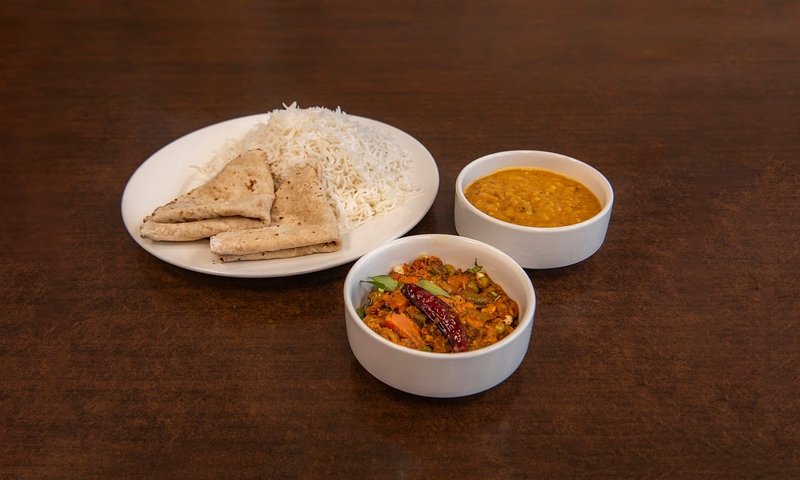
The findings touch a part of Indian food culture that most households take for granted. Rice is the staple across the Northeast, and polished white rice already carries little thiamine because most of it sits in the outer bran layer that milling removes. Washing the grains many times and soaking them can rinse away part of what remains, and rice kept for long periods loses more. Tea leaves and betel nut contain substances that work against the vitamin. The study does not say rice is harmful; it says that a plate made up almost only of rice, prepared in these ways, leaves little room for the vitamin.
There is also a history behind the work. ICMR-NIN began in 1918 as the Beri-Beri Enquiry Unit, set up to investigate exactly this deficiency. More than a century later, its own researchers are describing a re-emergence of the problem in pockets of the country.
The authors were careful about the limits. Because the villages were picked for their past beriberi clusters, the results may not represent pregnant and breastfeeding women in other parts of India. The study measured blood levels and habits at one point in time, so it shows links, not proof that any one habit caused the deficiency.
Peepals calculation: the study's two groups add up to its headline figure: 4.9% deficient plus 15.2% marginal gives 20.1%. Applied to the 1,083 women, that is about 218 women with suboptimal thiamine (1,083 x 0.201 = 217.7), of whom about 53 were deficient (1,083 x 0.049) and about 165 marginal (1,083 x 0.152). Our calculation from the reported figures.
| Group | Share of women | Approximate number of 1,083 |
|---|---|---|
| Thiamine deficient | 4.9% | about 53 |
| Marginal status | 15.2% | about 165 |
| Suboptimal in total | 20.1% | about 218 |
Vitamin B1 deficiency: impact
Short-term: Health workers and nutrition programmes in the surveyed districts of Assam and Tripura now have measured evidence of where pregnant and nursing women are short of thiamine, which can guide screening and supplements under existing maternal health schemes.
Long-term: The study adds weight to calls, voiced by the institute's director, for diverse diets and regular nutrition surveillance in high-risk regions, and may shape how maternal nutrition advice is given in rice-eating communities.
Who is affected: Pregnant and breastfeeding women in rice-dependent households in the Northeast, their infants, frontline workers such as ASHAs and anganwadi workers, and state nutrition programmes.
Vitamin B1 deficiency: key takeaway
Families in rice-eating regions should watch for official nutrition guidance that follows this study, especially on how rice is stored and washed and on adding pulses, vegetables and other foods to the plates of expectant and new mothers.
Vitamin B1 deficiency: questions and answers
What is vitamin B1 and why do pregnant women need more of it?
Vitamin B1, or thiamine, helps the body convert food into energy and supports the nerves and heart. Needs rise in pregnancy and breastfeeding because the mother is also supplying the growing or nursing baby.
Does washing rice really reduce its vitamin B1?
Thiamine dissolves in water, so repeated washing and soaking of rice can remove part of it. The ICMR-NIN researchers found repeated washing was among the habits linked with higher odds of deficiency in the women they studied.
Do the findings apply to all of India?
No. The researchers chose villages with past clusters of suspected beriberi, so they cautioned that the results may not represent women in other regions.
What did ICMR-NIN suggest should be done?
The institute's director, Dr Bharati Kulkarni, said diverse diets, regular nutrition surveillance and timely supplementation in high-risk regions could help. Any personal supplement decision should be taken with a doctor.
Disclaimer: Prepared by the Peepals newsroom from publicly available sources with AI assistance. Information is accurate to the best of our knowledge at the time of publication and may change. Images may be representative. Not professional advice. Report an error via our contact page.
By Devansh Tiwari, Staff WriterCovers Knowledge Systems and more for Peepals Sanskriti. All stories by Devansh Tiwari
TG SAFE suspends four Hyderabad eateries' licences, asks Swiggy, Zomato to delist
IIT Bhilai, Seoul National University hold conference on India's intellectual traditions
Your week ahead, every Sunday. Free.
Exam and result dates, IPOs opening, scheme deadlines, government holidays and the RBI decision for the next 7 days, plus the week's top stories. One email a week, unsubscribe in one click.
Devansh Tiwari is a pen name of the Peepals Global Editorial Team, which researches, fact-checks and publishes every story. The portrait is an illustration.
Responsible for this story: the Peepals Global Editorial Team, led by editor Prashant Sonar. How we report