
FSSAI acts against six nutraceutical makers; biotin found 2.5 times limit
 By Devansh TiwariStaff Writer, Peepals Sanskriti
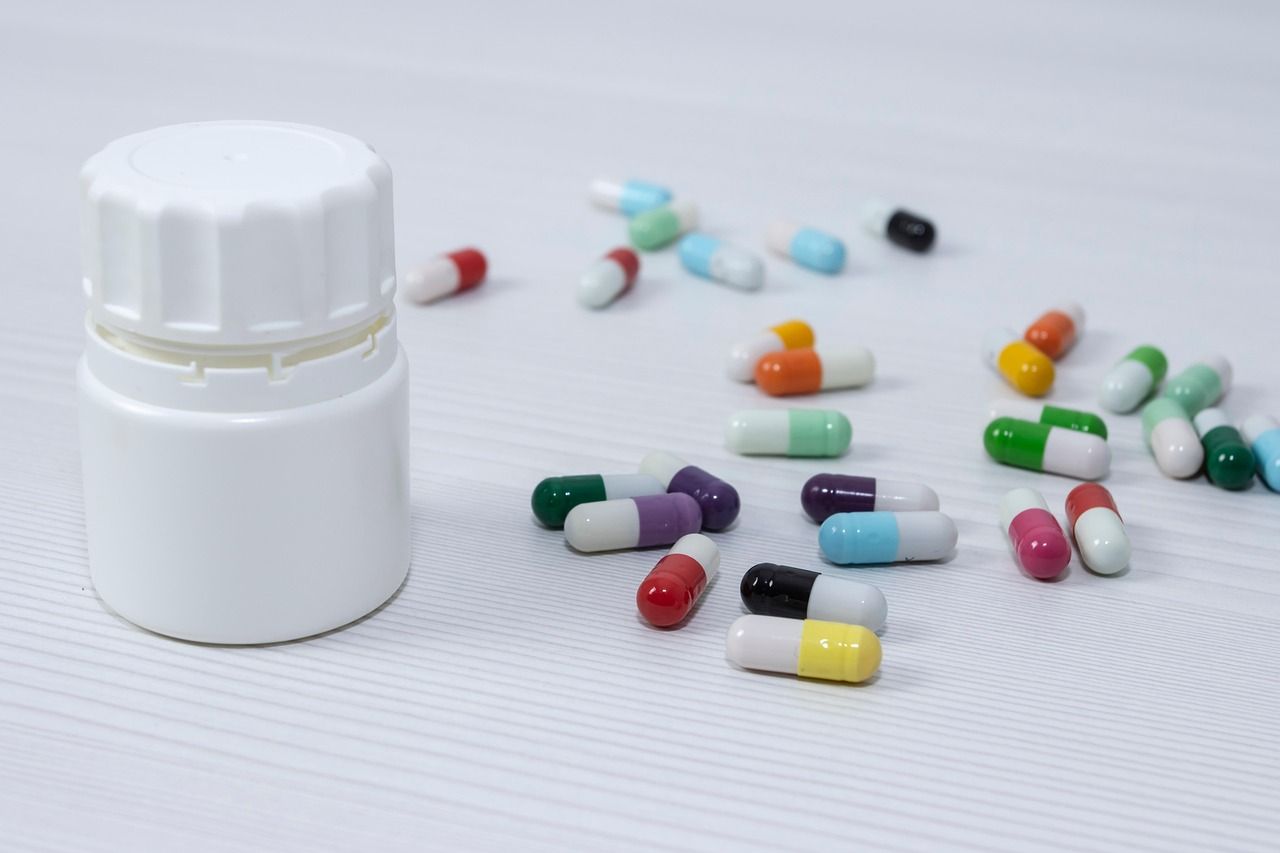
Representative image: AVAKAphoto / Pixabay
FSSAI said on 16 November 2026 it acted against six nutraceutical makers, suspending licences over excess vitamins, banned ingredients and hygiene lapses.
What Happened
The Food Safety and Standards Authority of India (FSSAI) said on Monday, 16 November 2026, that it had taken regulatory action against six nutraceutical manufacturers, including suspending licences, after inspections found violations of food safety rules. According to the regulator, the problems included vitamins and minerals above permitted limits, prohibited ingredients, unapproved health claims, expired raw materials and poor hygiene. The firms named in reports of the action are Airen Herbals, Supercure Biotech, Aquabliss Lifesciences, Raskam Healthcare, Ambico Ayurvedic Healthcare and Vedant Remedies.
FSSAI nutraceutical: key facts
- Regulator: the Food Safety and Standards Authority of India (FSSAI).
- Date announced: Monday, 16 November 2026.
- Firms named: Airen Herbals, Supercure Biotech, Aquabliss Lifesciences, Raskam Healthcare, Ambico Ayurvedic Healthcare and Vedant Remedies.
- Action: regulatory measures including suspension of licences; reports do not make clear which penalty applied to each firm.
- In a syrup made by Airen Herbals, inspectors found thiamin, vitamin E acetate, copper, selenium and zinc above the limits set per serving, according to the FSSAI.
- A pain-relief product from the same firm was flagged for unauthorised claims about knee relief.
- A softgel from Supercure Biotech reportedly contained 100 micrograms of biotin against a maximum permitted level of 40 micrograms.
- Other violations listed: prohibited ingredients, expired raw materials and poor hygiene at manufacturing sites.
FSSAI nutraceutical: why it matters
Nutraceuticals are foods sold for a health benefit: vitamin syrups, mineral tablets, protein powders, herbal capsules and similar products. In India they are regulated as food by the FSSAI, not as medicines. That means they do not go through drug trials, but they must follow food safety rules, including maximum amounts of each nutrient per serving, limits on which ingredients can be used, and a ban on claims to treat or cure disease.
The limits are linked to the recommended dietary allowance (RDA), the amount of a nutrient that meets the daily needs of most healthy people. A product that packs several times the permitted amount into one serving can push a person's daily intake well beyond what is considered safe, especially if they take more than one supplement or eat fortified foods.
The action also touches the line between food and medicine. A product sold as a food supplement that claims to relieve knee pain is making a treatment claim, which food rules do not allow without approval. This matters for buyers who may take such a product instead of seeing a doctor.
The FSSAI has stepped up inspections of manufacturing units in recent months, according to reports on the action. Earlier in November it reported a nationwide food safety drive in which 52 licences were cancelled. The latest step shows the same approach being applied to the fast-growing supplement market, where many products, including some sold under Ayurvedic names, are made by small firms.
For readers, the practical points are simple: check that a supplement carries an FSSAI licence number, be wary of products that promise to cure or relieve a disease, and talk to a doctor before taking high-dose vitamins or several supplements together.
Peepals calculation: the Supercure Biotech softgel's reported biotin content of 100 micrograms is 2.5 times the 40-microgram maximum (100 ÷ 40 = 2.5), or 150% above the limit. Our calculation from the reported figures.
| Firm | What the FSSAI flagged |
|---|---|
| Airen Herbals | Syrup with thiamin, vitamin E, copper, selenium, zinc above limits; knee-relief claim |
| Supercure Biotech | Softgel with 100 mcg biotin against a 40 mcg maximum |
| Four other firms | Excess nutrients, prohibited ingredients, expired raw materials or hygiene lapses, per reports |
Impact
Short-term: Products from the firms whose licences are suspended cannot be lawfully made or sold until the suspension is lifted, and retailers may pull stock.
Long-term: Closer inspection of supplement makers may push the industry to test products more carefully and drop unapproved health claims.
Who is affected: Buyers of vitamin, mineral and herbal supplements; the six manufacturers and their distributors; and pharmacies and online sellers that stock nutraceuticals.
Key Takeaway
The FSSAI has acted against six nutraceutical makers, including suspending licences, after finding excess vitamins and minerals, prohibited ingredients, unapproved claims and hygiene lapses.
Questions and Answers
Which nutraceutical companies did FSSAI act against?
Reports of the 16 November 2026 action name Airen Herbals, Supercure Biotech, Aquabliss Lifesciences, Raskam Healthcare, Ambico Ayurvedic Healthcare and Vedant Remedies.
Why did FSSAI suspend nutraceutical licences?
The regulator said inspections found nutrients above permitted per-serving limits, prohibited ingredients, unapproved health claims, expired raw materials and poor hygiene.
Are nutraceuticals regulated as medicines in India?
No. Nutraceuticals and health supplements are regulated as food by the FSSAI, which sets nutrient limits and bars claims to treat or cure disease.
How much biotin was found in the Supercure Biotech product?
Reports say the softgel contained 100 micrograms of biotin, against a maximum permitted level of 40 micrograms, or 2.5 times the limit.
Disclaimer: Prepared by the Peepals newsroom from publicly available sources with AI assistance. Information is accurate to the best of our knowledge at the time of publication and may change. Images may be representative. Not professional advice. Report an error via our contact page.
By Devansh Tiwari, Staff WriterCovers Knowledge Systems and more for Peepals Sanskriti. All stories by Devansh Tiwari
Get the day's stories in your inbox
Peepals Weekly: the week decoded, free. One email a week, unsubscribe in one click.
Devansh Tiwari is a pen name of the Peepals Global Editorial Team, which researches, fact-checks and publishes every story. The portrait is an illustration.
Responsible for this story: the Peepals Global Editorial Team, led by editor Prashant Sonar. How we report