
Maldon salt row: '100% sea salt' flakes made using German rock salt
 By Ishita SenStaff Writer, Peepals Sanskriti
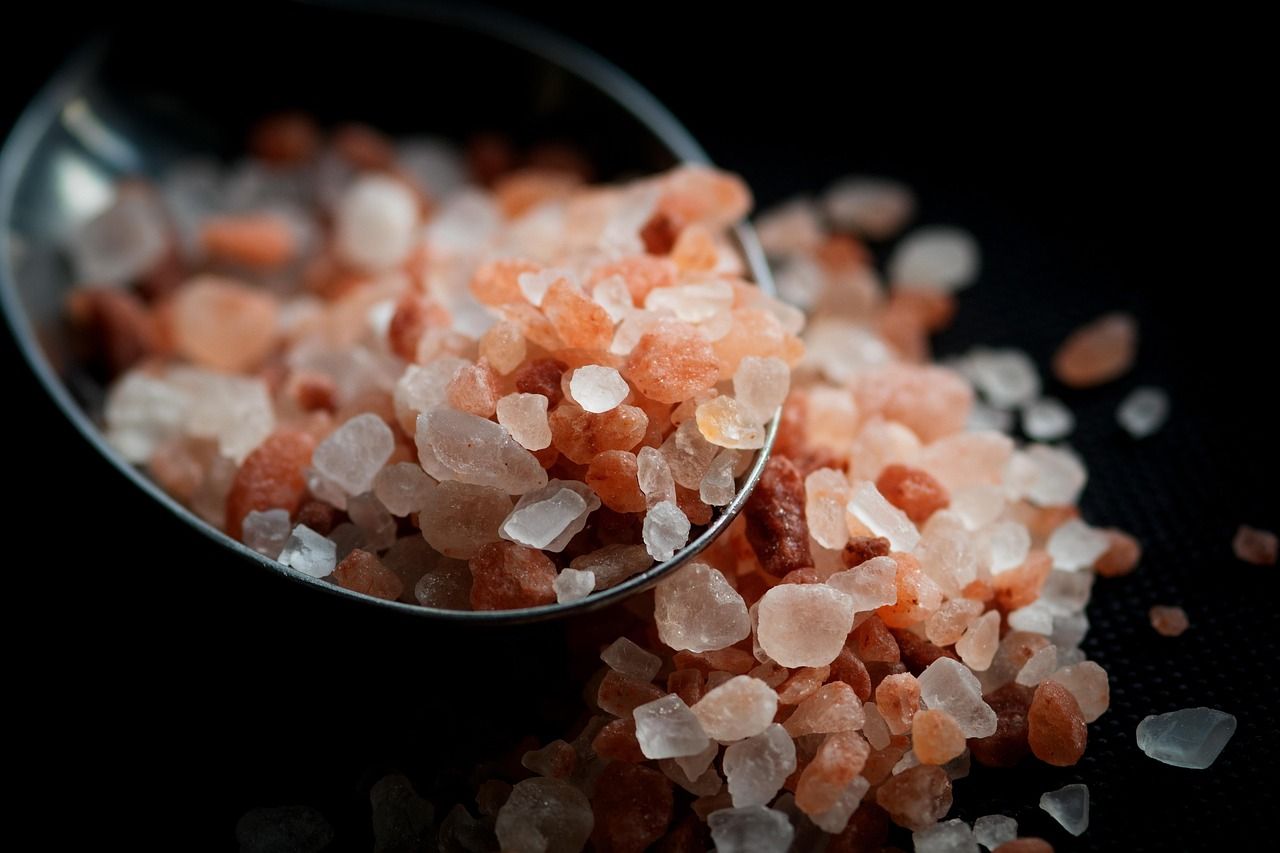
Representative image: Topi_Pigula / Pixabay
A newspaper investigation found Maldon mixes imported German rock salt with Essex seawater to make its sea salt flakes; Maldon says rock salt is ancient sea salt.
What Happened
Maldon Salt, the British brand whose pyramid-shaped flakes are sold in kitchens and restaurants around the world as "100% sea salt", makes its product using imported German rock salt mixed with seawater from Essex, according to a British newspaper investigation published in mid-November 2026. The investigation reported that bags of rock salt carrying the branding of the German producer K+S were delivered to the company and combined with water from the Blackwater Estuary in what it described as a "salt-on-salt" process. Deliveries were reported at about 12 tonnes a lorry, suggesting roughly 50 tonnes of rock salt a week. A Maldon spokesperson said that "rock salt is ancient sea salt, from evaporated prehistoric seas", and the company updated its website after being approached by the journalists.
Maldon salt: key facts
- Brand: Maldon Salt, based in Maldon, Essex, England.
- Finding: imported German rock salt is mixed with Blackwater Estuary seawater to make the flakes, according to the investigation.
- Supplier branding seen: German salt producer K+S.
- Scale reported: lorry deliveries of about 12 tonnes, roughly 50 tonnes of rock salt a week.
- Maldon's position: rock salt is ancient sea salt from evaporated prehistoric seas, so it can still describe the product as 100% sea salt flakes.
- Website: Maldon updated its website after journalists approached it, according to reports.
- Rules: there is no legal definition of sea salt in the UK that separates it from other grades of salt, the investigation reported.
- Nutrition: rock salt and sea salt are chemically the same, and a dietitian quoted in coverage of the row said the change would not make a meaningful nutritional difference.
Maldon salt: why it matters
The row is about labels and trust rather than health. Shoppers pay more for "sea salt" because the words suggest something natural, local and different from ordinary table salt. When a premium brand turns out to rely partly on salt dug from the ground in another country, buyers can feel misled even if nothing illegal has happened and the salt is just as safe.
The science is straightforward. Rock salt was itself formed from seas that dried up millions of years ago, and both kinds are mostly sodium chloride. That is the basis of Maldon's defence. But food labels work on more than chemistry: they carry ideas about place, tradition and method, and many customers would assume "sea salt" means salt made from today's seawater.
For readers in India, the story has a familiar ring. Indian kitchens use several salts, from common iodised salt to sendha namak, a rock salt used during fasts, and kala namak, the black salt with its sulphurous taste. Each carries its own associations of tradition and purity, and the same questions arise: what does a label promise, and what is actually in the packet? Whatever the salt, health advice on how much to eat is the same, since too much sodium is linked to high blood pressure; the type of salt does not change that.
Peepals calculation: At about 12 tonnes a lorry and roughly 50 tonnes a week, that is about four deliveries a week (50 ÷ 12 ≈ 4.2), and about 2,600 tonnes of rock salt a year if the pace held for 52 weeks (50 × 52). Our calculation from the reported figures; the company has not published its volumes.
| Point | What was reported |
|---|---|
| Ingredient | Imported German rock salt plus Essex seawater |
| Supplier branding | K+S |
| Weekly volume | About 50 tonnes of rock salt |
| Maldon's view | Rock salt is ancient sea salt |
| UK legal definition of sea salt | None, according to the investigation |
Impact
Short-term: Maldon faces questions from shoppers and retailers about its "100% sea salt" claim, and has already changed its website wording.
Long-term: The row could prompt calls for a clearer legal definition of "sea salt" on labels, and lead other premium salt brands to explain their methods more openly.
Who is affected: Maldon Salt and its customers, chefs and shops that sell premium salt, and regulators responsible for food labelling.
Key Takeaway
An investigation found Maldon's "100% sea salt" flakes are made using imported German rock salt mixed with Essex seawater; the company says rock salt is simply ancient sea salt, and the row is about labelling, not safety.
Questions and Answers
Does Maldon salt use German rock salt?
Yes. According to a newspaper investigation, Maldon mixes imported German rock salt, in bags branded by producer K+S, with Essex seawater to make its flakes.
What has Maldon said about the rock salt?
A Maldon spokesperson said rock salt is ancient sea salt from evaporated prehistoric seas, and the company maintains it can still call its product 100% sea salt flakes.
Is Maldon salt less healthy because of the rock salt?
No difference has been reported. Rock salt and sea salt are chemically the same, and a dietitian quoted in coverage of the row said the change would not meaningfully affect nutrition.
Is there a legal definition of sea salt in the UK?
According to the investigation, there is no legal definition of sea salt that distinguishes it from other grades of salt.
Disclaimer: Prepared by the Peepals newsroom from publicly available sources with AI assistance. Information is accurate to the best of our knowledge at the time of publication and may change. Images may be representative. Not professional advice. Report an error via our contact page.
By Ishita Sen, Staff WriterCovers Culture & Heritage and more for Peepals Sanskriti. All stories by Ishita Sen
Bali Jatra 2026: President Murmu to open Cuttack fair on November 24, a first
UNESCO intangible heritage 2026: 64 nominations go to Xiamen meeting
Your week ahead, every Sunday. Free.
Exam and result dates, IPOs opening, scheme deadlines, government holidays and the RBI decision for the next 7 days, plus the week's top stories. One email a week, unsubscribe in one click.
Ishita Sen is a pen name of the Peepals Global Editorial Team, which researches, fact-checks and publishes every story. The portrait is an illustration.
Responsible for this story: the Peepals Global Editorial Team, led by editor Prashant Sonar. How we report