
Peels and stems hold more fibre in 10 of 12 foods: study
 By Ananya RaoAyush & Wellness Correspondent, Peepals Sanskriti
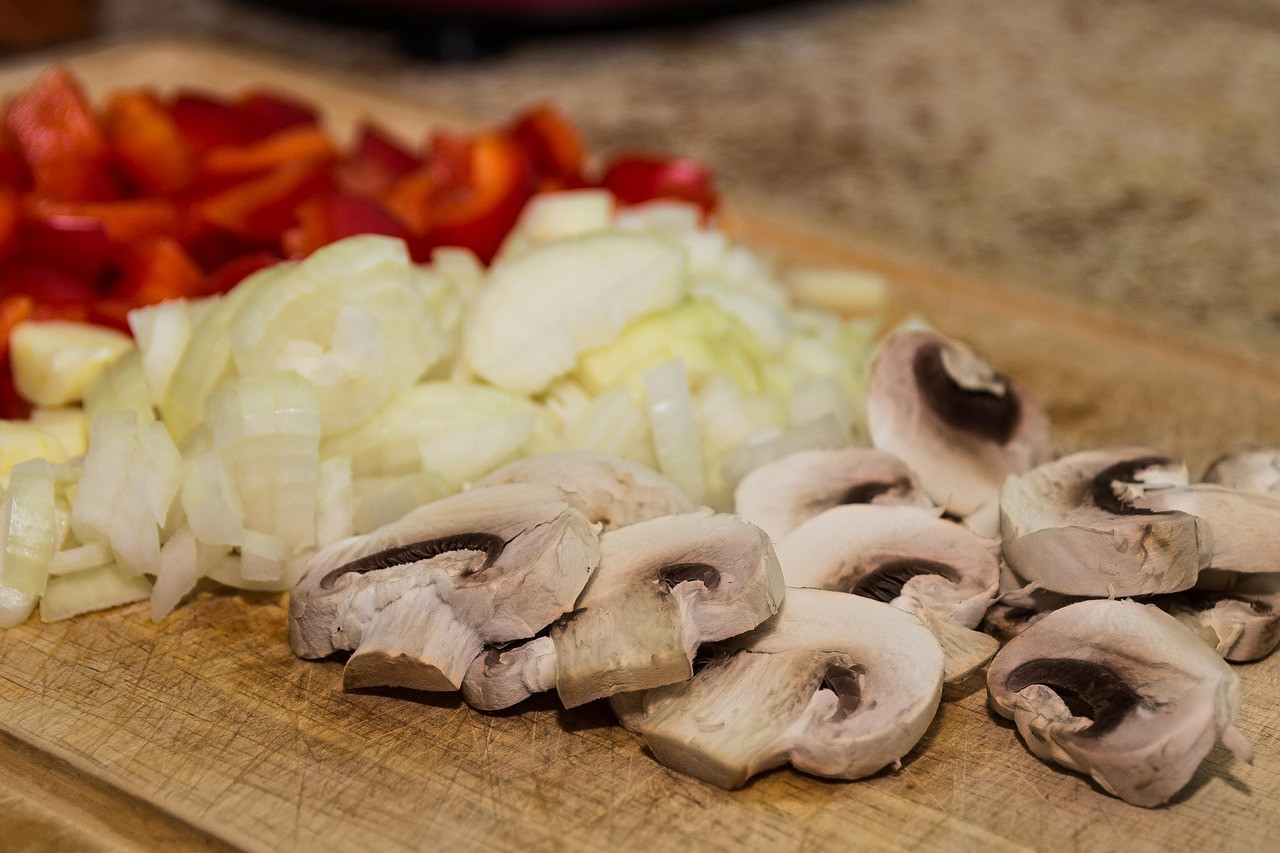
Representative image: niekverlaan / Pixabay
A King's College London study reported on October 29, 2026 found usually discarded peels, stems and seeds hold more fibre than the eaten parts in 10 of 12 foods.
What Happened
Researchers at King's College London have found that the parts of fruits and vegetables most people throw away, such as peels, stems, cores and seeds, contain more fibre than the parts usually eaten in 10 out of 12 common types of produce. The study, published in the International Journal of Food Sciences and Nutrition and reported on Thursday, October 29, 2026, tested produce commonly used in British catering kitchens, including butternut squash, bell peppers, broccoli, kiwi fruit, pineapple and watermelon. The researchers call this way of eating the whole plant "root-to-tip".
Key Facts
- The study was carried out by researchers at King's College London and published in the International Journal of Food Sciences and Nutrition.
- Twelve types of produce common in UK foodservice were tested, among them butternut squash, bell peppers, broccoli, kiwi fruit, pineapple and watermelon.
- In 10 of the 12, the usually discarded "root-to-tip" parts had more fibre than the usual edible parts.
- These discarded parts made up between 25% and 48% of each item's total weight.
- Reports on the study say the discarded parts can hold up to five times more fibre than the parts normally eaten.
- Lead author Georgia Browne said people taking part saw nutrition, especially fibre, as a stronger reason to eat this way than protecting the environment.
- A separate King's project is testing root-to-tip dishes in the university's own food outlets; early results suggest swapping flesh for parts such as squash peel can raise a meal's fibre by up to 15%.
Why It Matters
Fibre is the part of plant food that the body cannot fully digest. The researchers' own framing is that root-to-tip eating could help people get more of it, and the study suggests that some of it is sitting in kitchen bins: a quarter to nearly half of the weight of some common fruits and vegetables is being thrown away, and in most of the items tested that portion was the richer source of fibre.
The finding will sound familiar in many Indian homes. Using the whole vegetable, including peels and stalks, in chutneys, stir-fries and dals is part of several regional cooking traditions, often for reasons of thrift and taste. This study gives a measured, laboratory basis for one benefit of such habits, though it tested produce used in British kitchens and did not study Indian recipes.
There is also a waste angle. Food thrown away in catering kitchens is a cost to businesses and adds to landfill. If the discarded parts can be cooked into appealing dishes, kitchens can serve more fibre while buying the same amount of produce. That is why the researchers are now testing root-to-tip dishes on real diners in the university's food venues, where they will look at sales, how acceptable diners find the food and how much is left on plates.
The study has limits. It measured fibre in the produce, not what happens in the body when people eat these parts, and the authors set out further limitations in the paper. It does not say all peels are safe or pleasant to eat. Some produce may carry pesticide residue or soil on its skin, so washing remains important, and readers with digestive conditions should follow their doctor's advice on fibre.
| Produce tested (examples) | What the study found |
|---|---|
| Butternut squash, bell peppers, broccoli | Among 12 items tested for fibre in usual and discarded parts |
| Kiwi fruit, pineapple, watermelon | Also among the 12 items tested |
| All 12 items | Discarded parts made up 25% to 48% of total weight |
| 10 of 12 items | Discarded parts had more fibre than the usual edible parts |
Impact
Short-term: The results give chefs, caterers and home cooks a reason to look again at what they peel and discard. The university's own food outlets are already trying root-to-tip dishes as part of a follow-up project.
Long-term: If diners accept such dishes, the approach could raise fibre in everyday meals and cut kitchen waste at the same time, and it may encourage similar testing of produce and recipes in other countries, including India.
Who is affected: People trying to eat more fibre, caterers and canteen managers looking to reduce waste, nutrition researchers, and households that already cook with peels and stalks.
Key Takeaway
King's College London found that in 10 of 12 fruits and vegetables tested, the usually discarded parts held more fibre than the parts people normally eat.
Questions and Answers
What did the King's College London study find about peels and stems?
It found that in 10 of 12 common fruits and vegetables tested, the parts usually thrown away, such as peels, stems and seeds, contained more fibre than the parts normally eaten. These parts made up 25% to 48% of each item's weight.
Which fruits and vegetables were tested?
Twelve types common in UK catering kitchens were tested, including butternut squash, bell peppers, broccoli, kiwi fruit, pineapple and watermelon.
Does this mean I should eat all fruit and vegetable peels?
The study measured fibre content only; it did not test health effects or the safety of eating every peel. Washing produce matters, and people with digestive conditions should follow their doctor's advice.
What is root-to-tip eating?
It means cooking and eating the whole fruit or vegetable, including parts usually discarded such as peels, stalks and seeds. The researchers say it can raise fibre intake and reduce food waste.
Disclaimer: Prepared by the Peepals newsroom from publicly available sources with AI assistance. Information is accurate to the best of our knowledge at the time of publication and may change. Images may be representative. Not professional advice. Report an error via our contact page.
By Ananya Rao, Ayush & Wellness CorrespondentCovers Ayush and more for Peepals Sanskriti. All stories by Ananya Rao
Sonepur Mela 2026 runs November 22 to December 23; 14 cells formed
Yoga postures and meditation linked to higher well-being, Hungarian study finds
Get the day's stories in your inbox
Peepals Weekly: the week decoded, free. One email a week, unsubscribe in one click.
Ananya Rao is a pen name of the Peepals Global Editorial Team, which researches, fact-checks and publishes every story. The portrait is an illustration.