
Generation X women: 26% report heavy distress in their 50s, UCL study
 By Vikram JoshiLife Balance Correspondent, Peepals Shakti
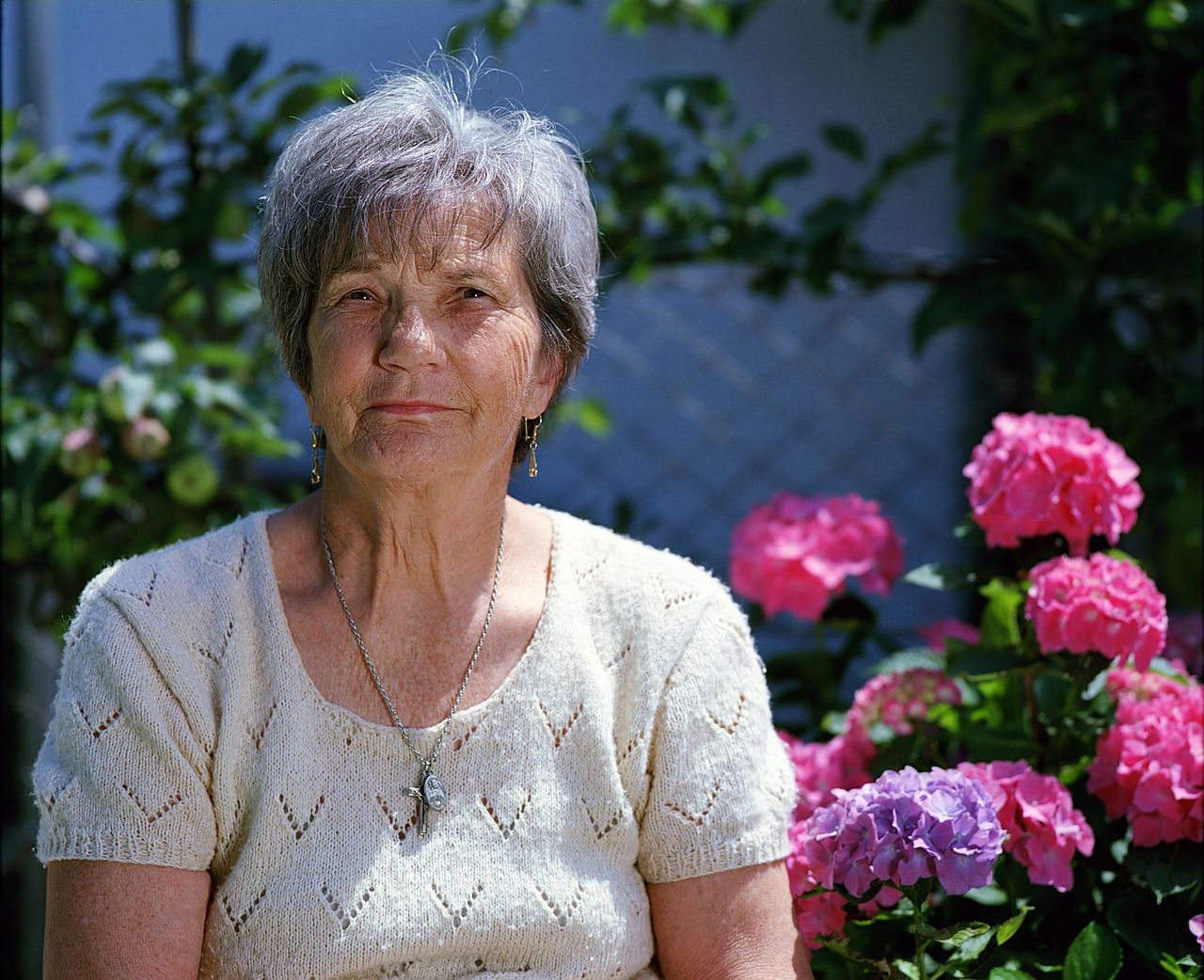
Representative image: brenkee / Pixabay
A UCL briefing on the 1970 British Cohort Study, reported on 11 November 2026, finds 26% of Gen X women in their early 50s report high distress, against 15% of men.
What Happened
Women of Generation X in Britain are far more likely than men of the same age to report heavy psychological distress in their early 50s, according to a briefing paper from University College London's Centre for Longitudinal Studies, which was in the UK news on Wednesday, 11 November 2026. The paper uses the 1970 British Cohort Study, which follows people born in England, Scotland and Wales in a single week of 1970, and finds that 26% of these women reported a high number of distress symptoms, against 15% of men. It also finds the generation as a whole in poorer physical health than the baby boomers born in 1958 were at a similar age.
Generation X: key facts
- Overall, one in five members of the 1970 cohort (20%) reported a high number of psychological distress symptoms on a nine-item questionnaire.
- Women reported high distress more often than men: 26% against 15%.
- 42% of women born in 1970 had seen a doctor, a specialist or a hospital about a mental health concern, against 32% of women born in 1958.
- Asked to score parts of life from 1 to 10, members rated health highest, at 9.3, for both men and women and in every income group.
- 26% rated their general health as poor or fair; 41% called it excellent or very good, against 50% of the 1958 cohort at a similar age.
- Obesity stood at 32% (26% in the 1958 group) and diabetes at 9% (6%).
- Distress was reported by 37% of people in the lowest-income households and 9% in the most affluent.
- The authors say the paper has not been peer reviewed and cannot show what causes the differences.
Generation X: why it matters
Life Balance readers often ask whether the strain they feel in their late forties and fifties is personal or shared. This briefing gives one of the clearest answers available, because it follows the same group of people from birth rather than taking a snapshot survey. The women in it are now juggling ageing parents, teenage or adult children, paid work and, for many, the menopause years, and a quarter of them report a high level of distress.
The paper is written by Vanessa Moulton, Sam Parsons, Bozena Wielgoszewska and George Ploubidis of the UCL centre. Coverage of the briefing reports Professor Ploubidis as saying the findings show what matters most to this generation in midlife, and that many may be struggling with exactly the part of life they value most. Dr Moulton is reported as pointing to the gap inside the generation: people from the lowest-income households face greater risk of both physical and mental health problems.
The help-seeking figure deserves a careful reading. More women born in 1970 than women born in 1958 had seen a professional about their mental health. That can mean more illness, less stigma about asking for help, or both; the briefing does not separate the two. What it does show is that midlife distress among women is common rather than rare, and that many are already taking it to a doctor.
The findings fit a wider pattern that UCL researchers have described before. A UCL review published in May 2026 reported that diabetes at ages 44 to 48 almost doubled, from 3.1% among baby boomers to 5.9% in Generation X, and earlier work from the same group called this a drift towards poorer health in each newer generation.
Peepals calculation: the women in the 1970 cohort were about 1.7 times as likely as the men to report high distress (26 ÷ 15 ≈ 1.73), and the share of women who had sought help for their mental health was about 31% higher than in the 1958 generation (42 ÷ 32 ≈ 1.31). In the cohort as a whole, distress was about four times as common in the poorest households as in the richest (37 ÷ 9 ≈ 4.1). Our calculation from the reported figures.
| Measure | Born 1970 (Generation X) | Born 1958 (similar age) |
|---|---|---|
| Excellent or very good health | 41% | 50% |
| Living with obesity | 32% | 26% |
| Living with diabetes | 9% | 6% |
| Women who sought mental health help | 42% | 32% |
Impact
Short-term: The briefing gives employers, doctors and families a dated, numbered picture of midlife strain among women, which can support conversations about workload, flexible hours and access to mental health care for people in their fifties.
Long-term: The same cohort will be followed as it moves towards retirement. If the gaps in health and distress persist, they are likely to shape how long this generation can keep working and how much care it will need.
Who is affected: Women and men born around 1970, especially women and people in low-income households, and the families, employers and health services that support them.
Key Takeaway
A UCL cohort briefing finds that a quarter of Generation X women in Britain report heavy psychological distress in their early 50s, against 15% of men, even though health is what this generation says it values most.
Questions and Answers
What did the UCL study find about Generation X women?
In the 1970 British Cohort Study, 26% of women in their early 50s reported a high number of psychological distress symptoms, compared with 15% of men, and 42% had seen a professional about a mental health concern, against 32% of women born in 1958.
Is Generation X less healthy than baby boomers?
In this British data, yes on several measures: 41% of those born in 1970 rated their health excellent or very good, against 50% of those born in 1958 at a similar age, and obesity and diabetes were more common (32% and 9%, against 26% and 6%).
Does the study say why?
No. The authors say the briefing is observational, has not been peer reviewed and cannot show causes. It describes differences between generations and income groups, not their reasons.
Who was studied?
The 1970 British Cohort Study follows people born in England, Scotland and Wales in a single week of 1970. They were compared with an earlier group born in 1958, who were assessed at around age 50.
Disclaimer: Prepared by the Peepals newsroom from publicly available sources with AI assistance. Information is accurate to the best of our knowledge at the time of publication and may change. Images may be representative. Not professional advice. Report an error via our contact page.
By Vikram Joshi, Life Balance CorrespondentCovers Life Balance and more for Peepals Shakti. All stories by Vikram Joshi
Taiwan maternity leave raised to 14 weeks, paternity leave doubled
Andhra women's technology park: Naidu promises free land for women entrepreneurs
Get the day's stories in your inbox
Peepals Weekly: the week decoded, free. One email a week, unsubscribe in one click.
Vikram Joshi is a pen name of the Peepals Global Editorial Team, which researches, fact-checks and publishes every story. The portrait is an illustration.
Responsible for this story: the Peepals Global Editorial Team, led by editor Prashant Sonar. How we report