
Older women living only with husbands face most depression, Japan study finds
 By Vikram JoshiLife Balance Correspondent, Peepals Shakti
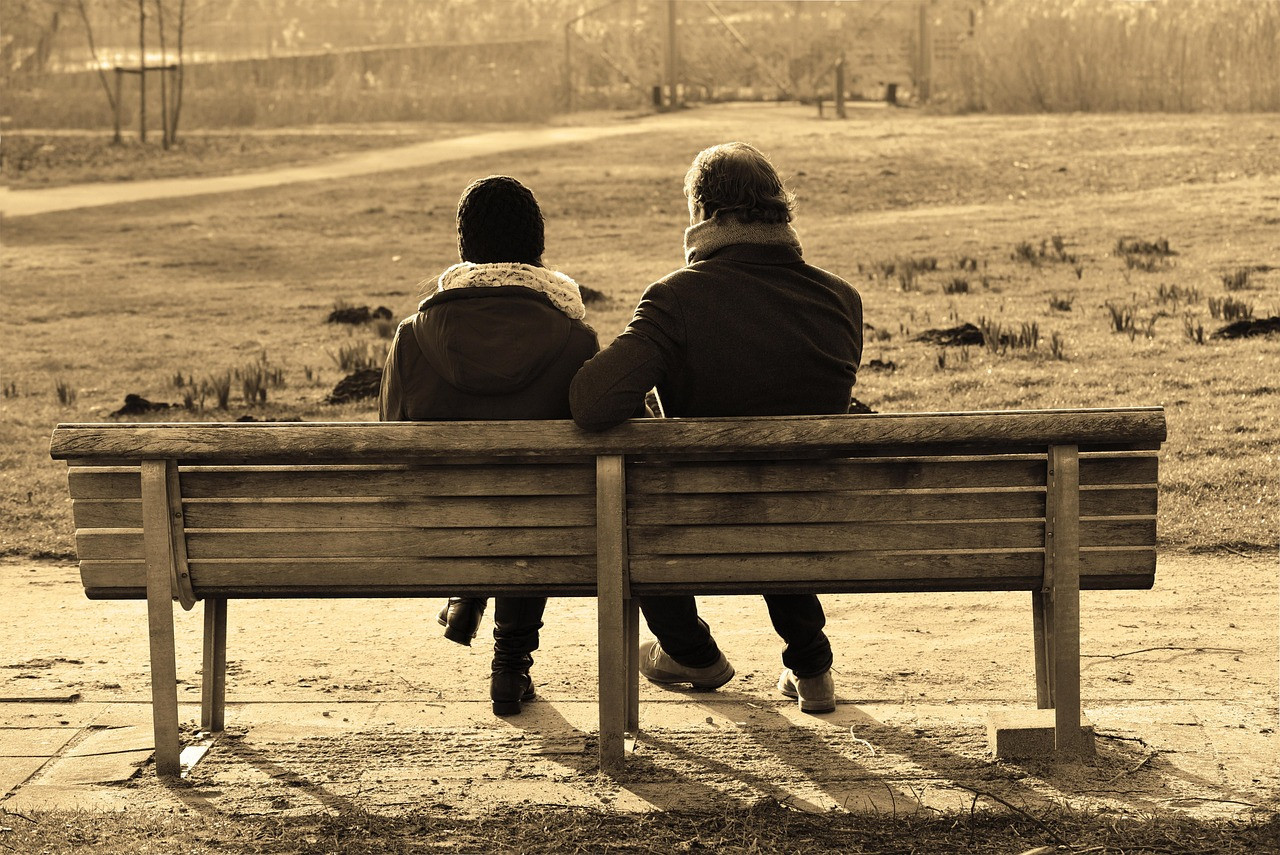
Representative image: MabelAmber / Pixabay
Older Japanese women living only with their spouse can expect 25% of remaining life with depression, the highest among women, a study publicised on 11 November 2026 says.
What Happened
Older women in Japan who live only with their husband can expect to spend a larger share of their remaining life with depression than women in any other living arrangement, according to a study by researchers at Sophia University and Nihon University that was publicised on Wednesday, 11 November 2026. Among women aged 65 and over, those living only with a spouse were expected to spend 25.0% of their remaining years with depression, compared with 16.3% for women living with other family members. For men, the pattern was the opposite: those living alone fared worst.
Key Facts
- The study, by Yuka Minagawa of Sophia University and Yasuhiko Saito of Nihon University, was published in the Journal of Aging and Health on 9 September 2026 and highlighted in a news release on 11 November.
- It used data from the Nihon University Japanese Longitudinal Study of Aging, covering people aged 65 and over from 1999 to 2009.
- It measured "life expectancy with depression": the share of a person's expected remaining years likely to be spent with depression.
- Women living only with a spouse: 25.0% of remaining life expected with depression, the highest share among women.
- Women living with other family members: 16.3%.
- Men living alone had both the longest time and the highest share of remaining life with depression among men; the differences were statistically significant at all ages except 80.
- The study is observational: it shows an association, not that a living arrangement causes depression.
Why It Matters
Most research on loneliness in old age has focused on people who live alone, and the authors note that earlier work concentrated on that risk. This study adds a different warning: for older women, living as a couple is not automatically protective. The study does not explain why women in couple-only homes fared worst, and the authors' data do not test reasons such as caregiving load. What the numbers do show is a group of older women whose risk would be missed if attention went only to people living alone.
For men, the findings fit the more familiar picture: older men living alone were the most exposed to depression. The gender split matters for anyone planning support for older people. A single approach, such as only checking on those who live alone, would miss many women at risk.
Japan's ageing pattern is relevant beyond Japan. The authors describe a country where fewer older people live with their adult children and more live alone or only with a spouse. The Japanese data cannot be applied directly to India or other countries, but they raise a question families and health workers anywhere can ask when older parents live as a couple on their own: how is the older woman in the home doing, not just her husband?
Peepals calculation: The gap between the two groups of women is 8.7 percentage points (25.0 − 16.3). Put another way, women living only with a spouse were expected to spend about 1.5 times as large a share of their remaining years with depression as women living with other family (25.0 ÷ 16.3 ≈ 1.53). If a woman had 20 years of life left, 25% would mean about 5 years with depression, against about 3.3 years at 16.3%. Our calculation from the reported figures.
| Women aged 65+ in the study | Share of remaining life expected with depression |
|---|---|
| Living only with a spouse | 25.0% |
| Living with other family members | 16.3% |
Impact
Short-term: The findings give doctors, counsellors and families a reason to ask older women in couple-only homes about low mood, not only those who live alone.
Long-term: As more older people live alone or only with a spouse, health systems may need support that reaches both groups, including older wives, not only those who live alone.
Who is affected: Older women living with their husbands, older men living alone, their families, and the health and social workers who support them.
Key Takeaway
A Japanese study finds older women living only with their husbands can expect a quarter of their remaining years with depression, the highest among women, while among men it is those living alone who fare worst.
Questions and Answers
What did the Japan living arrangements study find about older women?
Women aged 65 and over living only with a spouse were expected to spend 25.0% of their remaining life with depression, the highest share among women, compared with 16.3% for women living with other family members.
Which older men had the highest depression risk in the study?
Men living alone had the longest time and the highest share of their remaining life with depression among men.
Does living with a spouse cause depression in older women?
The study does not show that. It is observational and shows an association between living arrangements and expected years with depression, not cause and effect.
Who did the study?
Yuka Minagawa of Sophia University and Yasuhiko Saito of Nihon University, using Japanese longitudinal ageing data from 1999 to 2009. It was published in the Journal of Aging and Health.
Disclaimer: Prepared by the Peepals newsroom from publicly available sources with AI assistance. Information is accurate to the best of our knowledge at the time of publication and may change. Images may be representative. Not professional advice. Report an error via our contact page.
By Vikram Joshi, Life Balance CorrespondentCovers Life Balance and more for Peepals Shakti. All stories by Vikram Joshi
Bal Vivah Mukt Bharat at two: 12.47 crore reached, observance November 27
Katie Zolnikov, 29, picked as Montana's first woman House speaker
Get the day's stories in your inbox
Peepals Weekly: the week decoded, free. One email a week, unsubscribe in one click.
Vikram Joshi is a pen name of the Peepals Global Editorial Team, which researches, fact-checks and publishes every story. The portrait is an illustration.