
Vaccines in pregnancy linked to fewer preterm births: Adelaide 19,000-woman study
 By Vikram JoshiLife Balance Correspondent, Peepals Shakti
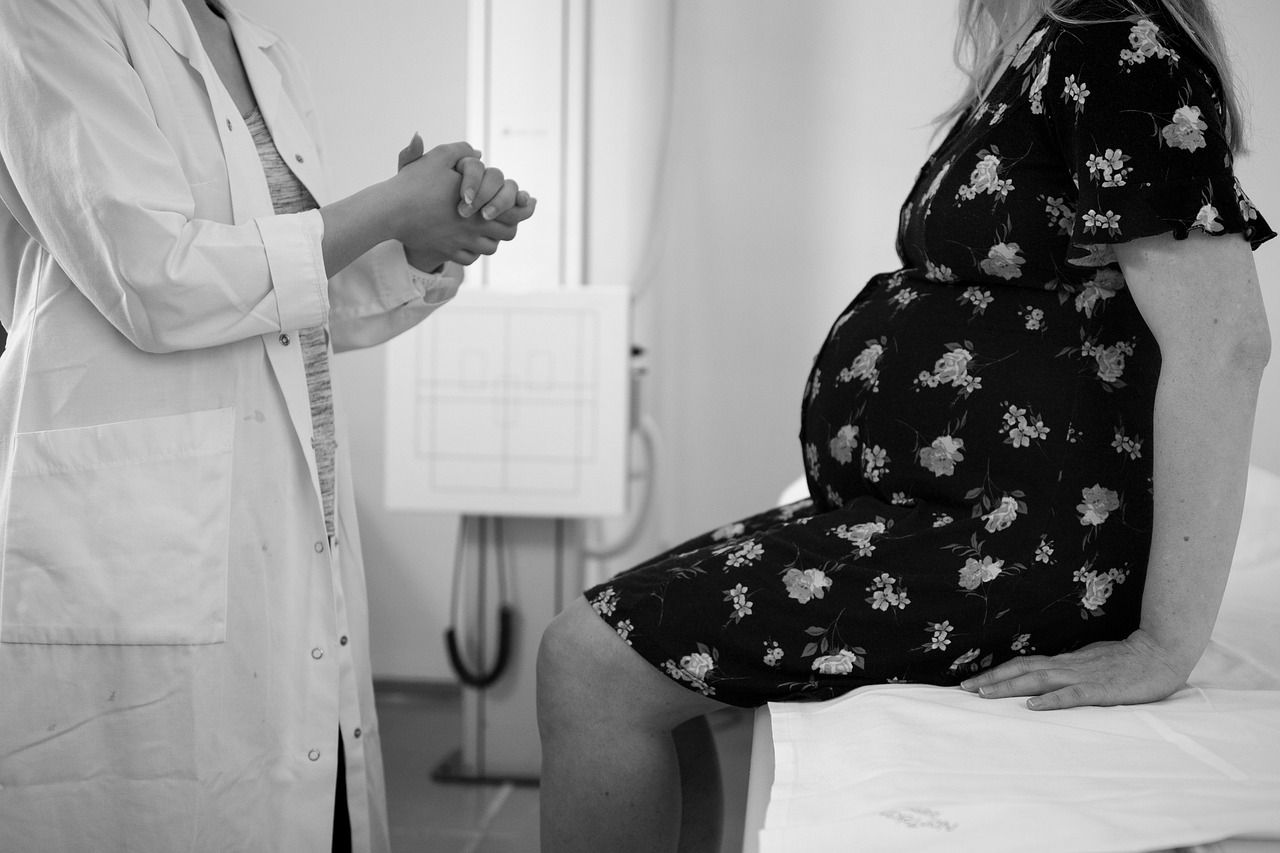
Representative image: OsloMetX / Pixabay
An Adelaide study of about 19,000 pregnancies, released on 16 November 2026, linked flu and whooping cough vaccines to 13% and 17% lower preterm birth risk.
What Happened
A study of about 19,000 pregnant women in South Australia has linked vaccination during pregnancy with better outcomes for both mothers and babies. Researchers from Adelaide University and the Women's and Children's Health Network found that the flu vaccine and the whooping cough (pertussis) vaccine were associated with a 13% and 17% lower risk of preterm birth respectively, with no sign of extra pregnancy complications. The findings, published in the journal Vaccine, were released by the university on Monday, 16 November 2026.
Vaccines in Pregnancy: key facts
- Study size: data from about 19,000 pregnant women who gave birth at Adelaide's Women's and Children's Hospital between 2020 and 2023.
- Vaccines studied: influenza (flu), whooping cough (pertussis) and COVID-19.
- Uptake during the period: 64% of the women had the flu vaccine, 74% the whooping cough vaccine and 29.5% the COVID-19 vaccine.
- Preterm birth: the flu vaccine was linked to a 13% lower risk and the whooping cough vaccine to a 17% lower risk; the researchers reported a similar pattern for the COVID-19 vaccine.
- Stillbirth: the whooping cough vaccine was associated with a nearly 50% lower risk, which the researchers said is in line with other large studies.
- Safety: no link was found between the three vaccines and complications such as high blood pressure disorders of pregnancy or heavy bleeding.
- Babies: infants of vaccinated mothers weighed on average 90 to 180 grams more, were born several days later, and had lower rates of resuscitation and early-onset sepsis.
Vaccines in Pregnancy: why it matters
Many women worry about taking any medicine or vaccine during pregnancy, and those worries often lead them to skip vaccines that doctors recommend. This study looks at a large, real-world group and asks a simple question: did women who were vaccinated have more problems, or fewer? According to the researchers, they had fewer, and the vaccines were not linked to the complications that women most often fear.
The findings also show that a vaccine given to the mother can help the baby. A preterm birth, meaning a baby born before 37 weeks, is one of the biggest risks to a newborn's health. Babies born early are more likely to need help with breathing and more likely to spend time in intensive care. Early-onset sepsis is a serious blood infection in the first days of life. Lower rates of both, and slightly heavier babies born a few days later, point in the same healthy direction.
There are important limits. This was an observational cohort study: it compared women who chose to be vaccinated with those who did not. It shows an association, not proof that the vaccines caused the better outcomes. Women who get vaccinated may differ in other ways, such as general health or access to care. The full paper should be read for how the researchers adjusted for such differences. The study also comes from one hospital in Australia, so results elsewhere, including in India, could differ.
For women, the practical point is a conversation, not a decision on one's own: decisions on vaccination in pregnancy should be made with a doctor or midwife, who can explain which vaccines are advised at which stage.
Peepals calculation: applying the reported uptake rates to the roughly 19,000 women gives about 14,060 who had the whooping cough vaccine (19,000 × 0.74), about 12,160 who had the flu vaccine (19,000 × 0.64) and about 5,605 who had the COVID-19 vaccine (19,000 × 0.295). Whooping cough vaccination was therefore about 2.5 times as common as COVID-19 vaccination in this group (74 ÷ 29.5 = 2.51). Our calculation from the reported figures.
| Vaccine | Uptake in pregnancy | Preterm birth risk |
|---|---|---|
| Whooping cough (pertussis) | 74% | 17% lower |
| Influenza (flu) | 64% | 13% lower |
| COVID-19 | 29.5% | similar pattern reported |
Impact
Short-term: The study adds reassurance for pregnant women and their families who are unsure whether vaccines in pregnancy are safe.
Long-term: Larger and more varied studies, including in countries such as India, can test whether the same links hold elsewhere and help health services plan maternal vaccination.
Who is affected: Pregnant women and their families; doctors, nurses and midwives who advise them; and health departments that run maternal vaccination programmes.
Key Takeaway
In about 19,000 pregnancies in Adelaide, flu and whooping cough vaccines were linked to 13% and 17% lower risks of preterm birth with no rise in complications, though the study shows an association, not proof of cause.
Questions and Answers
Are vaccines safe during pregnancy, according to the Adelaide study?
The study of about 19,000 pregnant women found no link between the flu, whooping cough and COVID-19 vaccines and complications such as high blood pressure disorders or heavy bleeding.
How much did vaccines in pregnancy lower the risk of preterm birth?
The flu vaccine was linked to a 13% lower risk and the whooping cough vaccine to a 17% lower risk of preterm birth, with a similar pattern for the COVID-19 vaccine.
Does this prove that vaccines prevent preterm birth?
No. It was an observational study that compared vaccinated and unvaccinated women, so it shows an association, not proof of cause.
Where was the study published?
It was published in the journal Vaccine by researchers from Adelaide University and the Women's and Children's Health Network, and released on 16 November 2026.
Disclaimer: Prepared by the Peepals newsroom from publicly available sources with AI assistance. Information is accurate to the best of our knowledge at the time of publication and may change. Images may be representative. Not professional advice. Report an error via our contact page.
By Vikram Joshi, Life Balance CorrespondentCovers Life Balance and more for Peepals Shakti. All stories by Vikram Joshi
Get the day's stories in your inbox
Peepals Weekly: the week decoded, free. One email a week, unsubscribe in one click.
Vikram Joshi is a pen name of the Peepals Global Editorial Team, which researches, fact-checks and publishes every story. The portrait is an illustration.
Responsible for this story: the Peepals Global Editorial Team, led by editor Prashant Sonar. How we report