
Midlife women and flexible work: half in 'bad flex' expect to quit
 By Vikram JoshiLife Balance Correspondent, Peepals Shakti

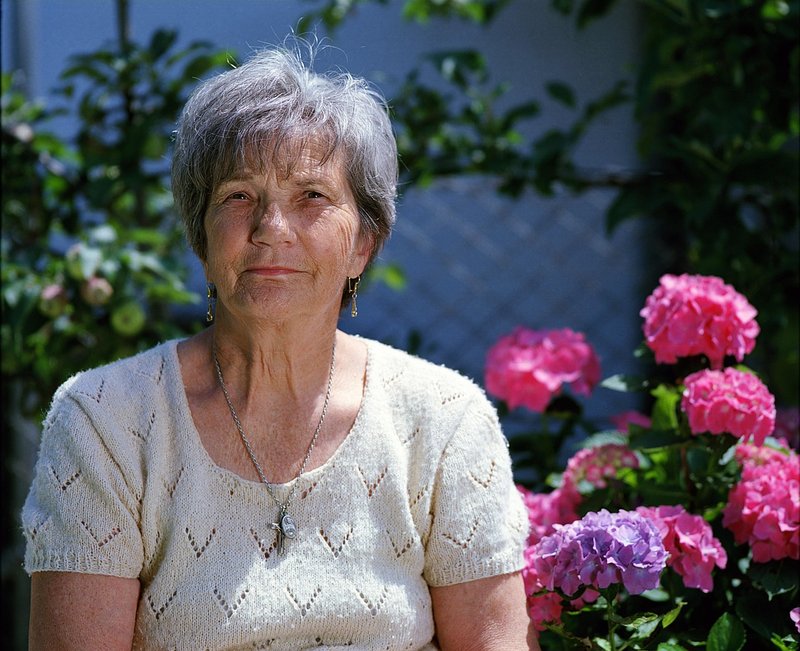
Representative image: Pexels / Pixabay
Australian research released on 12 November 2026 finds midlife women need good flexible work most, and over half in 'bad flex' expect to quit within a year.
Midlife Women Flexible Work: what happened
Women in midlife need well-designed flexible work more than any other group, because peak career duties, heavier family care and health changes such as perimenopause and menopause all land on them at once, Australian researchers said in findings released by the University of Melbourne and published on Thursday, 12 November 2026. The research, from the Working for Women Research Partnership, combined a nationally representative survey of more than 6,000 workers with group discussions involving 397 women in midlife. The researchers call this pile-up the "midlife collision" and argue that it is a problem of how workplaces are designed, not a problem with women.
Midlife Women Flexible Work: key facts
- Who: the Working for Women Research Partnership, led by the University of Sydney's Australian Centre for Gender Equality and Inclusion @ Work, with the University of Melbourne, UTS's Centre for Indigenous People and Work and the Australian Government's Office for Women.
- Evidence: a survey of more than 6,000 workers plus focus groups and yarning circles with 397 women in midlife, described in the wider study as women aged 40 to 55.
- Preference: 53.0% of midlife women surveyed preferred fully remote work, against 42.7% who preferred hybrid work.
- Money: midlife women were the least likely of all groups to say their current job pays enough to cover the essentials.
- Careers: they reported weaker prospects of senior promotion than younger colleagues.
- Risk of leaving: more than half of women stuck in "bad flex" expected to leave their job within the next year.
Midlife Women Flexible Work: why it matters
The research puts the spotlight on the years from the early 40s to the mid-50s. At that stage, it says, women face peak career responsibilities, heavier family care and health changes such as perimenopause and menopause at the same time. When work does not bend around those pressures, the research suggests, women do not simply cope: they step down.
The study draws a clear line between two kinds of flexibility. "Good flex" means the worker has some control over her hours and schedule. "Bad flex" means flexibility that mostly serves the employer, such as reduced hours, casual work or rosters set with little say for the worker. Women are more likely than men to be in bad flex, especially in health, education, retail and care work. The researchers warn that poorly designed or unevenly applied flexibility can push highly skilled women into part-time or lower-level jobs, with long-term costs for them and for the wider economy.
The University of Melbourne lead, Associate Professor Brendan Churchill, has argued that the midlife collision points to a workplace problem rather than a women's problem. In practice that shifts the question from "how can she manage?" to "how is this job built?". The research also flags groups with an especially strong need for good flexibility: Aboriginal and Torres Strait Islander women, sole parents, women with a chronic illness or disability, migrant and refugee women, and women in regional and rural areas.
The data are Australian, but the questions the study asks, about who controls the hours and whether flexibility costs a woman her pay and promotion, apply to any workplace, including in India.
Peepals calculation: among the midlife women surveyed, the preference for fully remote work (53.0%) was 10.3 percentage points higher than for hybrid work (42.7%), so fully remote was favoured by about 1.24 to 1 (53.0 ÷ 42.7 ≈ 1.24). Together the two account for 95.7% of answers (53.0 + 42.7), leaving about 4.3% who preferred some other arrangement. Our calculation from the reported figures.
| Measure | Finding |
|---|---|
| Workers surveyed | More than 6,000 |
| Midlife women in group discussions | 397 |
| Prefer fully remote work | 53.0% |
| Prefer hybrid work | 42.7% |
| In bad flex and expecting to leave within a year | More than half |
Midlife Women Flexible Work: impact
Short-term: Employers in Australia have fresh evidence that badly designed flexibility costs them experienced women, since more than half of those in bad flex expect to leave within a year.
Long-term: If workplaces redesign roles around worker control of hours, rather than simply cutting hours, more women may stay in senior and well-paid jobs through midlife, with benefits for their savings and retirement security.
Who is affected: Women aged roughly 40 to 55 in paid work, the managers who design their jobs, and the families who rely on their income and care.
Midlife Women Flexible Work: key takeaway
If you are in midlife and your flexibility is mostly shorter hours or rosters you do not control, that is what the researchers call "bad flex", and it is worth raising with your employer as a job-design question.
Midlife Women Flexible Work: questions and answers
What is the "midlife collision" in the University of Melbourne study?
It is the researchers' term for the way peak career responsibilities, heavier family care and health changes such as perimenopause and menopause tend to arrive together for women in midlife.
What is the difference between good flex and bad flex?
Good flex gives the worker some control over hours and schedules. Bad flex mainly suits the employer, through reduced hours, casual work or rosters the worker has little say over.
Do midlife women prefer remote or hybrid work?
In the survey, 53.0% of midlife women preferred fully remote work and 42.7% preferred hybrid work.
Who carried out the research?
The Working for Women Research Partnership, led by the University of Sydney with the University of Melbourne, UTS and the Australian Government's Office for Women, which funds it.
Disclaimer: Prepared by the Peepals newsroom from publicly available sources with AI assistance. Information is accurate to the best of our knowledge at the time of publication and may change. Images may be representative. Not professional advice. Report an error via our contact page.
By Vikram Joshi, Life Balance CorrespondentCovers Life Balance and more for Peepals Shakti. All stories by Vikram Joshi
HC orders British-born girl, 4, returned to her mother in UK
Katherine Clark elected first woman House majority leader by Democrats
Your week ahead, every Sunday. Free.
Exam and result dates, IPOs opening, scheme deadlines, government holidays and the RBI decision for the next 7 days, plus the week's top stories. One email a week, unsubscribe in one click.
Vikram Joshi is a pen name of the Peepals Global Editorial Team, which researches, fact-checks and publishes every story. The portrait is an illustration.
Responsible for this story: the Peepals Global Editorial Team, led by editor Prashant Sonar. How we report