
Anti-Bullying Week 2026: 'Break the Silence' asks children, parents to speak up
 By Vikram JoshiStaff Writer, Peepals Shakti
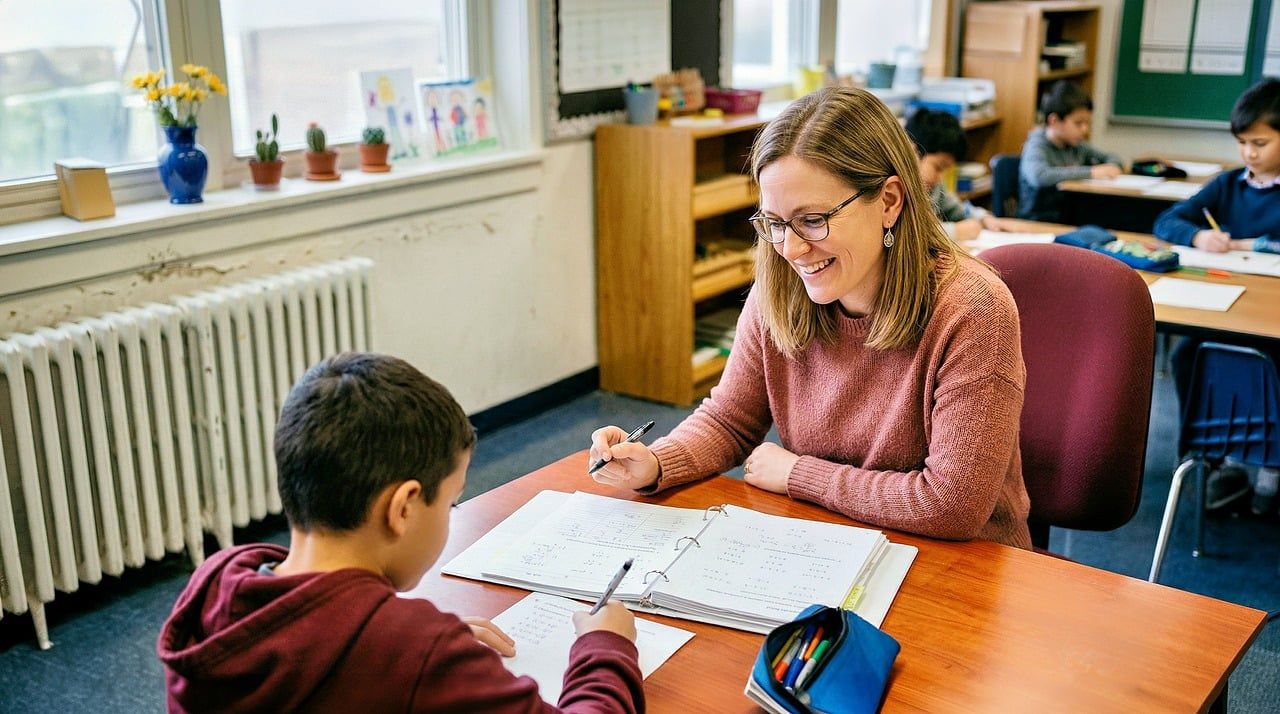
Representative image: erwinbosman / Pixabay
Anti-Bullying Week 2026 runs from 16 to 20 November with the theme 'Break the Silence', urging children to talk about bullying and adults to listen and act.
What Happened
Anti-Bullying Week 2026 began on Monday, 16 November and runs until Friday, 20 November, with the theme "Break the Silence", according to the Anti-Bullying Alliance, which organises the week in England, Wales and Northern Ireland. The theme asks children and young people to talk about bullying they experience or see, and asks schools, parents and carers to create places where children feel safe to speak and are supported when they do. The Alliance says the theme was shaped by more than 200 children and young people. The week opened with Odd Socks Day on Monday, when children wear mismatched socks to celebrate what makes each person different. In Scotland, the week is coordinated by respectme, the national anti-bullying service.
Anti Bullying Week: key facts
- Dates: Monday, 16 November to Friday, 20 November 2026.
- Theme: "Break the Silence".
- Organiser: the Anti-Bullying Alliance in England, Wales and Northern Ireland; respectme in Scotland.
- Youth input: more than 200 children and young people helped shape the theme, according to the Alliance.
- Odd Socks Day: Monday, 16 November, the opening day.
- Resources: free films, lesson plans, assemblies, activities and discussion tools for schools, parents, carers and organisations.
- A survey cited by the Alliance from the charity Ditch the Label found 72% of young people who experienced bullying reported it, while 28% told nobody.
Anti Bullying Week: why it matters
The theme goes to the heart of why bullying is hard to stop: many children do not tell anyone. A child may stay silent out of fear that it will get worse, embarrassment, a belief that adults will not help, or simply not having the words. According to the survey the Alliance cites, more than a quarter of young people who experienced bullying told nobody. Those children carry it alone, and the adults around them may not notice until the effects show up in sleep, schoolwork, mood or friendships.
"Break the Silence" works on both sides of that problem. For children, the message is that speaking up, about themselves or about someone else, is right and brave. For adults, the message is that silence is often a sign that a child does not feel safe to talk, and that it is the adult's job to make talking easier, to listen without dismissing, and to act.
For families everywhere, including in India, the lessons travel well. Bullying today happens not only in classrooms and playgrounds but in group chats, gaming platforms and social media, where it can follow a child home. Parents can help by asking open questions about school and online life, noticing changes in behaviour, and making clear that the child will not be blamed or punished for reporting. Schools in India have their own anti-bullying and anti-ragging rules, and parents can ask how their child's school handles complaints. These are general good practices, not advice for any individual case.
The week is a British campaign, but its approach, children helping to design the message and resources made free for families, is one other countries and schools can borrow.
Peepals calculation: If 72% of young people who experienced bullying reported it and 28% told nobody, then for every 25 children who are bullied, about 7 stay silent (25 × 0.28 = 7). In a school year group of 100 children who have experienced bullying, that would be about 28 who have not told anyone. Our calculation from the reported survey figures; it is an illustration, not a count for any school.
| Item | Detail |
|---|---|
| Dates | 16-20 November 2026 |
| Theme | Break the Silence |
| Young people who shaped it | More than 200 |
| Opening day | Odd Socks Day, 16 November |
| Bullied young people who told nobody (survey cited) | 28% |
Impact
Short-term: Schools across England, Wales and Northern Ireland hold lessons, assemblies and activities this week using the free resources, and families are encouraged to talk at home.
Long-term: The campaign aims to make reporting bullying normal, so that fewer children suffer in silence and adults step in earlier.
Who is affected: Schoolchildren, parents and carers, teachers and school leaders, and youth organisations.
Key Takeaway
Anti-Bullying Week 2026, running from 16 to 20 November under the theme "Break the Silence", asks children to speak up about bullying and adults to make it safe for them to do so.
Questions and Answers
When is Anti-Bullying Week 2026?
Anti-Bullying Week 2026 runs from Monday, 16 November to Friday, 20 November.
What is the theme of Anti-Bullying Week 2026?
The theme is "Break the Silence", which encourages open conversations about bullying and safe, supportive places for children to speak up. More than 200 young people helped shape it.
What is Odd Socks Day?
Odd Socks Day is the opening day of Anti-Bullying Week, Monday 16 November 2026, when children wear mismatched socks to celebrate what makes everyone unique.
How many bullied children tell nobody?
A Ditch the Label survey cited by the Anti-Bullying Alliance found that 28% of young people who experienced bullying did not tell anybody, while 72% reported it.
Disclaimer: Prepared by the Peepals newsroom from publicly available sources with AI assistance. Information is accurate to the best of our knowledge at the time of publication and may change. Images may be representative. Not professional advice. Report an error via our contact page.
By Vikram Joshi, Staff WriterCovers Life Balance and more for Peepals Shakti. All stories by Vikram Joshi
Perfect Moment names Suzy Biszantz CEO as co-founder Jane Gottschalk steps back
PFAS forever chemicals linked to lower muscle mass in midlife women
Your week ahead, every Sunday. Free.
Exam and result dates, IPOs opening, scheme deadlines, government holidays and the RBI decision for the next 7 days, plus the week's top stories. One email a week, unsubscribe in one click.
Vikram Joshi is a pen name of the Peepals Global Editorial Team, which researches, fact-checks and publishes every story. The portrait is an illustration.
Responsible for this story: the Peepals Global Editorial Team, led by editor Prashant Sonar. How we report