
DNA test in maintenance cases: child's welfare not enough, Karnataka HC rules
 By Simran KaurStaff Writer, Peepals Shakti

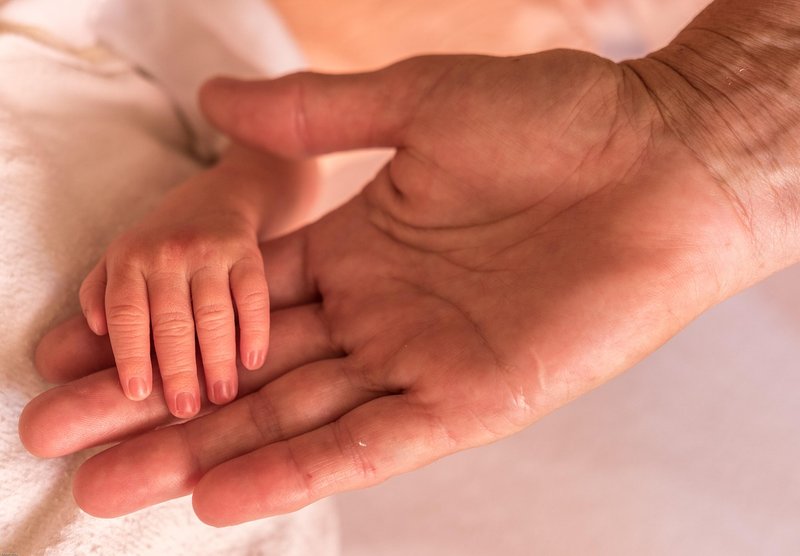
Representative image: 422050 / Pixabay
The Karnataka High Court ruled, as reported on 12 November 2026, that a child's welfare alone cannot justify a DNA paternity test in a maintenance case.
What Happened
The Karnataka High Court has held that a child's welfare and need for maintenance are not, on their own, enough reason for a court to order a DNA test to decide who the child's father is. In a ruling reported on Thursday, 12 November 2026, the High Court set aside a Bengaluru Family Court order that had directed a paternity test in a child maintenance case, and sent the matter back. It said a Family Court must first examine whether paternity can be decided on the other evidence available and whether the intrusion into privacy is necessary and proportionate.
DNA test: key facts
- Court: Karnataka High Court.
- Reported: Thursday, 12 November 2026.
- Order set aside: a Bengaluru Family Court direction for a DNA test in a child's maintenance case; the matter was remanded (sent back) for fresh consideration.
- Main holding: the child's welfare and maintenance needs do not, by themselves, justify ordering a DNA test.
- Test laid down: before ordering DNA testing, the court must check whether other evidence can settle paternity, and whether the privacy intrusion is necessary and proportionate.
- On admissions: a man's admission of a physical relationship with the child's mother does not by itself prove paternity or justify a DNA test, according to reports of the ruling.
- On earlier refusals: an earlier civil court order refusing a DNA test does not stop the mother from seeking one again, unless that order conclusively decided paternity.
- On maintenance: the child's legal right to maintenance still requires showing that the man from whom it is sought is legally responsible for the child.
DNA test: why it matters
When a mother seeks money from a man for their child's upkeep, the man sometimes denies that he is the father. A DNA test can settle that quickly, but it also intrudes on the privacy of the man, the mother and the child, and its result can change a child's identity and family relationships for life. The High Court's reasoning, as reported, treats a DNA test as a serious step rather than a routine one.
The ruling sets out a clear order of steps for family courts. First, look at the other evidence: documents, conduct, witness accounts. Only if those cannot decide the question, and only if the test is necessary and proportionate to the privacy cost, should a DNA test be ordered. The High Court agreed that disputed paternity is relevant in a maintenance case; its objection was that the Family Court ordered the test without first doing that inquiry.
For mothers seeking maintenance, the ruling cuts both ways. It means a DNA test will not be ordered simply because the child needs support. But it also keeps the door open: an earlier refusal by another court does not end the matter unless paternity was actually decided. For men, it confirms that admitting a relationship with the mother is not the same as admitting paternity.
For children, the court's approach reflects a concern that runs through Indian family law: protecting a child from the harm of having their parentage questioned unless there is a real need. Earlier Karnataka High Court decisions have also said DNA tests should not be ordered as a matter of course, while another ruling this year upheld a test where paternity was central to a property dispute, showing that each case turns on its facts.
Peepals timeline: The mother sought maintenance for the child before a Bengaluru Family Court, which directed a DNA test to decide paternity. That order was challenged in the Karnataka High Court. In the ruling reported on 12 November 2026, the High Court set aside the order and sent the case back to the Family Court to decide afresh, applying the steps it laid down. No date for the fresh hearing was reported.
Impact
Short-term: The Bengaluru Family Court must reconsider the request for a DNA test using the High Court's steps before any test can be ordered in this case.
Long-term: Family courts in Karnataka are likely to follow this sequence, examining other evidence and proportionality first, in maintenance cases where paternity is disputed.
Who is affected: Mothers seeking child maintenance, men contesting paternity, children whose parentage is disputed, and family court judges and lawyers in Karnataka.
Key Takeaway
The Karnataka High Court has ruled that a child's welfare alone cannot justify a DNA paternity test in a maintenance case; courts must first weigh other evidence and the privacy cost.
Questions and Answers
What did the Karnataka High Court rule on DNA tests in maintenance cases?
It held that a child's welfare and maintenance needs do not by themselves justify a DNA test. A court must first see whether other evidence can decide paternity and whether the test is necessary and proportionate.
Does admitting a relationship with the mother prove paternity?
No. According to reports of the ruling, a man's admission of a physical relationship with the child's mother does not by itself prove paternity or justify a DNA test.
Can a mother ask for a DNA test again after an earlier refusal?
Yes, the ruling says an earlier civil court refusal does not bar a fresh request unless that earlier order conclusively decided paternity.
What happens next in this case?
The High Court set aside the Family Court's DNA test order and sent the case back to the Bengaluru Family Court to decide the request afresh.
Disclaimer: Prepared by the Peepals newsroom from publicly available sources with AI assistance. Information is accurate to the best of our knowledge at the time of publication and may change. Images may be representative. Not professional advice. Report an error via our contact page.
By Simran Kaur, Staff WriterCovers Fashion and more for Peepals Shakti. All stories by Simran Kaur
Miss Universe 2026 visa row: Zambia, Congo out; Zimbabwe, South Sudan wait
Perimenopause symptom scale: Flo, Mayo Clinic tool validated in 1,255-woman study
Get the day's stories in your inbox
Peepals Weekly: the week decoded, free. One email a week, unsubscribe in one click.
Simran Kaur is a pen name of the Peepals Global Editorial Team, which researches, fact-checks and publishes every story. The portrait is an illustration.
Responsible for this story: the Peepals Global Editorial Team, led by editor Prashant Sonar. How we report