
Breastfeeding and maternal depression: study of Nepal, Bangladesh, two African nations
 By Simran KaurStaff Writer, Peepals Shakti

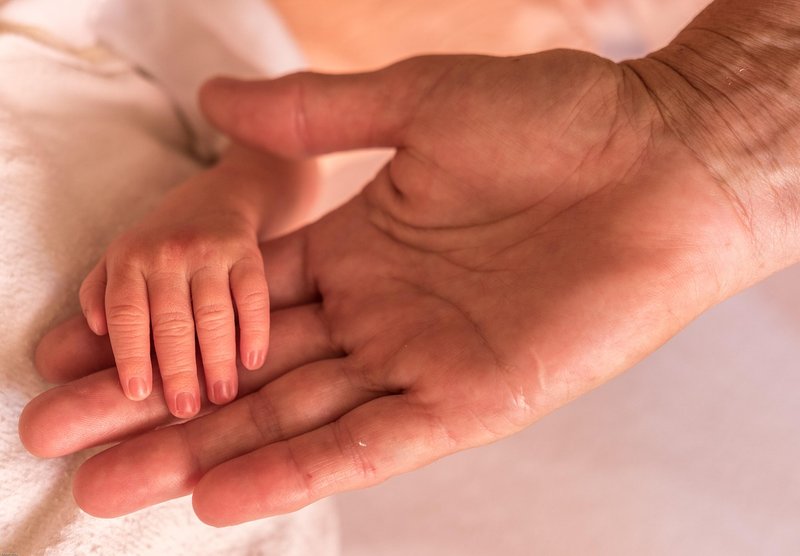
Representative image: OmarMedinaFilms / Pixabay
A study released on 16 November 2026 using health surveys from Nepal, Bangladesh, Lesotho and Mozambique linked breastfeeding with fewer depressive symptoms in mothers.
What Happened
Breastfeeding was linked with fewer depressive symptoms in mothers across four low- and middle-income countries, according to a study published in the journal Discover Mental Health and publicised on Monday, 16 November 2026. The researchers analysed the latest national Demographic and Health Surveys (DHS) from Nepal and Bangladesh in South Asia and from Lesotho and Mozambique in Africa. The link held in all four countries, though its strength and statistical significance varied from country to country.
Breastfeeding and Maternal Depression: key facts
- Journal: Discover Mental Health; the paper is titled "Breastfeeding as a protective factor of maternal depression: a multi-country analysis from Africa and South Asia".
- Data: the most recent DHS rounds, namely Lesotho (2023-24), Mozambique (2022-23), Bangladesh (2022) and Nepal (2022).
- Breastfeeding was very common: 92.3% in Lesotho, 96.3% in Mozambique, 95.7% in Bangladesh and 98.9% in Nepal.
- Depressive symptoms among mothers ranged from 4.0% to 7.6% across the four countries.
- Depression was measured with survey questions adapted from the Patient Health Questionnaire (PHQ), a standard screening tool.
- The authors suggest that existing breastfeeding promotion programmes could be used as entry points for maternal mental health support.
- They call for long-term studies to establish whether breastfeeding reduces depression or whether depression makes breastfeeding harder.
Breastfeeding and Maternal Depression: why it matters
Depression after childbirth is common and often unnoticed, especially in places where health services focus on the baby's growth and vaccinations rather than the mother's state of mind. A mother who is depressed may find it harder to care for herself, to bond with her child and to keep up with feeding, and families may not recognise the signs.
This study looks at the question from a practical angle. In countries where nearly every mother breastfeeds, health workers already meet mothers regularly to support feeding. The authors argue that these same visits could be used to ask about mothers' mood and to connect those who are struggling with help. That would build on a system that already exists, rather than creating a new one.
The study also points to the needs of women for whom breastfeeding does not go smoothly. Where breastfeeding is almost universal, a mother who cannot breastfeed, or who finds it painful or difficult, may feel she is failing. The authors say such women may need extra attention. They also call for wider support for mothers in general: a lighter workload, better nutrition and easier access to mental health services after birth.
There are limits to keep in mind. The study is based on surveys taken at one point in time. It shows that breastfeeding and fewer depressive symptoms go together, but it cannot show which comes first. It is possible that mothers who feel well find breastfeeding easier, rather than breastfeeding protecting their mood. That is why the authors want studies that follow mothers over time.
For families, the message is about shared responsibility. Partners and relatives can help a new mother by sharing housework and night-time care, and by taking her low mood seriously rather than dismissing it as tiredness.
Peepals calculation: the share of mothers breastfeeding differed by only 6.6 percentage points across the four countries (98.9% in Nepal minus 92.3% in Lesotho), while the highest rate of depressive symptoms was about 1.9 times the lowest (7.6 ÷ 4.0 = 1.9). In other words, breastfeeding was near-universal everywhere, but mothers' mental health varied much more. Our calculation from the reported figures.
| Country | Survey year | Mothers breastfeeding |
|---|---|---|
| Nepal | 2022 | 98.9% |
| Mozambique | 2022-23 | 96.3% |
| Bangladesh | 2022 | 95.7% |
| Lesotho | 2023-24 | 92.3% |
Impact
Short-term: The findings give health programmes in South Asia and Africa a reason to add simple mood checks to breastfeeding support visits.
Long-term: If follow-up studies confirm the link, maternal mental health could become a routine part of child-feeding programmes across low- and middle-income countries.
Who is affected: New mothers, especially in South Asia and sub-Saharan Africa; families caring for them; and community health workers and programmes that support breastfeeding.
Key Takeaway
A four-country study of national health surveys linked breastfeeding with fewer depressive symptoms in mothers, and suggests using breastfeeding support visits to also look after mothers' mental health.
Questions and Answers
Does breastfeeding reduce depression in mothers?
The study found that breastfeeding was associated with fewer depressive symptoms in Nepal, Bangladesh, Lesotho and Mozambique, but because it used one-time surveys, it cannot prove that breastfeeding causes lower depression.
Which countries were included in the breastfeeding and maternal depression study?
Nepal (2022), Bangladesh (2022), Lesotho (2023-24) and Mozambique (2022-23), using each country's latest Demographic and Health Survey.
How common were depressive symptoms among mothers in the study?
Between 4.0% and 7.6% of mothers had depressive symptoms, depending on the country.
What do the researchers recommend?
They suggest using existing breastfeeding promotion programmes as entry points for maternal mental health support, giving extra attention to mothers who face breastfeeding difficulties, and running long-term studies.
Disclaimer: Prepared by the Peepals newsroom from publicly available sources with AI assistance. Information is accurate to the best of our knowledge at the time of publication and may change. Images may be representative. Not professional advice. Report an error via our contact page.
By Simran Kaur, Staff WriterCovers Fashion and more for Peepals Shakti. All stories by Simran Kaur
Get the day's stories in your inbox
Peepals Weekly: the week decoded, free. One email a week, unsubscribe in one click.
Simran Kaur is a pen name of the Peepals Global Editorial Team, which researches, fact-checks and publishes every story. The portrait is an illustration.
Responsible for this story: the Peepals Global Editorial Team, led by editor Prashant Sonar. How we report