
Irritable toddlers study: child's temper shapes parenting more than reverse
 By Simran KaurStaff Writer, Peepals Shakti
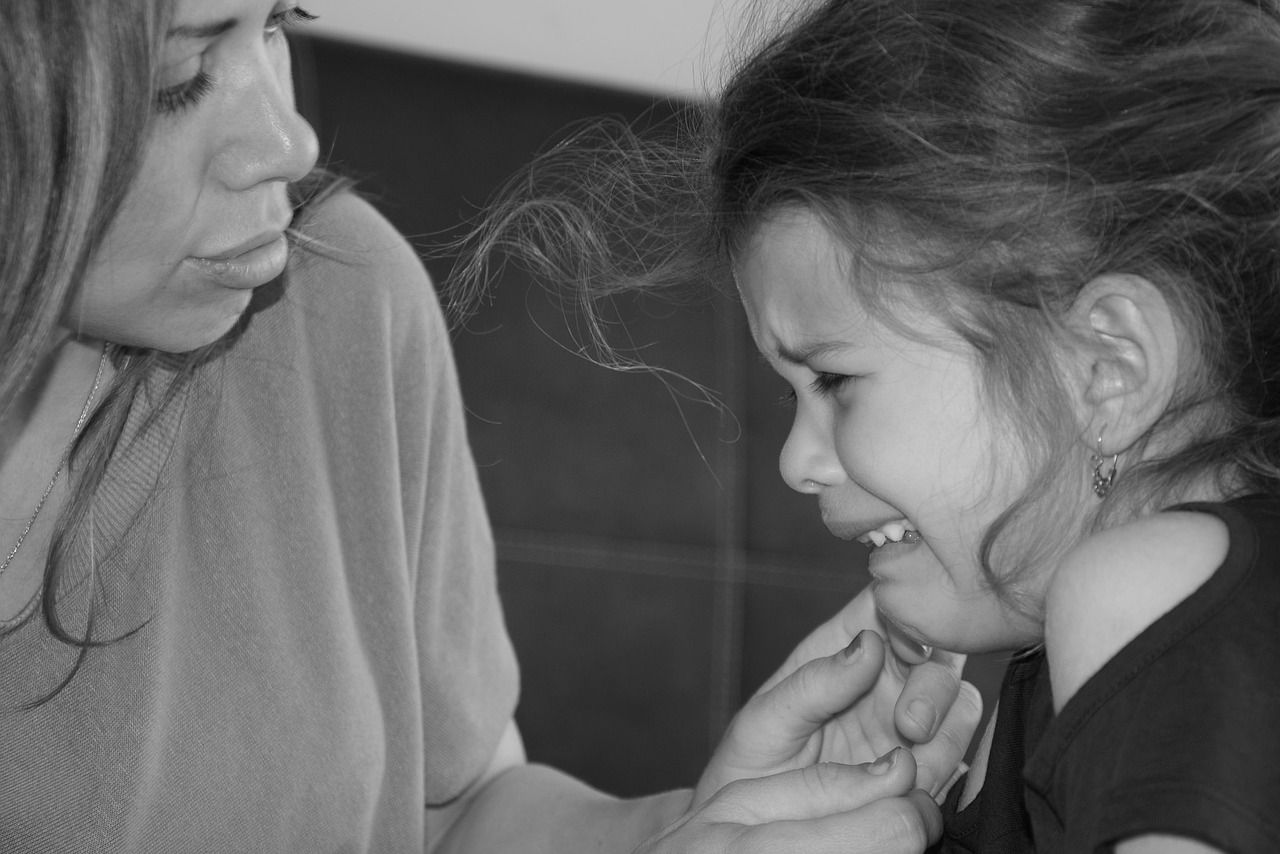
Representative image: codewan / Pixabay
A study of 609 families, reported 10 November 2026, finds irritability at age 3 predicts harsher parenting at 6 more than parenting predicts irritability.
What Happened
A child's irritability at the age of three shapes how parents treat that child three years later more strongly than parenting at three shapes the child's later irritability, according to a study of 609 mother-child pairs published in the Journal of Clinical Child & Adolescent Psychology and reported on Tuesday, 10 November 2026. The researchers, including Jamilah Silver, Lea Dougherty and Daniel Klein, used data from the Stony Brook Temperament Study in the United States. They found that more irritable three-year-olds were met, by age six, with less supportive and more hostile parenting, while influence in the other direction was weaker. The effects were modest, the authors reported.
Child Irritability: key facts
- The study followed 609 mother-child pairs from age 3 to age 6, drawn from the Stony Brook Temperament Study.
- Higher irritability at age 3 predicted less observed parental support, more observed hostility and poorer parent-child relationship quality at age 6.
- It also predicted more authoritarian parenting at age 6, as reported by mothers.
- In the other direction, poorer observed relationship quality at age 3 predicted somewhat higher irritability at age 6.
- Observed parental support and hostility at age 3 did not significantly predict a child's irritability three years later.
- For fathers, more permissive parenting at age 3, as they reported it, predicted higher child irritability at age 6.
- The findings held after the researchers adjusted for parents' lifetime mood, anxiety and substance use disorders, and for the child's sex.
Child Irritability: why it matters
Much parenting advice assumes that influence runs one way: parents shape children. This study tests the idea that it runs both ways, and finds that a toddler's temperament can wear on the adults around them. Irritability here means a tendency to become angry, cranky or easily frustrated, more often and more strongly than other children of the same age. A child who is frequently irritable can be tiring to care for, and the study suggests that over three years this strain shows up in less warmth and more harshness from parents.
The researchers did not rely only on what parents said about themselves. They watched parents and children together during teaching tasks in the laboratory and coded how supportive or hostile the parent was and how good the relationship looked. They also used the Parenting Styles and Dimensions Questionnaire, filled in by mothers and fathers, which sorts parenting into authoritative (warm with clear rules), authoritarian (strict and controlling) and permissive (warm with few rules). Using both methods makes the pattern harder to dismiss as a reporting quirk.
The finding on fathers stands out. Mothers' strict, authoritarian parenting rose after early irritability, but it was fathers' permissive style at age three that went with more irritability later. The authors describe the pathways as asymmetrical and different for each caregiver, which points to the shared nature of raising a child: both parents' habits matter, and they do not matter in the same way.
For families, including those where grandparents or other relatives share the care of young children, the study is a reminder that a hard-to-soothe child is not simply the product of "bad parenting", and that the stress of caring for such a child is real. The study does not offer treatment advice, and all its families came from one study in the United States, so its results may not apply equally everywhere.
Peepals timeline: The study measured each family twice. Children and parents were first assessed when the children were three, and again when they were six, a gap of three years. The same group of children has been followed in other papers into adolescence, up to age 15. The new paper on parenting and irritability was reported on 10 November 2026.
| Measured at | What was assessed | Key result |
|---|---|---|
| Age 3 | Child irritability; observed and reported parenting | Starting point for 609 families |
| Age 6 | The same measures again | Irritability at 3 predicted harsher, less supportive parenting |
| Both directions | Parenting at 3 to irritability at 6 | Weaker link; fathers' permissiveness the exception |
Impact
Short-term: The study gives parents, paediatricians and teachers a clearer picture of how a young child's temperament and the family's responses feed into each other.
Long-term: If confirmed in other countries and groups, the findings could shift parenting support towards helping families cope with a difficult temperament early, rather than focusing only on correcting parents.
Who is affected: Parents and caregivers of young children, especially those caring for children who are often irritable, and the professionals who advise them.
Key Takeaway
A three-year-old's irritability predicts harsher, less supportive parenting by age six more strongly than parenting predicts the child's later irritability, a study of 609 families has found.
Questions and Answers
What did the parenting and irritability study find?
In 609 mother-child pairs followed from age 3 to 6, children who were more irritable at three later received less supportive, more hostile parenting and had poorer relationships with their parents. The influence of parenting at three on irritability at six was weaker.
Does this mean parents are not responsible for a child's irritability?
No. The study found effects in both directions, but the child-to-parent link was stronger. Poorer relationship quality at three, and fathers' permissive parenting at three, still predicted more irritability at six.
How was parenting measured in the study?
Researchers observed parents and children during teaching tasks in a lab and rated support, hostility and relationship quality. Mothers and fathers also filled in a questionnaire on their parenting style.
Where was the study published?
In the Journal of Clinical Child & Adolescent Psychology, using data from the Stony Brook Temperament Study in the United States; it was reported on 10 November 2026.
Disclaimer: Prepared by the Peepals newsroom from publicly available sources with AI assistance. Information is accurate to the best of our knowledge at the time of publication and may change. Images may be representative. Not professional advice. Report an error via our contact page.
By Simran Kaur, Staff WriterCovers Fashion and more for Peepals Shakti. All stories by Simran Kaur
Patricia Lar becomes University of Jos' first woman Vice-Chancellor
Mental load study: shared planning matters more to women than chores
Get the day's stories in your inbox
Peepals Weekly: the week decoded, free. One email a week, unsubscribe in one click.
Simran Kaur is a pen name of the Peepals Global Editorial Team, which researches, fact-checks and publishes every story. The portrait is an illustration.
Editor: Prashant Sonar. How we report