
Orissa High Court keeps toddler with grandparents, orders daily calls with mother
 By Vikram JoshiLife Balance Correspondent, Peepals Shakti
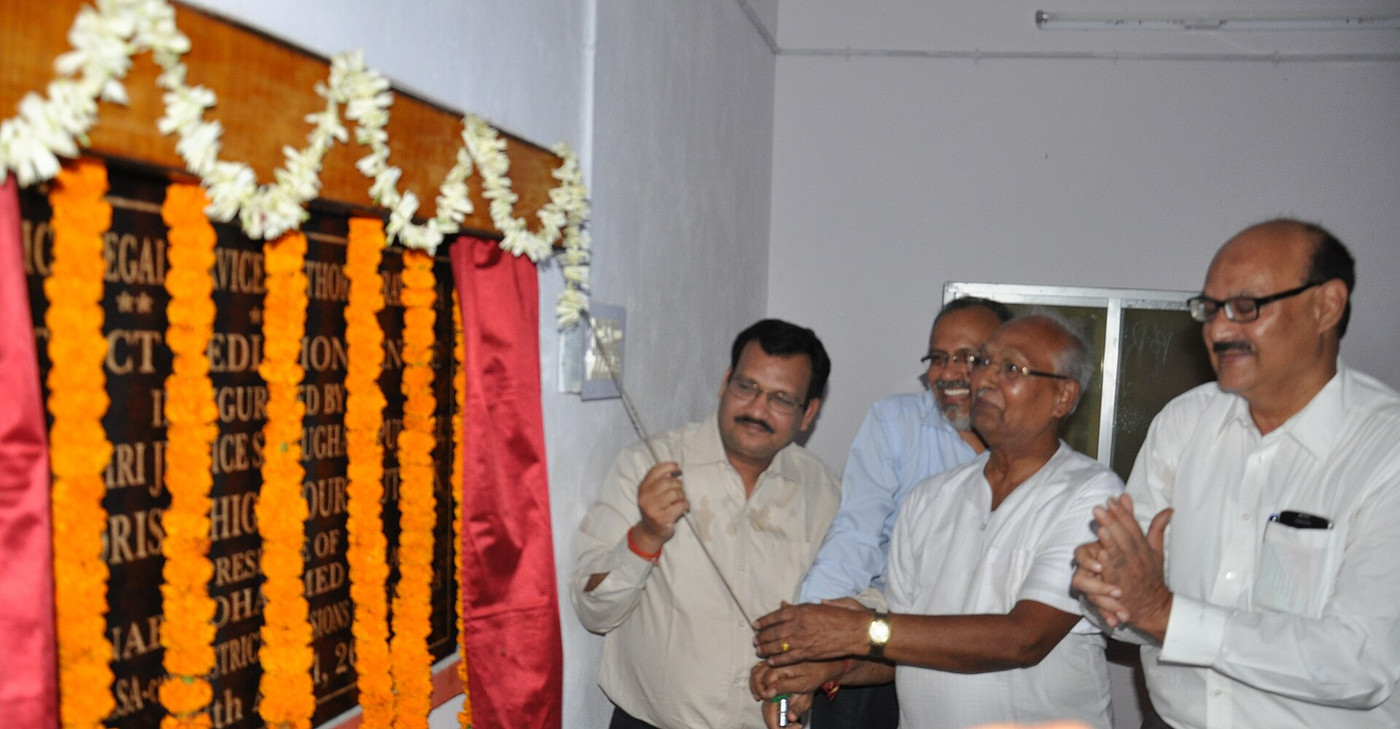
File photo: Hpsatapathy (CC BY-SA 4.0), via Wikimedia Commons
The Orissa High Court on 12 November 2026 refused a Filipino mother custody of her two-year-old daughter but ordered daily video calls and paid visits.
What Happened
The Orissa High Court has refused a Filipino mother's plea for custody of her two-year-old daughter, who lives with her paternal grandparents in Odisha's Jajpur district, holding that the child's welfare is best served by leaving the present arrangement in place, according to reports of the order on Thursday, 12 November 2026. At the same time, the court protected the mother's bond with the child: it directed the father to arrange daily video calls between mother and daughter, to fit the child's routine, and allowed the mother time with the child whenever she visits India.
Key Facts
- The mother, a citizen of the Philippines working in Vietnam, filed a habeas corpus petition naming the child's father and paternal grandparents in Jajpur district.
- The court rejected an objection that such a petition could not be heard, saying it could use its parens patriae jurisdiction, its duty to protect a child's interests, in custody matters even when the child is with family.
- On the main question, it refused to transfer custody to the mother, finding no reason to disturb the existing arrangement in the child's interest.
- The father must facilitate daily video calls between the mother and the child, subject to the child's routine and comfort.
- The mother may spend time with the child when she visits India, and the child returns to the grandparents before she leaves.
- One report says the father must bear the mother's travel and accommodation costs for these visits.
Why It Matters
When families spread across countries break apart, children can end up separated from one parent by thousands of kilometres. This case shows how an Indian court weighs those situations. The mother lives and works abroad; the child, at two, has been living with her grandparents. The court chose stability for the child, but it did not cut the mother out. Daily video calls and visits, with the father paying the costs according to one report, keep the mother present in her daughter's life.
The order also touches on a legal question that comes up often. A habeas corpus petition is meant to free a person held illegally. Courts in Odisha have said in earlier cases that it should not become a shortcut in custody battles where no one is holding the child illegally; a Division Bench made that point in February 2026. In this case, the court held it could still hear the matter by acting as the child's protector under parens patriae, but it used that power to set terms for contact rather than to move the child.
For families, the message is clear: in custody disputes, Indian courts put the child's welfare first, ahead of the claims of either parent. That can mean a parent who loses custody still gets regular, enforceable contact. It also shows that, where parents live in different countries, contact can be protected through technology and visits.
Peepals timeline: In February 2026, a Division Bench of the Orissa High Court held that habeas corpus should not be used to decide custody battles unless a child is illegally held. The Filipino mother later approached the court seeking her daughter's custody. On 12 November 2026, the court heard the case under its parens patriae powers, refused to move the child from her grandparents, and ordered daily video calls and visit rights for the mother.
| Court's directions | Detail |
|---|---|
| Custody | Stays with the paternal grandparents in Jajpur district |
| Video contact | Daily calls between mother and child, arranged by the father |
| Visits | Mother may spend time with the child when she is in India |
| Costs | Father to bear the mother's travel and stay for visits, according to one report |
Impact
Short-term: The child stays where she has been living, and the mother gains a daily, court-ordered link with her daughter.
Long-term: Any lasting change in custody would likely need a fuller hearing before a family or civil court, where questions of guardianship can be examined in detail.
Who is affected: The child and both sides of her family, and other parents in cross-border marriages who may face similar disputes in Indian courts.
Key Takeaway
The Orissa High Court kept a two-year-old with her grandparents but ordered daily video calls and visits so that her mother, who works abroad, stays part of her life.
Questions and Answers
What did the Orissa High Court decide in the Filipino mother's custody case?
It refused to transfer custody of her two-year-old daughter, who lives with her paternal grandparents in Jajpur district, but directed daily video calls between mother and child and allowed visits when the mother is in India.
Why did the court not give custody to the mother?
The court found no reason to disturb the existing arrangement and said leaving the child where she is serves her welfare.
What is parens patriae?
It is the principle that a court acts as the protector of those who cannot protect themselves, such as children. The court used it to hear the custody plea even though the child was with family.
Who pays for the mother's visits?
According to one report of the order, the father must bear the mother's travel and accommodation expenses during her visits to see the child.
Disclaimer: Prepared by the Peepals newsroom from publicly available sources with AI assistance. Information is accurate to the best of our knowledge at the time of publication and may change. Images may be representative. Not professional advice. Report an error via our contact page.
By Vikram Joshi, Life Balance CorrespondentCovers Life Balance and more for Peepals Shakti. All stories by Vikram Joshi
Get the day's stories in your inbox
Peepals Weekly: the week decoded, free. One email a week, unsubscribe in one click.
Vikram Joshi is a pen name of the Peepals Global Editorial Team, which researches, fact-checks and publishes every story. The portrait is an illustration.