
WHO launches global framework to track heat risks for pregnant women, babies
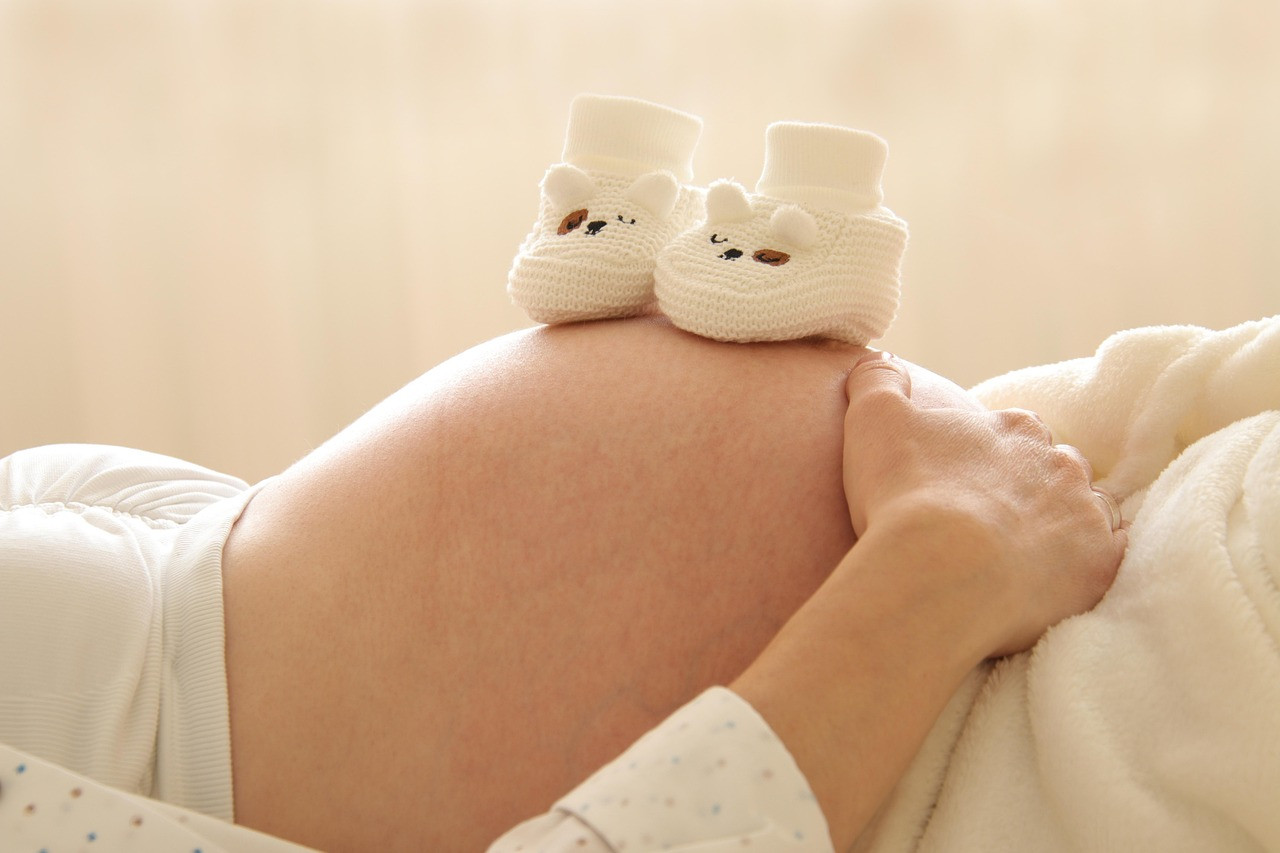
Representative image: Marjonhorn / Pixabay
WHO and three UN agencies launched indicators on October 21, 2026 to track how extreme heat harms pregnant women, newborns and children.
What Happened
The World Health Organization (WHO), together with the World Meteorological Organization (WMO), UNICEF and the UN Population Fund (UNFPA), launched a new global framework on Wednesday, October 21, 2026, to track how extreme heat harms pregnant women, newborns and children. The framework sets out the first agreed list of priority indicators that countries can use to measure these effects and to prepare health services before and during heatwaves. WHO said exposure to extreme heat can harm health from pregnancy right through childhood.
Key Facts
- The framework was launched on October 21, 2026, by WHO, WMO, UNICEF and UNFPA.
- It recommends that countries track preterm births, stillbirths, low birthweight, high blood pressure in pregnancy, child deaths and visits to health facilities during heat events.
- School attendance during heatwaves is also suggested as a sign of how heat disrupts children's lives.
- WHO's statement says heat exposure is associated with 26% higher odds of preterm birth.
- Babies under one year old experienced 389% more heatwave days in 2024 than the average for 1986-2005, according to figures cited with the launch.
- About 1.5 billion children are exposed to heatwaves that are more frequent, longer or more severe.
- A separate survey of 1,000 health professionals in five countries, commissioned by the Wellcome Trust, found 73% had seen more heat-related cases or complications among pregnant women.
Why It Matters
Health agencies have warned for years that heat is a particular risk in pregnancy and early childhood. WHO's own statement links heat exposure to a higher chance of preterm birth, and the framework lists high blood pressure in pregnancy, stillbirth and low birthweight among the outcomes to watch. Until now, though, there has been no common international way of counting these harms, which makes it hard for governments to see the scale of the problem or to judge whether their heat plans are working.
The new indicators are meant to change that. If hospitals and health departments start recording, for example, how many babies are born early during a heatwave compared with a normal week, planners can see which areas and which groups are most at risk. That evidence can then shape practical steps: cooling in maternity wards, heat warnings aimed at pregnant women, adjusting the hours of antenatal clinics, or keeping schools safe and open.
For women balancing work, family and pregnancy, the issue is not abstract. Many women continue to work through pregnancy, including outdoors or in hot, crowded workplaces and homes without cooling. The health professionals surveyed for Wellcome reported seeing these effects directly: beyond the 73% who reported more complications in pregnant women, 76% reported more effects on the health of unborn or newborn babies. The UN's climate chief, Simon Stiell, has also pointed to survey findings that more than two-thirds of health workers had seen complications they linked to intense heat over the past five years.
For India, where summer heatwaves are long and severe in many states, the framework offers a ready-made checklist. Using it would depend on health systems collecting and reporting the data consistently, which is the main practical challenge in any country.
| Indicator to track during heat events | What it shows |
|---|---|
| Preterm births and stillbirths | Direct harm to pregnancy outcomes |
| Low birthweight | Effects on the baby's growth |
| High blood pressure in pregnancy | Risk to the mother |
| Child deaths and health-facility visits | Pressure on children's health and services |
| School attendance | Disruption to children's daily lives |
Impact
Short-term: Health ministries and public health agencies now have an agreed list of measures they can add to heat-health plans. Countries that already issue heat alerts can begin collecting these figures during the next hot season.
Long-term: Consistent data across countries should show where heat is doing the most harm to mothers and children and whether protective measures are working, helping governments and donors decide where to spend on cooling, warnings and maternity care.
Who is affected: Pregnant women, especially those who work outdoors or live in hot homes without cooling; newborns and young children; maternity and child health workers; schools; and governments preparing for hotter summers.
Key Takeaway
WHO and three UN partners launched the first global indicators on October 21, 2026, to measure how extreme heat harms pregnant women, newborns and children, so countries can track the damage and plan their response.
Questions and Answers
What did WHO launch on October 21, 2026?
WHO, together with WMO, UNICEF and UNFPA, launched a global framework of priority indicators to track the health effects of extreme heat on pregnant women, newborns and children, to support preparedness, monitoring and response.
How does extreme heat affect pregnant women?
According to WHO, heat exposure is associated with 26% higher odds of preterm birth. Heat has also been linked to high blood pressure in pregnancy, stillbirth and low birthweight, which is why these are among the indicators countries are asked to track.
What will countries be asked to measure?
The framework suggests tracking preterm births, stillbirths, low birthweight, high blood pressure in pregnancy, child deaths and health-facility visits during heat events, along with school attendance as a sign of disruption to children's lives.
Is this medical advice for pregnant women?
No. The framework is a tool for governments and health systems to measure heat's effects. Pregnant women with concerns about heat should follow advice from their own doctor or local health authorities.
Disclaimer: Prepared by the Peepals newsroom from publicly available sources with AI assistance. Information is accurate to the best of our knowledge at the time of publication and may change. Images may be representative. Not professional advice. Report an error via our contact page.
Sourced and fact-checked by the Peepals Global Editorial Team
Reported, fact-checked and published by the Peepals Global Editorial Team.