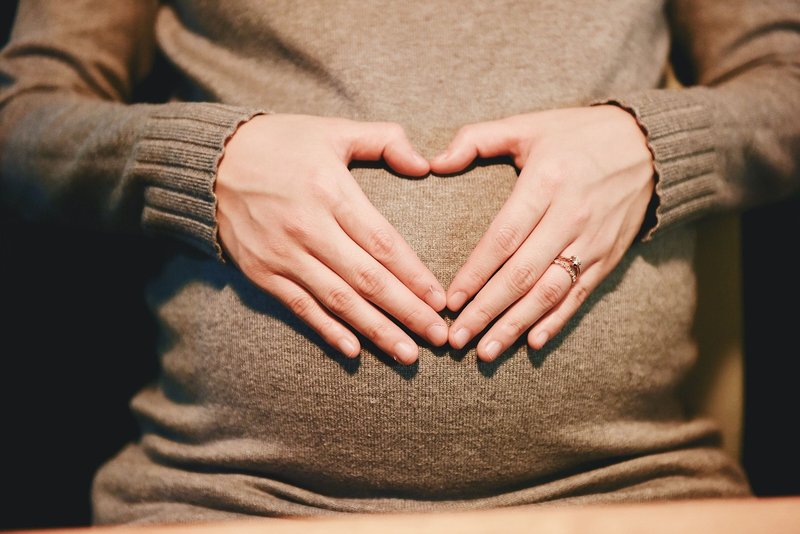

No clear rise in pregnancy risks after GLP-1 use near conception, review finds
Representative image: Jupilu / Pixabay
A review of 2.1 million pregnancies found no clear rise in harm after GLP-1 drug exposure around conception, but authors say the drugs are not proven safe in pregnancy.
What Happened
The largest review yet of pregnancies exposed to GLP-1 drugs, the class of medicines used for type 2 diabetes and weight loss, has found no clearly detectable rise in harm to mothers or babies when women took the drugs around the time of conception. The study, led by Professor Asma Khalil of City St George's, University of London, with first author Francesco D'Antonio, was published in the journal Med and announced by the university in early October 2026. It pooled data from 10 observational studies covering 2,118,215 pregnancies, of which 8,325 involved exposure to a GLP-1 receptor agonist around conception. The authors stressed that the result does not prove the drugs are safe in pregnancy, and that the advice to stop them before a planned pregnancy stays the same.
Key Facts
- Study: a systematic review and meta-analysis published in Med in 2026, led by City St George's, University of London.
- Size: 10 observational studies, 2,118,215 pregnancies in total, 8,325 exposed to GLP-1 drugs around conception.
- Outcomes checked: miscarriage, stillbirth, birth defects, preterm birth, gestational diabetes, high blood pressure disorders of pregnancy, excessive weight gain and abnormal birth size.
- Result: no clearly detectable increase in any of these compared with unexposed pregnancies.
- The authors say this does not establish safety; current advice to stop the drugs before a planned pregnancy is unchanged.
- Separate, smaller meta-analyses published this year have also found no link with major birth defects, while noting their observational design and limited numbers.
Why It Matters
GLP-1 medicines, a class that includes semaglutide, have spread quickly from diabetes clinics into everyday weight-loss treatment. Many of the people taking them are women of childbearing age, and unplanned pregnancies happen. Until now, women who found out they were pregnant while taking a GLP-1 drug had very little data on what that exposure might mean, and the uncertainty caused real anxiety.
This review offers some reassurance for that situation. Across more than two million pregnancies, the researchers could not find a clear signal of extra harm in those exposed early. That is useful information for doctors counselling a worried patient. But it is not a green light. All the studies were observational, which means they compare groups rather than test the drug directly, and the number of exposed pregnancies, while the largest so far, is still modest for spotting rarer problems. Effects on mothers in particular need more study.
The practical message for women is simple. If you are taking a GLP-1 drug and planning a pregnancy, the guidance is still to stop beforehand, in discussion with your doctor. If you become pregnant while taking one, speak to your doctor promptly, knowing that the largest evidence so far has not found a clear increase in risk.
| Situation | What the evidence and advice say |
|---|---|
| Planning a pregnancy on a GLP-1 drug | Stop beforehand, with medical advice; guidance unchanged |
| Pregnant after early GLP-1 exposure | No clear rise in harm found; see a doctor promptly |
| Using the drug during pregnancy | Not shown to be safe; not recommended |
Impact
Short-term: Doctors have stronger data to reassure women who discover an early pregnancy while on these drugs, which may reduce anxiety and unnecessary decisions made out of fear.
Long-term: As GLP-1 use grows worldwide, larger studies and registries will be needed to confirm safety for mothers and children, and to check rarer outcomes this review could not.
Who is affected: Women of childbearing age taking GLP-1 drugs for diabetes or weight loss, couples planning pregnancy, obstetricians, diabetes specialists and family doctors.
Key Takeaway
The biggest review so far finds no clear rise in pregnancy harm after GLP-1 exposure around conception, but researchers say the drugs are not proven safe and should still be stopped before a planned pregnancy.
Questions and Answers
What did the new study find?
Across 2,118,215 pregnancies in 10 studies, including 8,325 exposed to GLP-1 drugs around conception, it found no clearly detectable increase in miscarriage, stillbirth, birth defects, preterm birth or other pregnancy complications.
Does this mean GLP-1 drugs are safe in pregnancy?
No. The authors say the findings do not establish safety, because the studies were observational and the number of exposed pregnancies is still limited.
Should I stop my GLP-1 medicine before trying for a baby?
Yes. The researchers say current advice to stop these drugs before a planned pregnancy remains unchanged. Make the change with your doctor.
What if I found out I was pregnant while taking one?
Talk to your doctor promptly about what to do next. This review offers some reassurance that early exposure has not been clearly linked to higher risk.
Disclaimer: Prepared by the Peepals newsroom from publicly available sources with AI assistance. Information is accurate to the best of our knowledge at the time of publication and may change. Images may be representative. Not professional advice. Report an error via our contact page.
Sourced and fact-checked by the Peepals Global Editorial Team
Reported, fact-checked and published by the Peepals Global Editorial Team.