
Hormonal contraception and wellbeing: 5,200-woman study finds no average effect
 By Vikram JoshiLife Balance Correspondent, Peepals Shakti
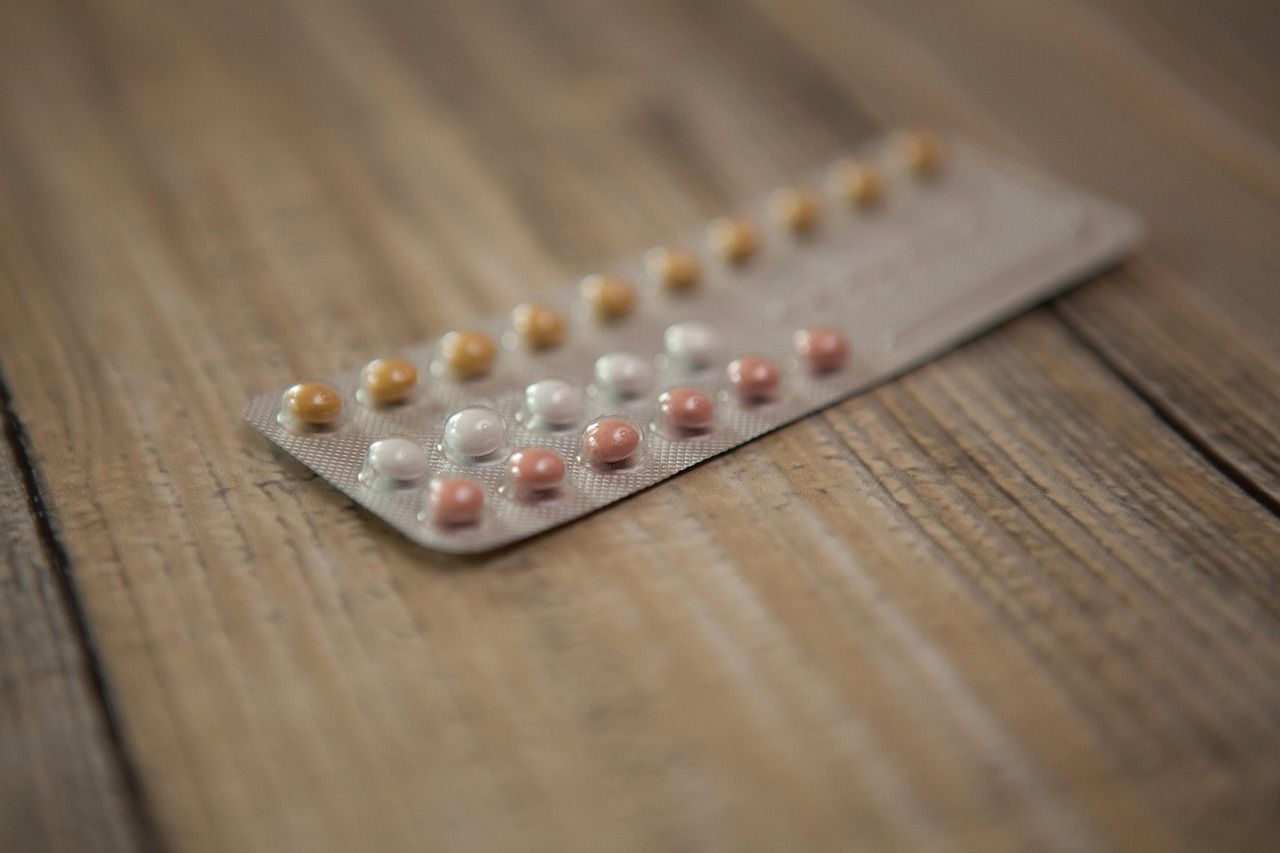
Representative image: GabiSanda / Pixabay
A study of over 5,200 women in Germany, published on 19 November 2026, found hormonal contraception did not change depression, life satisfaction or self-esteem on average.
Hormonal Contraception Wellbeing: what happened
A long-term study of more than 5,200 women in Germany has found no sign that hormonal contraception, such as the pill, changes how women feel about their lives on average. The paper, by psychologists from the universities of Göttingen, Leipzig and Witten/Herdecke, was published in the journal Personality Science on Thursday, 19 November 2026. "Overall, we found neither negative nor positive effects," lead author Laura Botzet said in the University of Göttingen's announcement.
Hormonal Contraception Wellbeing: key facts
- Sample: more than 5,200 women in Germany, aged 16 to 50, who answered questions about their contraception and their wellbeing repeatedly over several years.
- Data: the German Family Panel (PAIRFAM), a long-running survey of partnerships and family life.
- Measures: depression, life satisfaction and self-esteem. The study found no evidence of an effect on any of them.
- Individual differences: the effects varied less from woman to woman than is often assumed.
- Paper: "No average treatment effect and low heterogeneity of hormonal contraceptive use on women's well-being" by Laura Botzet, Julia Rohrer, Lars Penke and Ruben Arslan.
- Method: the plan was published in advance in 2025 as a "registered report", so the analysis was fixed before the results were known.
Hormonal Contraception Wellbeing: why it matters
Concern about mood side effects has long surrounded hormonal contraception; the university's own announcement presents the new study as refuting concerns about psychological side effects. Part of the problem is that many earlier studies compared users with non-users at a single point in time. That design cannot separate the effect of the pill from the differences between women who choose it and women who do not: age, relationships, health and life stage all differ between the groups. Some of those earlier studies did report links with depressive symptoms, which kept the concern alive.
The Göttingen-led team used a different design. Because PAIRFAM asks the same women the same questions year after year, the researchers could look at changes within one person, before and after she started or stopped hormonal contraception. A woman's own earlier answers become her comparison. This rules out many of the differences between people that cloud the older comparisons, although, like any survey study, it is not the same as a randomised trial in which a drug is assigned by chance.
The second finding is easy to miss but may matter more for everyday conversations. A common belief is that the pill suits some women well and makes others feel much worse, with the two groups cancelling each other out in averages. The researchers tested this and found that the effects differed between women less than is often assumed. In plain terms, the study found neither a hidden group of women strongly harmed nor one strongly helped, at least on the three measures it tracked.
The design choice of a registered report also adds weight. In this format, a journal reviews and accepts the research plan before the data are analysed, which reduces the temptation to search for a striking result after the fact. The team's plan was published in 2025, and the full results followed this week.
Peepals timeline: In 2025, the research plan was published as a registered report, fixing the questions and the analysis in advance. Over several years, PAIRFAM collected repeated answers from more than 5,200 women on their contraception and wellbeing. On 19 November 2026, the full paper appeared in Personality Science, and the University of Göttingen announced the findings the same day.
Hormonal Contraception Wellbeing: impact
Short-term: Women weighing contraception options, and the doctors and counsellors who advise them, have a large new study suggesting that, on average, hormonal methods do not lower wellbeing, self-esteem or life satisfaction. Individual experiences still matter, and any change of method is a decision to make with a doctor.
Long-term: The study's within-person design and pre-registered analysis may set a standard for future research on contraception and mood, and it may shift a public debate that has often relied on comparisons between different groups of women.
Who is affected: Women using or considering hormonal contraception, gynaecologists, family-planning programmes and researchers in women's mental health.
Hormonal Contraception Wellbeing: key takeaway
A woman worried about the pill and her mood should raise it with her doctor, and can note that this large long-term study found no average change in wellbeing.
Hormonal Contraception Wellbeing: questions and answers
Does hormonal contraception affect mental health, according to this study?
The study of more than 5,200 women in Germany found no evidence that it changes depression, life satisfaction or self-esteem on average, either for better or for worse.
How was this study different from earlier ones?
It followed the same women over several years and compared each woman with herself before and after starting or stopping hormonal contraception, instead of comparing users with non-users at one moment.
Does this mean no woman ever has mood changes on the pill?
No. The study describes averages and found that differences between women were smaller than often assumed, but individual experiences can still differ and should be discussed with a doctor.
Who carried out the research?
Psychologists Laura Botzet, Julia Rohrer, Lars Penke and Ruben Arslan, from the universities of Göttingen, Leipzig and Witten/Herdecke, using data from the German Family Panel.
Disclaimer: Prepared by the Peepals newsroom from publicly available sources with AI assistance. Information is accurate to the best of our knowledge at the time of publication and may change. Images may be representative. Not professional advice. Report an error via our contact page.
By Vikram Joshi, Life Balance CorrespondentCovers Life Balance and more for Peepals Shakti. All stories by Vikram Joshi
Early childhood care report: $35 billion a year needed for pre-school for all
MP Director General of Police: Pragya Richa Srivastava on UPSC shortlist
Your week ahead, every Sunday. Free.
Exam and result dates, IPOs opening, scheme deadlines, government holidays and the RBI decision for the next 7 days, plus the week's top stories. One email a week, unsubscribe in one click.
Vikram Joshi is a pen name of the Peepals Global Editorial Team, which researches, fact-checks and publishes every story. The portrait is an illustration.
Responsible for this story: the Peepals Global Editorial Team, led by editor Prashant Sonar. How we report