Kering's first India Generation Award honours Paiwand, A Blunt Story, Without
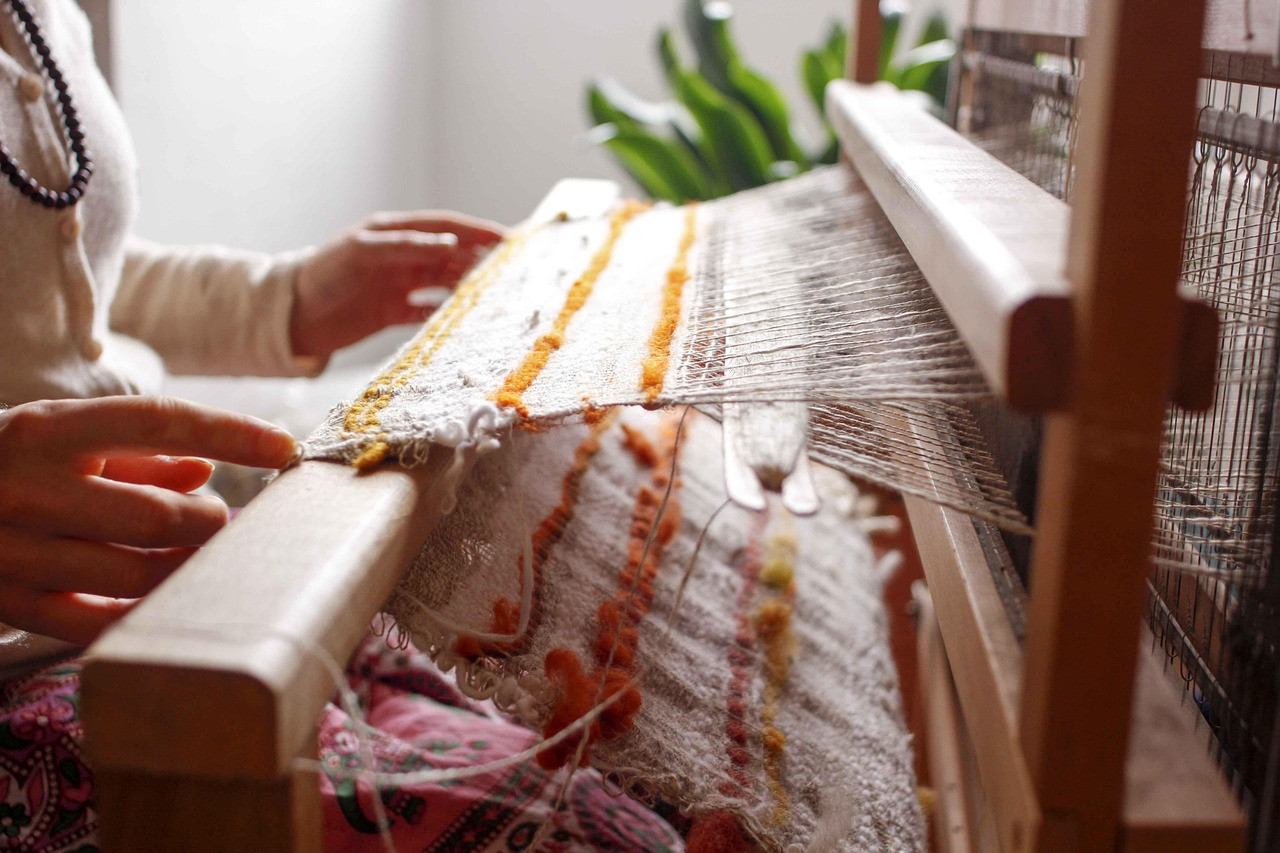
Representative image: videaki / Pixabay
Kering held its first Indian Generation Award in New Delhi on 13 Oct 2026, honouring three waste-to-material start-ups, two founded by women.
What Happened
French luxury group Kering presented the first Indian edition of its Kering Generation Award on Tuesday, 13 October 2026, at the Embassy of France in New Delhi. The prize, run in India with Reliance Brands Limited, went to three young sustainability businesses: Paiwand Studio, founded by Ashita Singhal; A Blunt Story, founded by Chandni Batra; and Without, founded by Anish Malpani. Two of the three winning ventures are led by women, and all three turn waste or low-impact materials into products for fashion and everyday use.
Key Facts
- The ceremony was held at the French Embassy in New Delhi on 13 October 2026, as the capital's fashion week got under way.
- Kering runs the award in India with Reliance Brands Limited; the two signed a memorandum of understanding in Paris, according to Kering's launch announcement in September.
- The Indian edition looked for start-ups with circular ideas that directly reduce the use of natural resources.
- Nominations came only through the R|Elan Circular Design Challenge, which is run in partnership with the United Nations in India.
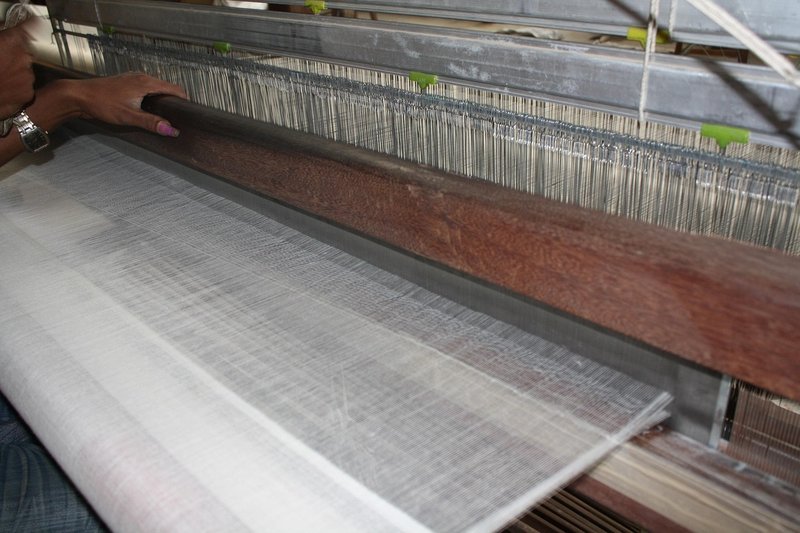
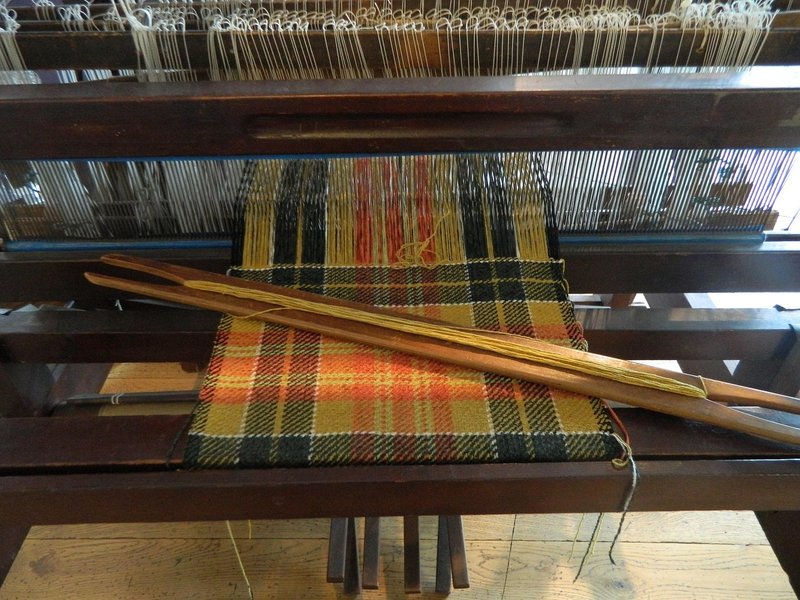
- Paiwand Studio, based in Noida, works with handloom weavers to blend textile waste into new woven materials. Singhal said she started it in 2018 while still a design student.
- A Blunt Story makes sandals from plant-based and recycled materials instead of oil-based inputs.
- Without uses patented technology to turn hard-to-recycle waste, such as chip packets, into material for eyewear, activewear, textiles and packaging, its founder said.
- The award began in China in 2018 and was taken to Japan and Saudi Arabia in 2024 before coming to India.
Why It Matters
Kering owns some of the best-known names in luxury fashion, and its sustainability prize is one of the ways it scouts for new materials and suppliers. Bringing the award to India puts small Indian studios in front of a jury and a network linked to global supply chains. Malpani said the win gives his company a chance to show its materials to large buyers, which is often the hardest step for a materials start-up: proving that a new fabric or plastic substitute can be made at scale and bought by big brands.
The win for Paiwand Studio is also a story about craft. Handloom is one of India's largest sources of rural work for women; government figures put the share of women in the handloom workforce above 70 per cent. Paiwand's model keeps the loom at the centre and changes the yarn, feeding in fabric scraps that would otherwise be thrown away. That gives weavers a product that speaks to buyers who care about waste, without asking them to abandon their skill.
A Blunt Story addresses a different gap. Footwear depends heavily on rubber, foams and synthetic leather made from petroleum. Batra's label is one of a small number of Indian brands trying to replace those inputs with plant-based and recycled ones, and recognition from a major luxury group can help a young, self-funded label win attention from retailers and investors.
The Indian edition also ties a European luxury group to a homegrown platform. The R|Elan Circular Design Challenge has been the main route into the award, so designers who enter that contest now have a further path to international recognition. Kering's sustainability chief Marie-Claire Daveu said India was chosen for its mix of sustainability work, entrepreneurship, craftsmanship and heritage, and indicated the company plans to return.
| Winner | Founder | What the business does |
|---|---|---|
| Paiwand Studio | Ashita Singhal | Weaves textile waste into new handloom materials |
| A Blunt Story | Chandni Batra | Makes sandals from plant-based and recycled materials |
| Without | Anish Malpani | Recycles hard-to-recycle waste into material for eyewear, textiles and packaging |
Impact
Short-term: The three winners gain visibility with a global luxury group, its Indian partner and the fashion press during one of the busiest weeks of the Indian fashion calendar. That can open doors to pilot orders, collaborations and mentoring.
Long-term: If the award returns each year, it could become a regular bridge between Indian circular-design start-ups and international buyers. It also signals to young designers, many of them women, that waste-based materials and craft-led production can be the basis of a serious business rather than a side project.
Who is affected: Founders of sustainable fashion and materials start-ups in India, handloom weavers who work with studios such as Paiwand, designers who enter the R|Elan Circular Design Challenge, and Indian and global brands looking for lower-impact materials.
Key Takeaway
Kering's first Indian Generation Award, presented in New Delhi on 13 October 2026, rewarded three waste-to-material businesses, two of them founded by women, and gave Indian circular design a new route to the global luxury industry.
Questions and Answers
What is the Kering Generation Award?
It is a prize run by the French luxury group Kering to find and support start-ups with ideas that make fashion and related industries more sustainable. It started in China in 2018, expanded to Japan and Saudi Arabia in 2024, and held its first Indian edition in New Delhi on 13 October 2026.
Who won the first Indian edition?
Three ventures were honoured: Paiwand Studio, founded by Ashita Singhal; A Blunt Story, founded by Chandni Batra; and Without, founded by Anish Malpani. Each works on turning waste or low-impact inputs into usable materials or products.
How could a start-up be considered for the award in India?
The Indian edition took nominations only through the R|Elan Circular Design Challenge, which is run in partnership with the United Nations in India. Kering's Indian partner for the award is Reliance Brands Limited.
Why does this matter for handloom weavers?
One winner, Paiwand Studio, works directly with handloom weavers and adds textile waste to their yarn to create new circular fabrics. Recognition of this model can bring more orders and buyer interest to weaving clusters, where most of the workforce is women.
Disclaimer: Prepared by the Peepals newsroom from publicly available sources with AI assistance. Information is accurate to the best of our knowledge at the time of publication and may change. Images may be representative. Not professional advice. Report an error via our contact page.
Sourced and fact-checked by the Peepals Global Editorial Team
Kendall Jenner named FWRD global creative director as Revolve widens partnership
Ladakh's women designers bring Pashmina crafts to Lakme Fashion Week on Oct 18
Reported, fact-checked and published by the Peepals Global Editorial Team.