Next, Primark, Tesco fund WRAP plan to fix UK's used-clothes collection
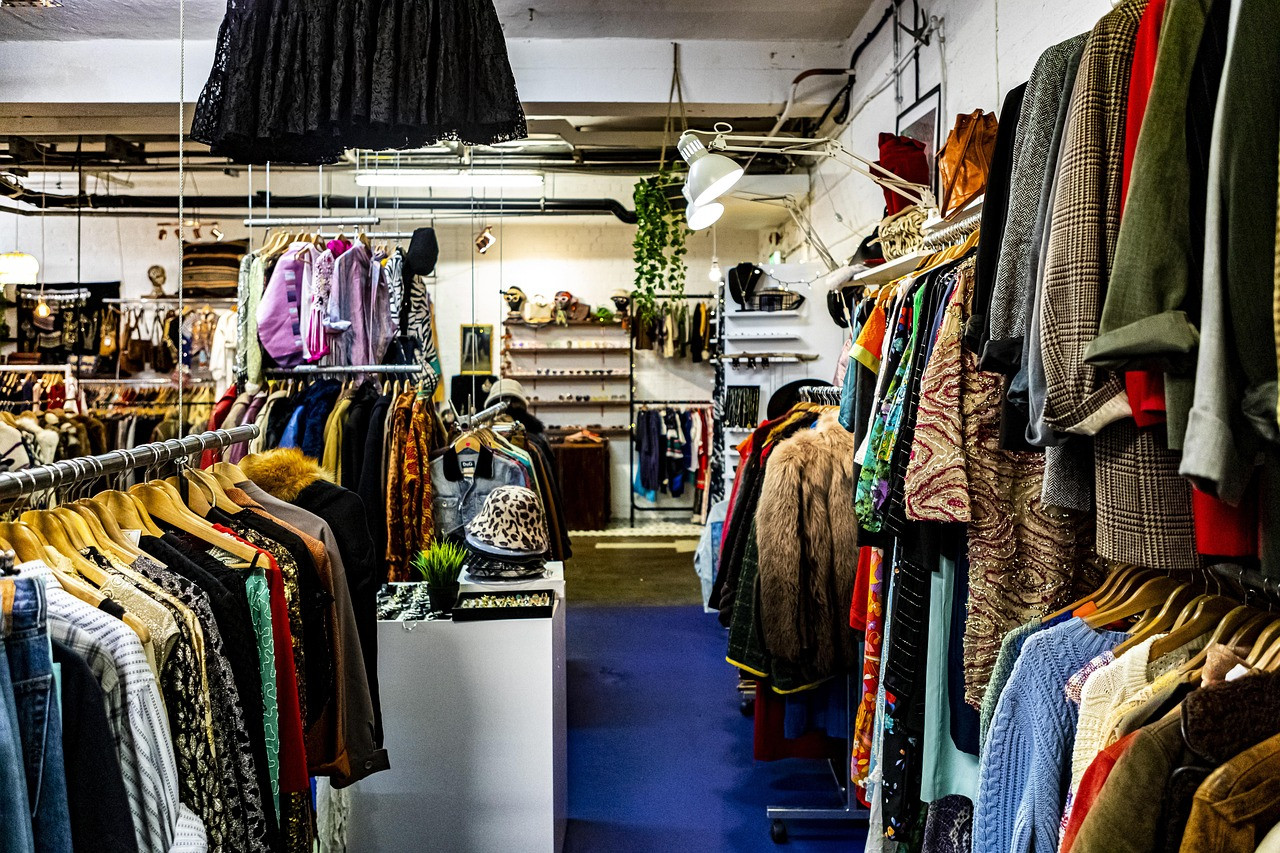
Representative image: hulkiokantabak / Pixabay
WRAP's new textiles collection programme, funded by Next, Primark and Tesco and launched in October 2026, targets the 1.45m tonnes of clothes the UK sheds yearly.
What Happened
The UK charity WRAP, which works on reducing waste, has launched a multi-year programme to redesign how used clothes and other textiles are collected, with the retailers Next, Primark and Tesco paying for its first phase. The Textiles Collections Transition Programme was announced around October 8 and 9, 2026, and its first report, "Transformative Practice in Textiles Collection", reviews how worn clothing is gathered today and what would keep more of it out of landfill. WRAP plans to hold workshops with brands, charities, councils, collectors and recyclers from October to January, and to publish a co-designed "Blueprint" for a new collection system in spring 2027.
Key Facts
- WRAP estimates that about 1.45 million tonnes of post-consumer textiles are thrown out or passed on in the UK each year, roughly 21 kilograms per person.
- Its research has found that nearly half of these textiles end up in general household rubbish or the wrong recycling stream.
- Next, Primark and Tesco are funding Phase One of the programme.
- Reports on the launch say the price charities receive for collected textiles fell from 375 pounds a tonne in January 2024 to about 70 pounds two years later.
- The cost of collecting and sorting worn-out textiles is put at around 88 million pounds a year.
- Early priorities include making it easier for people to donate or dispose of clothes properly, and a fairer way of sharing costs and value along the chain.
- WRAP describes the effort as a global programme, though its first work focuses on the UK.
Why It Matters
Most people who give away a bag of clothes assume it will be worn again. In practice, the system that takes clothes from wardrobes to charity shops, resale markets and recyclers is under strain: the volume of discarded textiles is rising while the money that collectors and charities earn from selling them has fallen sharply. When the value of a tonne of donated clothing drops from hundreds of pounds to tens, collection becomes harder to pay for, and more clothing slips into ordinary rubbish.
That is why the involvement of large retailers matters. Next, Primark and Tesco together sell a large share of the clothing bought in Britain. By paying for the first phase, they are taking part in designing the system that deals with what they sell once it is worn out. WRAP's chief executive, Catherine David, has described the task as a challenge for the whole industry that no single organisation can solve alone, according to reports on the launch.
For people who work in fashion, including the many women who design, make, sell and resell clothes, the direction of travel is clear. Designing garments that last, can be repaired and can be sorted and recycled is becoming a basic business question, and the programme gives brands a direct part in it. Resale, repair and rental businesses depend on a steady flow of good-quality used clothing, which a better collection system would support.
| Measure | Figure |
|---|---|
| UK post-consumer textiles a year | about 1.45 million tonnes |
| Per person | about 21 kg |
| Share ending in residual waste or wrong stream | nearly half |
| Charity price for collected textiles | from 375 to about 70 pounds a tonne |
Impact
Short-term: Workshops run from October 2026 to January 2027. Shoppers will not see changes yet, but brands, charities and councils will be asked to agree on shared problems and options.
Long-term: If the spring 2027 Blueprint is adopted, the UK could get clearer donation and collection routes, more sorting capacity and a funding model that does not rely only on falling resale prices. The approach may be copied by other countries looking at textile waste.
Who is affected: Clothing retailers and brands; charities that depend on donated clothes; local councils and waste collectors; recyclers and resale businesses; and shoppers deciding what to do with clothes they no longer wear.
Key Takeaway
WRAP's new programme, backed by Next, Primark and Tesco, aims to fix a UK clothing collection system in which nearly half of discarded textiles end up as rubbish and the value of donated clothes has collapsed.
Questions and Answers
What is WRAP's Textiles Collections Transition Programme?
It is a multi-year programme launched by the UK waste charity WRAP in October 2026 to redesign how used clothes and textiles are collected, sorted and passed on, with the aim of keeping more of them out of landfill and incineration.
Which companies are funding it?
Next, Primark and Tesco are paying for the first phase. Other brands, charities, councils, collectors and recyclers are being invited into workshops that run until January 2027.
How much clothing does the UK throw away?
WRAP estimates that about 1.45 million tonnes of post-consumer textiles arise in the UK each year, around 21 kilograms per person, and that nearly half go into general rubbish or the wrong recycling stream.
When will the new collection plan be ready?
WRAP plans to publish a co-designed Blueprint in spring 2027, with work to put it into practice expected to begin after that.
Disclaimer: Prepared by the Peepals newsroom from publicly available sources with AI assistance. Information is accurate to the best of our knowledge at the time of publication and may change. Images may be representative. Not professional advice. Report an error via our contact page.
Sourced and fact-checked by the Peepals Global Editorial Team
Minnesota, Tennessee set to elect first women governors as US record 26 run
Reliance Foundation, Estée Lauder charity aim to train 1 million girls in India
Reported, fact-checked and published by the Peepals Global Editorial Team.