
Child's leukaemia reshapes family life: 81% of households report big changes
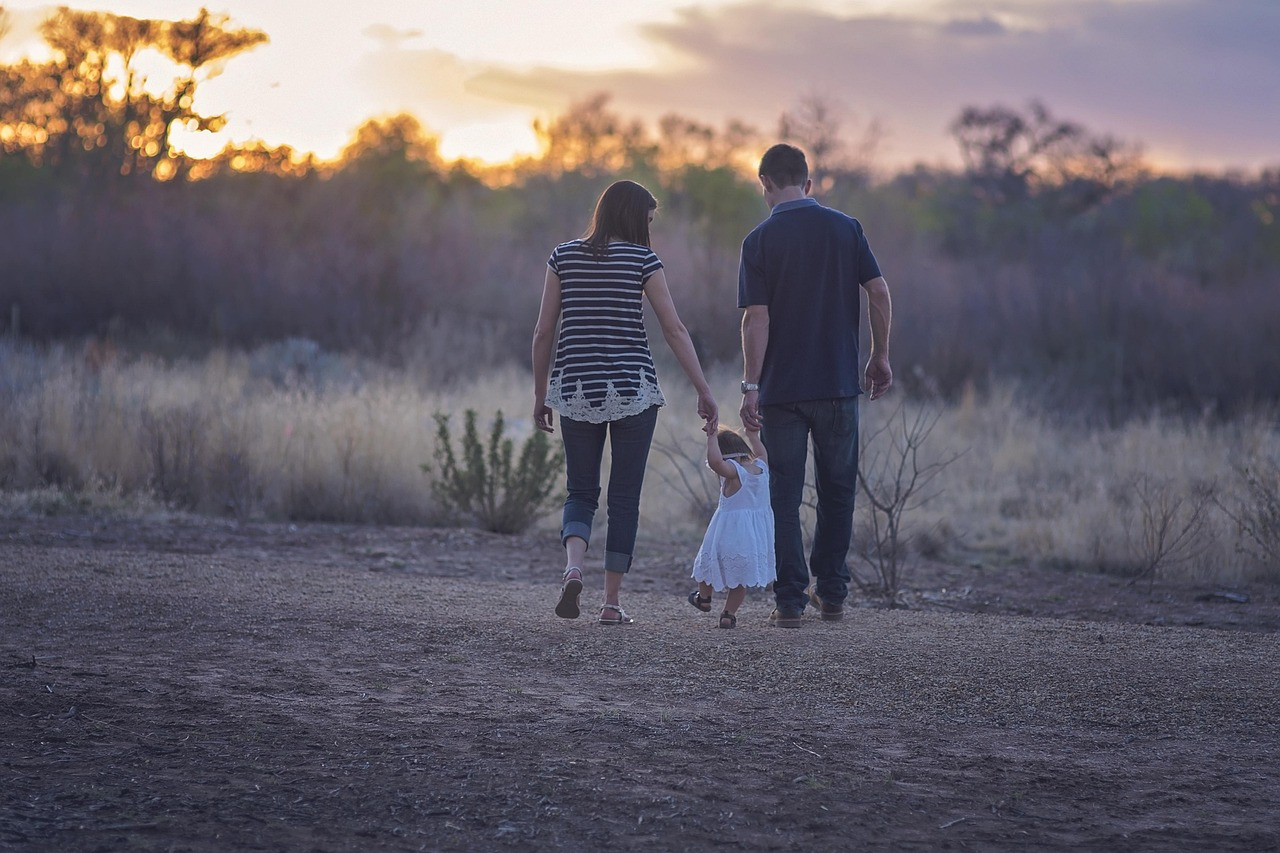
Representative image: TheVirtualDenise / Pixabay
A JNCCN study announced on 13 October 2026 found 81.2% of families of 420 children treated for curable leukaemia reported major household changes within 26 months.
What Happened
Even when a child's cancer is highly curable, the diagnosis quickly changes the whole family's life, according to a study published in the October 2026 issue of JNCCN, the Journal of the National Comprehensive Cancer Network, and announced on 13 October 2026. Researchers followed the families of 420 children treated for standard-risk B-cell acute lymphoblastic leukaemia, in a clinical trial that ran from September 2010 to April 2013. Within about two months of diagnosis, 56.2 per cent of families reported at least one major household change, such as a change in a parent's job or marital status. By 26 months, that share had risen to 81.2 per cent.
Key Facts
- The study followed 420 children with standard-risk B-cell acute lymphoblastic leukaemia, treated between September 2010 and April 2013.
- 56.2 per cent of families reported at least one household change within about two months of diagnosis.
- By 26 months, 81.2 per cent of families had reported such a change.
- Changes included employment and marital status of parents.
- The trial compared two maintenance schedules; families on the less frequent schedule (every 12 weeks) were less likely to report at least $100 in leukaemia-related expenses, but most other family outcomes were similar.
- Lead author Rozalyn Rodwin suggested that doctors routinely screen caregivers for financial strain.
Why It Matters
The study's title stresses that even highly curable childhood cancers take a toll. It shows that a good medical outcome does not mean an easy journey for the family. In the trial, families were followed for more than two years of treatment. More than half of the families saw a major change in their household within just two months, which shows how fast the pressure builds.
The findings matter for how families support each other. When a parent's job changes to make time for care, household income can fall just as costs rise, and the strain reaches siblings and couples too. The study's focus on household changes, rather than only on the sick child, is a reminder that a serious illness happens to the whole family.
For Indian families, the message is familiar. Cancer treatment for a child often means travelling to a city hospital, staying for weeks, and relying on grandparents, relatives and neighbours to keep the home running. Extended family networks can soften the blow, but costs and lost income still fall heavily on parents. The authors' call to screen caregivers for financial strain is relevant for Indian hospitals too, where social workers and support groups can connect families with government schemes, charities and counselling.
There is also a practical point on treatment design. The finding that a less frequent maintenance schedule reduced some out-of-pocket costs suggests that, where outcomes are similar, choosing simpler regimens can ease the burden on families.
| | Time after diagnosis | Families reporting a household change | |
|---|---|
| | About 2 months | 56.2% | |
| | 26 months | 81.2% | |
Impact
Short-term: The study adds evidence for hospitals to check on caregivers' finances and wellbeing early in a child's cancer treatment.
Long-term: Routine family screening and support could become part of standard childhood cancer care, and treatment plans may weigh family burden alongside medical results.
Who is affected: Parents and siblings of children with cancer, grandparents and extended family who help with care, paediatric cancer doctors, hospital social workers and support charities.
Key Takeaway
A JNCCN study published in October 2026 found that 81.2 per cent of families of children treated for curable leukaemia reported a major household change within about two years, showing how a child's cancer reshapes family life.
Questions and Answers
What did the JNCCN childhood leukaemia study find?
Among 420 children treated for standard-risk B-cell acute lymphoblastic leukaemia, 56.2 per cent of families reported a household change within about two months of diagnosis, rising to 81.2 per cent by 26 months.
What kinds of changes did families report?
Changes included shifts in a parent's employment and in marital status.
Did the treatment schedule make a difference?
Families on a less frequent maintenance schedule were less likely to report at least $100 in leukaemia-related expenses, but most other family outcomes were similar.
What do the researchers recommend?
Lead author Rozalyn Rodwin suggested that doctors routinely screen caregivers for financial strain during their child's treatment.
Disclaimer: Prepared by the Peepals newsroom from publicly available sources with AI assistance. Information is accurate to the best of our knowledge at the time of publication and may change. Images may be representative. Not professional advice. Report an error via our contact page.
Sourced and fact-checked by the Peepals Global Editorial Team
LVMH, Kering set 18 as minimum age for adult models, tighten anti-harassment rules
Women leaders' summit: C-suite gains stall near 30%, AI set to redraw org charts
Reported, fact-checked and published by the Peepals Global Editorial Team.