Michael Strahan and daughter Isabella share how family carried her through brain cancer

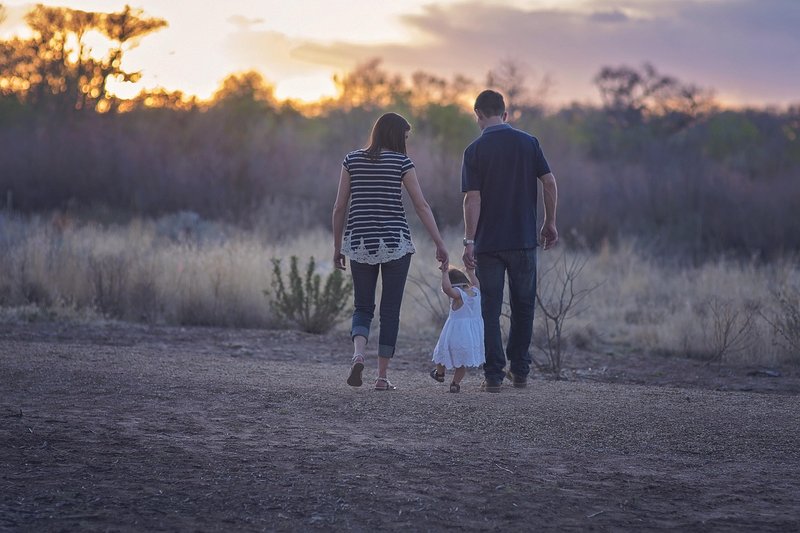
Representative image: JACLOU-DL / Pixabay
At an October 6, 2026 New York talk, Michael Strahan and daughter Isabella discussed her medulloblastoma, her mental health and his role as caregiver.
What Happened
Michael Strahan, the American television host, and his daughter Isabella Strahan spoke about how their family got through her brain cancer at a fireside chat in New York City on October 6, 2026. In interviews published in the days after, including a health feature released on October 10, the father and daughter described her diagnosis, the toll on her mental health, his role as a caregiver, and why they chose to tell their story in public. Isabella was diagnosed with medulloblastoma, a fast-growing brain tumour, in October 2023, and has since returned to university.
Key Facts
- The fireside chat took place in New York City on October 6, 2026, and covered diagnosis, mental health, caregiving and the effect of sharing their story.
- Isabella was diagnosed with medulloblastoma in October 2023, after doctors found a tumour about four centimetres across.
- Her treatment included brain surgery, radiation therapy and chemotherapy.
- She said in July 2024 that her scans were clear and she was cancer-free.
- She has since gone back to the University of Southern California and continues to have regular medical check-ups.
- Michael Strahan first spoke publicly about her illness on television in January 2024.
- Her treatment was also documented in a television special, Life Interrupted: Isabella Strahan's Fight to Beat Cancer.
Why It Matters
A cancer diagnosis in a child or a young adult changes the whole family, not only the patient. Parents become nurses, drivers, schedulers and cheerleaders almost overnight, while trying to keep their own fear out of sight. The Strahans' account is one of the more detailed public descriptions of that shift, told by a parent and a child together. Their focus on hope and mental health, rather than only on medical milestones, reflects what many families say is the hardest part: keeping spirits up through months of treatment.
Isabella was a 19-year-old university student when she went public with her diagnosis. Young adults at that stage are just starting to live on their own, and a serious illness can pull them back into dependence on their parents. That creates a delicate balance. A parent wants to protect, while the young person wants to keep some control over her own life and decisions. Families facing any long illness have to work out that balance together, and talking about it openly, as the Strahans have, can help.
The decision to speak openly also matters. Many families keep a serious illness private, sometimes out of a sense of duty to protect the patient or the family's standing. Isabella chose to document her treatment publicly, and father and daughter now share their experience to raise awareness about brain cancer and to give other families a sense that recovery is possible. Openness is a personal choice, and no family should feel pushed into it, but hearing from others who have been through the same thing can reduce the loneliness that often comes with a diagnosis.
For families in India, where several generations often share one home, the caregiving load is usually spread across parents, grandparents and siblings. The Strahan story is a reminder that every one of those caregivers also needs rest and support, and that the patient's mental health deserves as much attention as the scans.
| Stage | What the family faced |
|---|---|
| October 2023 | Diagnosis of medulloblastoma after a tumour about 4 cm across was found |
| Treatment | Brain surgery, radiation therapy and chemotherapy |
| July 2024 | Isabella said her scans were clear and she was cancer-free |
| October 2026 | Back at university, with regular check-ups; father and daughter share their story |
Impact
Short-term: The interviews have renewed public attention on brain tumours in young people and on the emotional side of treatment for patients and parents.
Long-term: Honest, shared accounts from families help shape how parents talk to children about illness, and encourage hospitals and support groups to treat caregiver well-being as part of care.
Who is affected: Young cancer patients and their parents, siblings and other family caregivers, and families deciding whether to keep a diagnosis private or share it.
Key Takeaway
Michael and Isabella Strahan's account shows that getting through a child's cancer depends on medical treatment, steady family support and attention to mental health, for the patient and the caregivers alike.
Questions and Answers
What type of cancer did Isabella Strahan have?
She had medulloblastoma, a fast-growing brain tumour. It was diagnosed in October 2023, while she was a university student, and she was treated with surgery, radiation therapy and chemotherapy.
Is Isabella Strahan cancer-free now?
She said in July 2024 that her scans were clear and she was cancer-free. As of October 2026 she is back at university and continues to have regular medical check-ups.
What did Michael and Isabella Strahan talk about in October 2026?
At a fireside chat in New York on October 6, 2026, and in interviews afterwards, they discussed her diagnosis, her mental health during treatment, his role as a caregiver, and why they decided to share their story publicly.
What can other families learn from their experience?
That a child's illness is faced best as a team, that the patient's mood and hope need as much care as the medical treatment, and that parents and other caregivers also need support to keep going.
Disclaimer: Prepared by the Peepals newsroom from publicly available sources with AI assistance. Information is accurate to the best of our knowledge at the time of publication and may change. Images may be representative. Not professional advice. Report an error via our contact page.
Sourced and fact-checked by the Peepals Global Editorial Team
Katie Zacharia's first White House briefing lasts 14 minutes amid scrutiny
Terry Bradshaw's memoir on depression shows how his wife helps him through 'Roy' days
Reported, fact-checked and published by the Peepals Global Editorial Team.