South Korea weighs paying new child benefits to all 2027 births after cut-off row
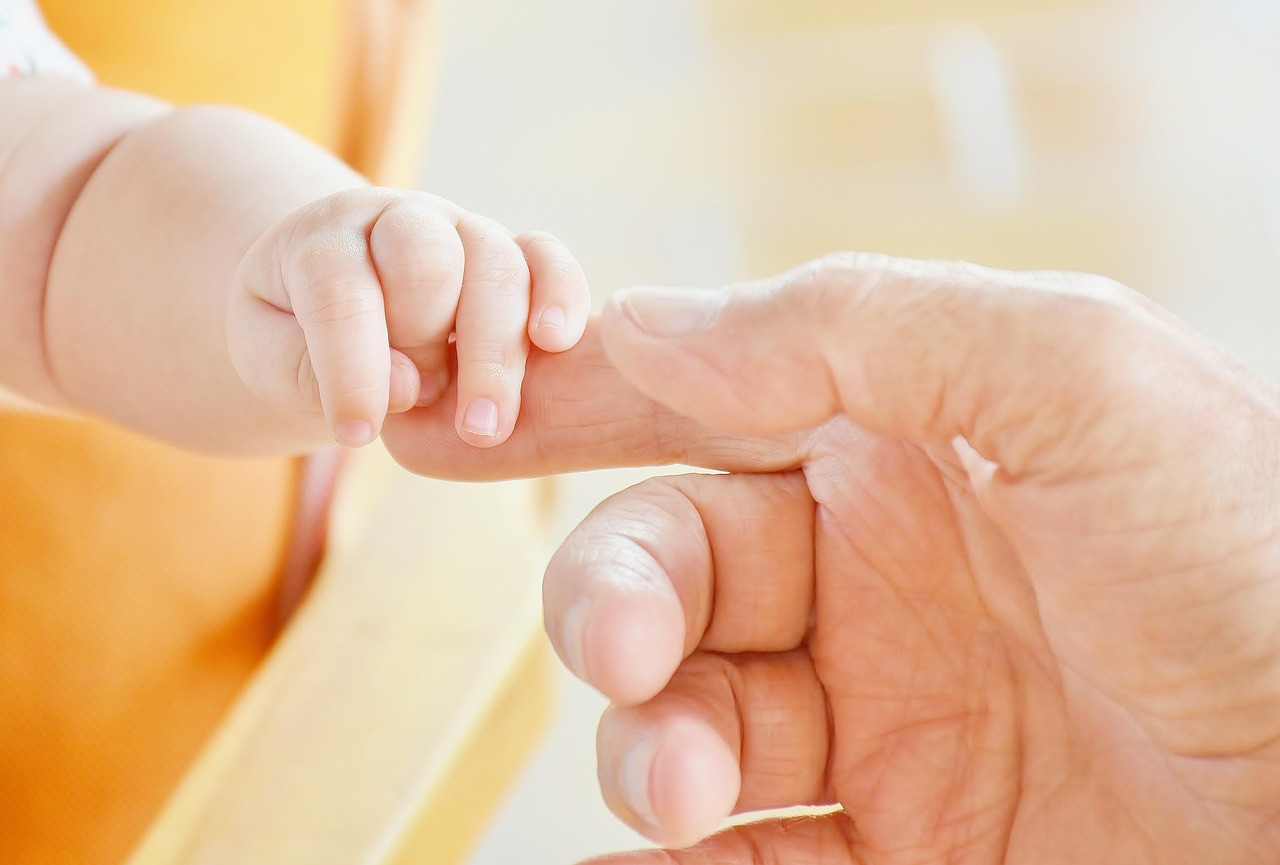
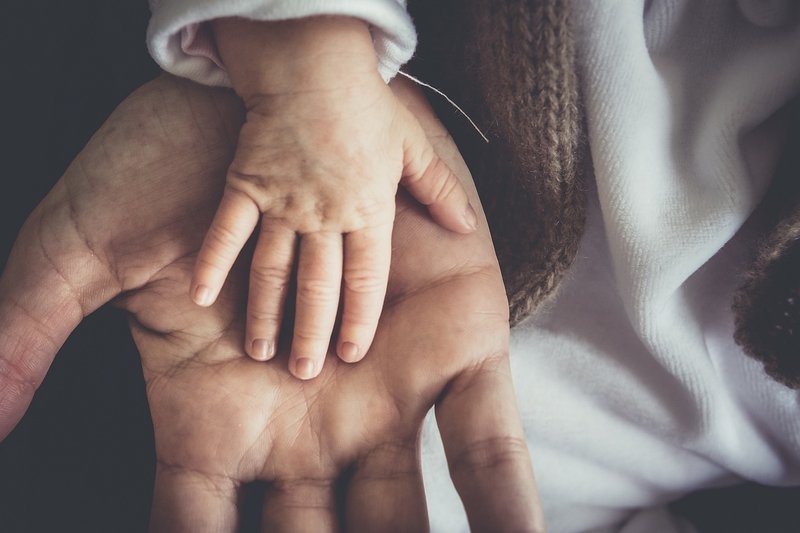
Representative image: RitaE / Pixabay
South Korea is considering backdating new child benefits to all 2027 births after a July cut-off meant up to 34.3 million won less for babies born a day earlier.
What Happened
South Korea's government is considering paying its new, larger child-rearing benefits to every baby born in 2027, not only to those born from July, after parents protested that a single day's difference in a child's birth date could cost a family tens of millions of won. Reports published on Wednesday, 14 October 2026, said President Lee Jae-myung told a Cabinet meeting that children born on 30 June and 1 July should not be treated differently because of a cut-off chosen for administrative convenience. The health minister said the government would look at a clause applying the benefits by year of birth, and the leading option is to keep the July 2027 launch while paying the money retroactively for children born from 1 January 2027.
Key Facts
- South Korea plans to merge three existing payments, the first-meeting voucher, the parental allowance and the child allowance, into two new ones: a newborn grant and a basic child allowance.
- The new system was budgeted to cover children born from July 2027, to leave time for preparations.
- Under that plan, a child born on 30 June 2027 could receive up to 34.3 million won (about $25,550) less than one born a day later.
- A baby born on 1 July 2027 would receive 48.4 million won under the new system, according to one example cited in reports.
- President Lee Jae-myung said at a Cabinet meeting that children born a day apart should not be treated differently because of an administrative cut-off.
- The option under most serious review keeps the July 2027 start but pays benefits retroactively to children born from 1 January 2027.
- No final decision had been announced as of 14 October 2026.
Why It Matters
South Korea has one of the lowest birth rates in the world and has spent heavily for years trying to persuade young couples to have children. The planned overhaul is meant to make support simpler and more generous by folding several separate payments into two. But the way the start date was set created an obvious unfairness. Parents expecting babies in early 2027 found that their children would receive far less than babies born only weeks or days later, purely because of the calendar.
The reaction shows how sensitive family policy has become. For many couples, the decision to have a child is closely tied to money: housing, childcare and education costs are high. A rule that seemed to punish families for the timing of a birth risked undermining the very message the benefits are meant to send. The president's public intervention, and the government's quick move to look at a fix, suggest officials understood that a cut-off seen as unfair could damage trust in the whole programme.
There is also a practical lesson about how support for families is designed. Clean cut-off dates are easy for administrators, but they create winners and losers among families whose circumstances are almost identical. Paying by birth year, while keeping the later launch date for the new system, is one way to keep the administrative timetable without making some newborns worth less than others.
| Item | Detail |
|---|---|
| New benefits | Newborn grant and basic child allowance |
| Replaces | First-meeting voucher, parental allowance, child allowance |
| Planned start | Children born from July 2027 |
| Gap at the cut-off | Up to 34.3 million won between 30 June and 1 July births |
| Option under review | Retroactive payments for all 2027 births |
Impact
Short-term: Couples expecting children in the first half of 2027 are waiting for a decision that could add tens of millions of won to the support they receive. The government must find extra money in its budget if it extends the benefits to all 2027 births.
Long-term: If the change goes through, the overhaul will begin with a clear rule that every child born in the same year is treated the same, which may help the policy's credibility at a time when the country is trying to lift its birth rate.
Who is affected: Expectant parents in South Korea, especially those due between January and June 2027, the health ministry that runs the benefits, and taxpayers who fund them.
Key Takeaway
South Korea is weighing whether to pay its new child benefits to all 2027 births after a one-day cut-off threatened to leave some families up to 34.3 million won worse off.
Questions and Answers
Why are South Korean parents upset about the new child benefits?
The new benefits were set to start with babies born from July 2027, so a child born on 30 June 2027 could get up to 34.3 million won less than one born a day later. Parents saw that as unfair.
What has President Lee Jae-myung said?
He told a Cabinet meeting that children born on 30 June and 1 July should not be treated differently because of a cut-off chosen for administrative convenience.
What change is the South Korean government considering?
The leading option is to keep the July 2027 launch date but pay the new benefits retroactively for all children born from 1 January 2027. No final decision had been announced as of 14 October 2026.
Which payments does the overhaul replace?
It combines the first-meeting voucher, the parental allowance and the child allowance into two new payments: a newborn grant and a basic child allowance.
Disclaimer: Prepared by the Peepals newsroom from publicly available sources with AI assistance. Information is accurate to the best of our knowledge at the time of publication and may change. Images may be representative. Not professional advice. Report an error via our contact page.
Sourced and fact-checked by the Peepals Global Editorial Team
Reliance Foundation, Estée Lauder charity aim to train 1 million girls in India
Real Madrid, adidas and Brazil's FARM Rio launch a floral football capsule
Reported, fact-checked and published by the Peepals Global Editorial Team.