
Nepal cuts child marriage to 28%, but poorest girls 4.4 times likelier to wed early
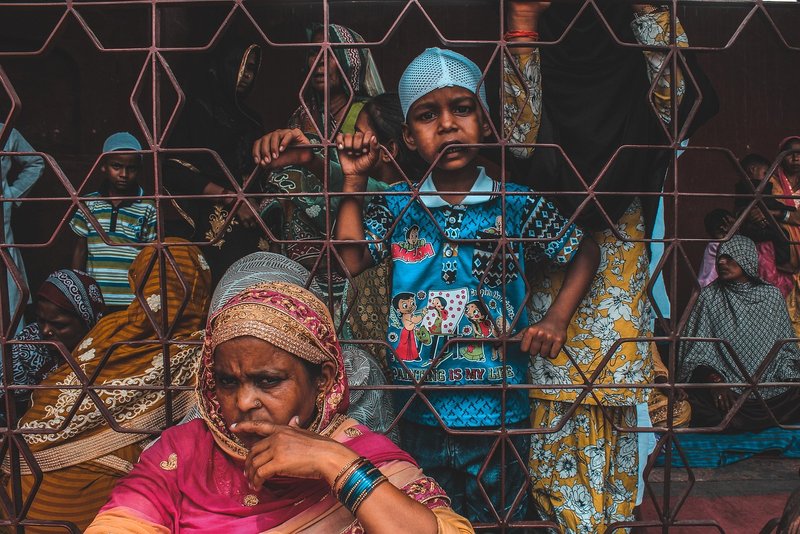
Representative image: Tho-Ge / Pixabay
A UNICEF brief released for the Day of the Girl, Oct 11, 2026, says Nepal's child marriage rate fell from 37% to 28%, but the poorest girls are 4.4 times likelier to marry early.
What Happened
Child marriage in Nepal has fallen sharply over the past decade, but girls from the poorest families have been left behind, according to a UNICEF brief, "Ending Child Marriage in Nepal: A Decade of Data and a Call to Action", released ahead of the International Day of the Girl Child on October 11, 2026. Using Nepal's Multiple Indicator Cluster Surveys, the brief finds that the share of women aged 20 to 24 who were married before 18 dropped from 37% in 2014 to 28% in 2024-25. Girls from the poorest households, however, are now 4.4 times more likely to marry as children than girls from the richest, and the country remains off track to end the practice by its 2030 goal.
Key Facts
- The share of women aged 20 to 24 married before age 18 fell from 37% in 2014 to 28% in 2024-25.
- The figures come from Nepal's Multiple Indicator Cluster Surveys, analysed in a UNICEF brief released around October 11, 2026.
- Girls from the poorest households are 4.4 times more likely than those from the richest households to marry before 18.
- Rates among the poorest households have changed little in recent years, while wealthier families have moved much faster.
- Among women aged 20 to 24 with no schooling, the child marriage rate fell from 66.4% in 2019 to 48.1% in 2024-25.
- Nepal is not on track to meet its commitment to end child marriage by 2030.
Why It Matters
When a daughter marries is, in most homes, a decision taken by the family. Nepal's data show that these family decisions are changing: in roughly ten years, the share of young women who were married as children has fallen by about a quarter. That is a real shift in family norms in India's neighbour.
But the brief also shows who is being left behind. When the poorest girls are more than four times as likely to marry early as the richest, child marriage starts to look less like a matter of tradition alone and more like a symptom of poverty.
Education is the clearest bright spot in the numbers. Even among women with no schooling, the rate has dropped steeply since 2019, from about two in three to under half. Keeping girls in school, and making it affordable for poor families to do so, is the lever the data point to most directly.
The pattern in the data is that progress arrived first in better-off homes. The brief's warning that the poorest have barely moved suggests awareness alone is not enough to reach them.
| Indicator | Earlier | Latest |
|---|---|---|
| Women 20-24 married before 18 | 37% (2014) | 28% (2024-25) |
| Same, women with no schooling | 66.4% (2019) | 48.1% (2024-25) |
| Poorest vs richest girls | | 4.4 times more likely to marry before 18 |
Impact
Short-term: The brief gives Nepal's government and aid agencies a clear target group: girls in the poorest households, where progress has stalled.
Long-term: Unless the pace picks up among poor families, Nepal will miss its 2030 goal, and a large share of girls will continue to marry before finishing school.
Who is affected: Adolescent girls in Nepal, especially in poor and less-educated families, their parents, and the schools, local governments and agencies working to end child marriage.
Key Takeaway
Nepal cut child marriage among young women from 37% to 28% in a decade, but girls in the poorest homes remain 4.4 times more likely to marry before 18.
Questions and Answers
How much has child marriage fallen in Nepal?
The share of women aged 20 to 24 who married before 18 fell from 37% in 2014 to 28% in 2024-25, according to a UNICEF brief based on national survey data.
Who is most at risk of child marriage in Nepal now?
Girls from the poorest households, who are 4.4 times more likely to marry before 18 than girls from the richest households. Rates among the poorest have barely changed in recent years.
Does schooling make a difference?
Yes. Among women aged 20 to 24 with no schooling, the child marriage rate fell from 66.4% in 2019 to 48.1% in 2024-25, but it remains far higher than the national average.
Will Nepal end child marriage by 2030?
The brief says Nepal is off track to meet its commitment to eliminate child marriage by 2030.
Disclaimer: Prepared by the Peepals newsroom from publicly available sources with AI assistance. Information is accurate to the best of our knowledge at the time of publication and may change. Images may be representative. Not professional advice. Report an error via our contact page.
Sourced and fact-checked by the Peepals Global Editorial Team
Reported, fact-checked and published by the Peepals Global Editorial Team.