
El Niño puts 347 million children at risk, UNICEF warns; 190 million in Asia
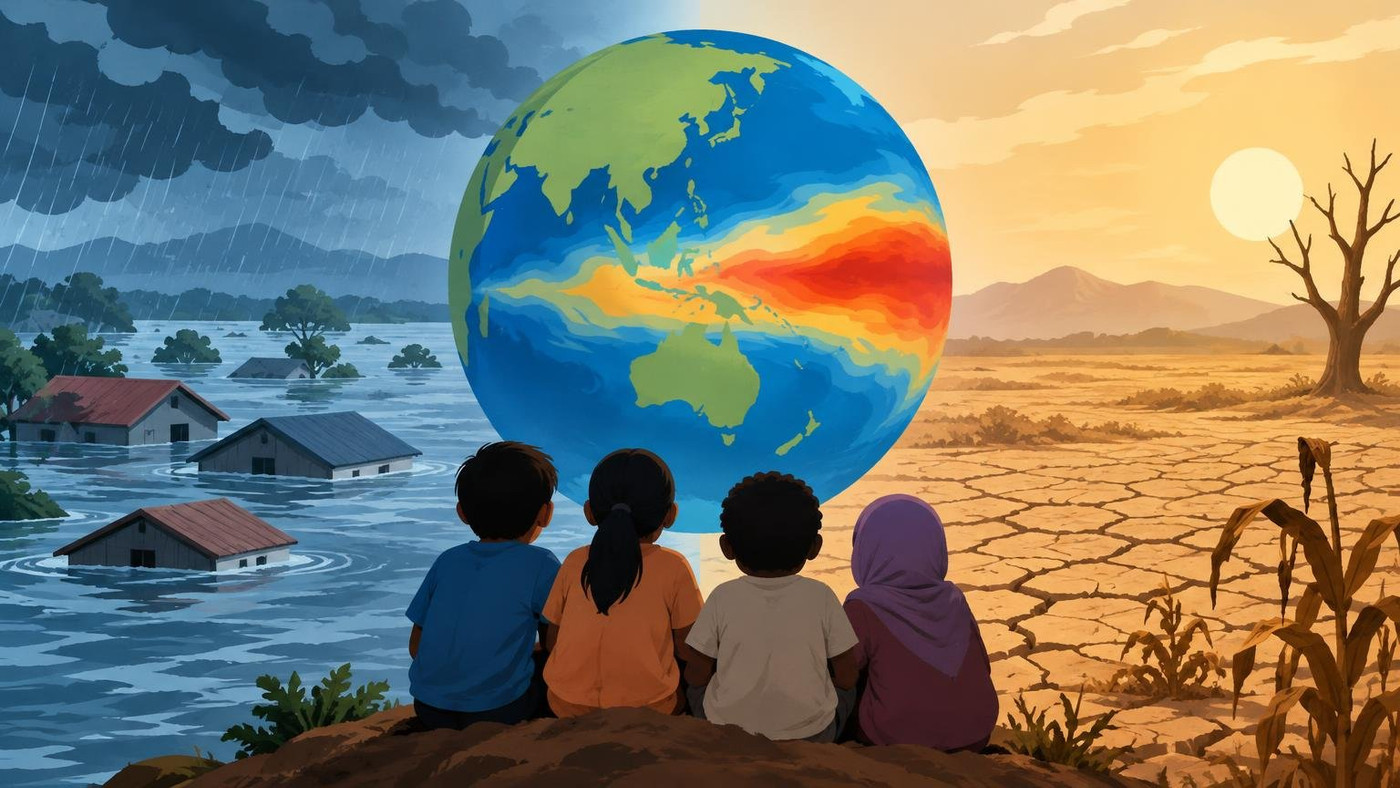
AI-generated illustration
Advertisement
UNICEF said on October 6, 2026, that over 347 million children in nearly 100 countries face El Niño floods or droughts until December, 190 million in Asia-Pacific.
What Happened
More than 347 million children in nearly 100 countries are expected to face unusually wet or dry conditions between October and December 2026 because of one of the strongest El Niño events on record, the UN children's agency UNICEF said in a release on October 6, 2026. Asia and the Pacific account for the largest share, about 190 million children, a figure UNICEF's regional offices highlighted again in releases reported on October 9. The agency warned that floods and droughts linked to El Niño could close schools, harm children's health and safety, and push families into extra financial hardship, and it urged governments to prepare now.
Key Facts
- UNICEF's release of October 6, 2026, says more than 347 million children in nearly 100 countries face unusually wet or dry conditions from October to December 2026.
- Asia and the Pacific has the largest number, about 190 million children.
- East and Southern Africa and Latin America and the Caribbean have about 41 million each; Europe and Central Asia about 22 million; the Middle East and North Africa and West and Central Africa about 20 million each.
- UNICEF warned of school closures, risks to health and safety, and added financial strain on families.
- According to UNICEF, climate events disrupted learning for an estimated 171 million students worldwide in 2025.
- The agency called on governments to act early to protect children and essential services.
Why It Matters
El Niño is a periodic warming of the Pacific Ocean that shifts rainfall patterns around the world. For families, the science matters less than what follows: a failed harvest, a flooded home, a school turned into a relief camp, or a long walk to find clean water. Children feel these shocks first. When incomes fall, households may cut back on food or medical care, older children may be pulled out of school to work or look after siblings, and girls in particular risk losing years of education.
UNICEF's warning is a reminder that family resilience starts before the disaster. Simple steps at home can make a real difference: keeping important documents such as birth certificates and school records safe and dry, knowing where the nearest shelter or relief point is, storing clean drinking water and basic medicines, and making a plan for how children will keep learning if their school closes.
For families in India and the wider Asia-Pacific region, which holds the largest share of affected children in UNICEF's estimate, the message is to watch weather advisories closely in the coming months. Communities and schools can also plan ahead, for example by preparing to run classes in alternative spaces and by making sure that mid-day meals and health check-ups continue during an emergency.
The bigger point is that disasters do not only damage buildings; they can break a child's routine, learning and sense of safety. Families that talk calmly with children about what might happen, and keep daily routines as normal as possible, help them cope.
| Region (UNICEF estimate) | Children exposed, Oct to Dec 2026 |
|---|---|
| Asia and the Pacific | About 190 million |
| East and Southern Africa | About 41 million |
| Latin America and the Caribbean | About 41 million |
| Europe and Central Asia | About 22 million |
| Middle East and North Africa | About 20 million |
Impact
Short-term: Over the next three months, children in affected regions face higher risks of disrupted schooling, illness and food shortages as floods and droughts hit.
Long-term: Missed school and lost family income during climate shocks can have lasting effects on children's learning, nutrition and future earnings unless governments and communities prepare.
Who is affected: Children and parents in nearly 100 countries, especially in Asia and the Pacific, along with schools, health workers and local governments responsible for disaster response.
Key Takeaway
UNICEF says more than 347 million children, about 190 million of them in Asia and the Pacific, face El Niño-linked floods or droughts from October to December 2026, and urges families and governments to prepare.
Questions and Answers
How many children does UNICEF say are at risk from El Niño in late 2026?
More than 347 million children in nearly 100 countries face unusually wet or dry conditions between October and December 2026, according to UNICEF's October 6 release.
Which region is most affected?
Asia and the Pacific, with about 190 million children exposed, the largest share of any region.
What risks does UNICEF highlight for children?
School closures, threats to health and safety, and added financial hardship for families as floods and droughts strike.
What can families do to prepare?
Keep key documents safe and dry, store clean water and basic medicines, know the nearest shelter, follow weather advisories, and plan how children can keep learning if schools close.
Sourced and fact-checked by the Peepals Global Editorial Team
WHO urges shift from psychiatric hospitals to community mental health care
Nykaa's fashion arm outpaces beauty with growth in late forties, Q2 update shows
Reported, fact-checked and published by the Peepals Global Editorial Team.
Advertisement