
WHO's first child obesity guidelines: no weight-loss drugs under 10, families first

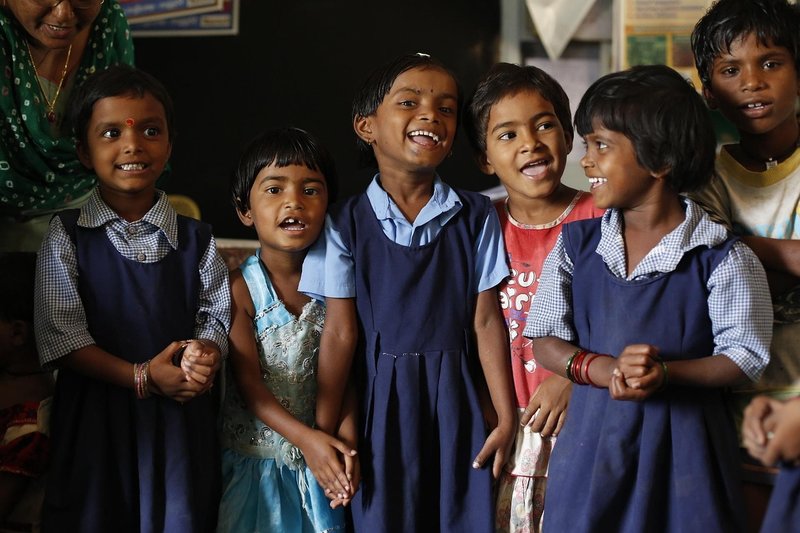
Representative image: u_c48rf6ybx8 / Pixabay
WHO's first global child obesity guidelines, issued 7 October 2026, rule out weight-loss drugs and surgery for under-10s and put family-based changes first.
What Happened
The World Health Organization (WHO) on Wednesday, 7 October 2026, issued its first global guidelines on obesity in children and adolescents, placing family-based changes in eating, physical activity and daily habits at the centre of treatment. For children up to nine years old, the WHO does not recommend weight-loss medicines, bariatric surgery or weight-loss devices. For adolescents aged 10 to 19, it says approved medicines may be considered only when a supervised lifestyle programme has not worked, and surgery only under strict conditions for severe obesity. The guidance is aimed at health systems and governments around the world.
Key Facts
- The WHO released its first global guidelines on child and adolescent obesity on 7 October 2026.
- For children aged 0 to 9, it does not recommend drug treatment, bariatric surgery or weight-loss devices.
- For adolescents aged 10 to 19, approved medicines may be considered only after a supervised, multi-part lifestyle programme fails to achieve the desired results.
- Bariatric surgery may be considered for adolescents with severe obesity, but only under strict conditions.
- Structured support for healthy eating, physical activity and behaviour change is the recommended foundation of care.
- Digital health tools may be used, with supervision by a parent or caregiver.
- The WHO's Dr Luz María De Regil said: "The foundation of obesity care for children and adolescents is not medicine or surgery, but access to comprehensive support that enables healthy eating, physical activity and sustainable behaviour change."
Why It Matters
Childhood obesity is a concern for families in many countries, India among them. Weight-loss medicines have also been much in the news, and some parents may wonder whether a quick medical fix exists. The WHO's message is clear: for young children, it does not.
The guidelines put the family at the heart of treatment. Children eat what is bought and cooked at home, sleep and play on the family's schedule, and copy the habits of the adults around them. Programmes that work with the whole family, rather than singling out the child, can change routines without making the child feel blamed. That matters, because shame about weight can harm a child's mental health and relationship with food.
For adolescents, the guidance leaves room for medicine and, rarely, surgery, but only after a proper, supervised lifestyle programme has been tried. That keeps young people from being moved straight to medical treatment, while keeping options open for those with severe obesity who do not respond to other help.
| Age group | WHO guidance |
|---|---|
| 0 to 9 years | No medicines, surgery or weight-loss devices; focus on family-based lifestyle support |
| 10 to 19 years | Medicines only after a supervised lifestyle programme fails |
| 10 to 19 years, severe obesity | Surgery only under strict conditions |
| All ages | Digital tools may help, with parent or caregiver supervision |
Impact
Short-term: Doctors, paediatric clinics and health ministries can use the guidelines to shape advice and services. Parents get a clear international reference against using weight-loss drugs in young children.
Long-term: Countries may build more family-centred obesity programmes in schools and clinics, and policies on food environments, play spaces and screen time may gain support as part of prevention.
Who is affected: Children and teenagers living with obesity, their parents and caregivers, paediatricians and dietitians, schools, and governments designing child-health programmes.
Key Takeaway
The WHO's first global child obesity guidelines say young children should not get weight-loss drugs or surgery, and that family-based changes in food, activity and habits must come first.
Questions and Answers
Does the WHO allow weight-loss drugs for children?
Not for children aged 0 to 9. For adolescents aged 10 to 19, approved medicines may be considered only when a supervised lifestyle programme has not achieved the desired results.
What does the WHO recommend instead?
Comprehensive, structured support for healthy eating, physical activity and lasting behaviour change, with the family closely involved.
Is surgery ever recommended for teenagers?
Only under strict conditions for adolescents with severe obesity, according to the guidelines released on 7 October 2026.
What can parents do at home?
Make changes as a family rather than targeting the child: cook and eat meals together, keep sugary drinks and packaged snacks limited, make time for active play, and supervise any apps or digital tools used for health.
Disclaimer: Prepared by the Peepals newsroom from publicly available sources with AI assistance. Information is accurate to the best of our knowledge at the time of publication and may change. Images may be representative. Not professional advice. Report an error via our contact page.
Sourced and fact-checked by the Peepals Global Editorial Team
Reported, fact-checked and published by the Peepals Global Editorial Team.