
Educated wife still entitled to maintenance, Rajasthan High Court rules
 By Priya NairStaff Writer, Peepals Shakti

Representative image: succo / Pixabay
Rajasthan High Court says a wife's education or capacity to earn does not end her maintenance right; a Rs 15,000 monthly order is upheld for her.for her.
Wife Maintenance: what happened
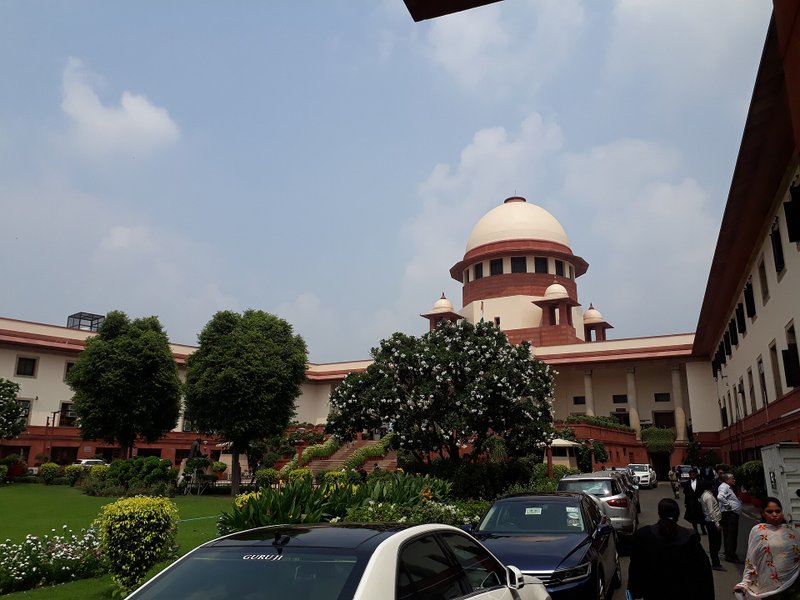
The Rajasthan High Court has held that a wife's education and her capacity to earn do not, on their own, defeat her right to maintenance from her husband. In a ruling reported on 27 November 2026, Justice Farjand Ali dismissed revision petitions filed by both the husband and the wife against a Family Court order that had directed the husband to pay Rs 15,000 a month to his wife. The husband had argued that his wife's qualifications made her ineligible for support; the court rejected that argument, and it also turned down the wife's plea for a higher amount.
Wife Maintenance: key facts
- Court and judge: Rajasthan High Court, Justice Farjand Ali.
- The Family Court had ordered the husband to pay the wife Rs 15,000 a month as maintenance.
- Both spouses challenged that order: the husband to cancel it, the wife to raise it. The High Court dismissed both petitions, leaving Rs 15,000 a month in place.
- The husband argued that the wife had left the matrimonial home of her own will and that her education made her ineligible.
- The court treated academic qualifications and actual financial independence as two different things: a degree does not prove that a woman can support herself.
- It found that the husband had not shown that the wife had an established, independent source of income.
Wife Maintenance: why it matters
Maintenance is the regular money a husband must pay to support a wife who cannot maintain herself, during or after a marriage dispute. One of the most common arguments raised by husbands in these cases is that the wife is educated, or once had a job, and so should be expected to earn. The Rajasthan ruling draws a clear line: what counts is whether the woman actually has an income that meets her needs, not whether she holds a degree or could, in theory, find work.
This matters for many women who leave work after marriage, move cities for a husband's job, or take years out to raise children. Their certificates may still be on paper, but their real chances of finding a job at the same level may be limited. A rule that treated a degree as proof of self-sufficiency would leave such women without support at the point they most need it.
The ruling is part of a run of decisions on the same question from different courts. Earlier this week, on 25 November, the Supreme Court held that a husband cannot demand the return of property given to a wife for her maintenance as a condition for paying interim maintenance, and raised her interim amount from Rs 4,000 to Rs 15,000 a month. Taken together, the rulings show courts looking at a wife's real financial position rather than at assumptions about what she could earn.
At the same time, the High Court did not simply side with the wife. By refusing to increase the amount, it kept the Family Court's figure, showing that courts weigh both sides' circumstances when fixing maintenance.
Peepals calculation: At Rs 15,000 a month, the maintenance upheld by the High Court comes to Rs 1.8 lakh a year (15,000 × 12 = 1,80,000). The Supreme Court's increase in the separate 25 November case, from Rs 4,000 to Rs 15,000 a month, was a rise of 275% (11,000 ÷ 4,000 = 2.75). Our calculation from the reported figures.
| Case | Court | Monthly maintenance outcome |
|---|---|---|
| Rajasthan maintenance revision | Rajasthan High Court | Rs 15,000 upheld; both petitions dismissed |
| Interim maintenance with property | Supreme Court (25 November) | Raised from Rs 4,000 to Rs 15,000 |
Wife Maintenance: impact
Short-term: The husband in this case must continue paying Rs 15,000 a month as ordered by the Family Court. Lawyers in Rajasthan's family courts can cite the ruling when husbands argue that an educated wife should support herself.
Long-term: The ruling adds to case law that separates a woman's qualifications from her real income. Over time, this can make it harder to deny support to women who stepped back from careers after marriage.
Who is affected: Women seeking maintenance in Rajasthan and elsewhere, especially those with degrees but no steady income; husbands contesting maintenance claims; and family court judges and lawyers who apply these principles.
Wife Maintenance: key takeaway
A woman seeking maintenance should be ready to show her actual income and needs, since courts are judging real financial independence, not degrees.
Wife Maintenance: questions and answers
Can an educated wife get maintenance from her husband?
Yes. The Rajasthan High Court held that education and the capacity to earn do not by themselves defeat a wife's maintenance claim; what matters is whether she has an established independent income.
How much maintenance was upheld in the Rajasthan case?
The court left in place the Family Court's order of Rs 15,000 a month, after dismissing both the husband's challenge and the wife's plea for more.
Can a court still lower maintenance if a wife can work?
Courts may consider a woman's real earning position when fixing the amount; in this case the High Court kept the existing figure rather than raising or reducing it.
Disclaimer: Prepared by the Peepals newsroom from publicly available sources with AI assistance. Information is accurate to the best of our knowledge at the time of publication and may change. Images may be representative. Not professional advice. Report an error via our contact page.
By Priya Nair, Staff WriterCovers Leadership & Growth and more for Peepals Shakti. All stories by Priya Nair
Fashion Awards 2026: Sarah Burton, Olsen sisters lead women in contention
Chen Ting-fei wins Tainan, set to become city's first woman mayor
Your week ahead, every Sunday. Free.
Exam and result dates, IPOs opening, scheme deadlines, government holidays and the RBI decision for the next 7 days, plus the week's top stories. One email a week, unsubscribe in one click.
Priya Nair is a pen name of the Peepals Global Editorial Team, which researches, fact-checks and publishes every story. The portrait is an illustration.
Responsible for this story: the Peepals Global Editorial Team. How we report