
Australia home birth insurance rule: rallies at 26 sites as exemption ends
 By Simran KaurStaff Writer, Peepals Shakti
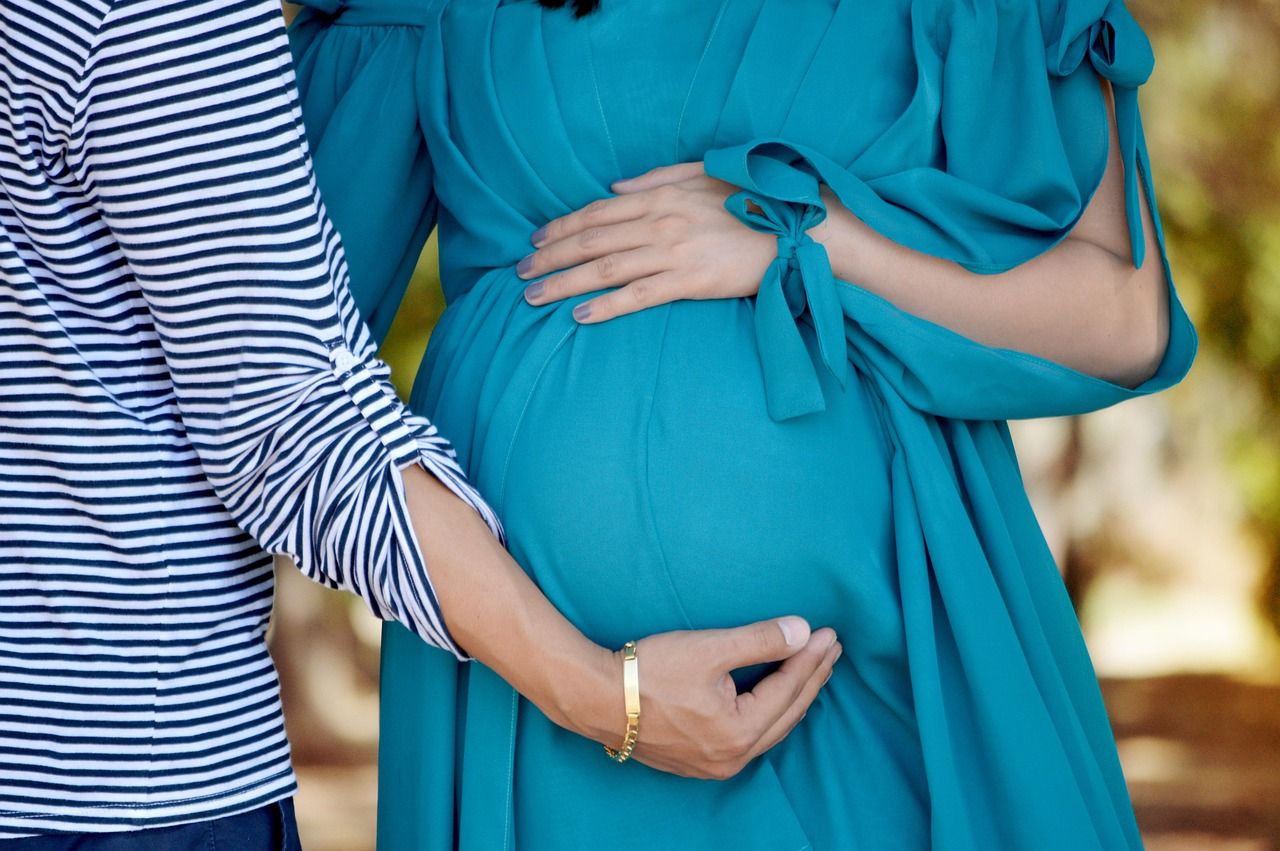
Representative image: dianaforsberg92 / Pixabay
Families rallied at 26 places in Australia on 21 November 2026 as an exemption letting uninsured midwives attend home births ends on 31 December.
Australia home birth: what happened
Families and midwives rallied at 26 locations across Australia on Saturday, 21 November 2026, against a change in insurance rules that they say will make it much harder to give birth at home with a midwife. The rallies, organised by the advocacy group Homebirth Australia, target the end of an exemption that has allowed privately practising midwives to attend home births without professional indemnity insurance, the cover that pays claims for error or negligence. The exemption ends on 31 December 2026, and a national demonstration is planned outside Parliament House in Canberra on Tuesday, 24 November.
Australia home birth: key facts
- Rule change: the exemption under Section 284 of Australia's National Law ends on 31 December 2026 and will not be extended, the Nursing and Midwifery Board of Australia says.
- From 1 January 2027, all privately practising midwives must hold insurance for every part of their practice, including care during labour and birth at home.
- Only one insurer, MIGA, offers this cover, and only to "endorsed" midwives, who need extra study and 5,000 hours of clinical practice in the previous six years.
- About 5% of Australia's 35,000 registered midwives are endorsed.
- The Australian College of Midwives has warned that up to a third of the country's 500 private-practice midwives could leave the profession by January.
- Homebirth Australia warns that more families may "freebirth", giving birth at home with no midwife or doctor present.
- Federal Health Minister Mark Butler has called insurance a "no-brainer" for all health practitioners, and the Board says the change is about protecting the public, not limiting home births.
Australia home birth: why it matters
Some families choose to give birth at home with a private midwife rather than in hospital. The rule change does not ban home birth. It changes who can legally attend one, by requiring insurance that only a small share of midwives can get.
Both sides make a safety argument. The government and the Board say every health practitioner should carry insurance, so that a family harmed by an error can be compensated. Midwives and parents' groups say that if too few midwives qualify, some families will not stop having home births but will have them with no professional present, which they argue is the riskier outcome. A mother from the regional city of Wagga Wagga said there were not enough endorsed midwives to meet demand in her area, a gap campaigners say is widest outside the cities.
For families everywhere, including Indian families who have settled in Australia, the debate is about the balance between choice in childbirth and the rules that protect patients. It also shows how a technical insurance rule can change what options parents actually have.
Peepals calculation: About 5% of 35,000 registered midwives being endorsed means roughly 1,750 midwives are eligible for the insurance (35,000 × 0.05 = 1,750). If up to a third of the 500 private-practice midwives leave, that is up to about 167 midwives (500 ÷ 3 ≈ 167). The endorsement requirement of 5,000 clinical hours over six years averages about 833 hours a year, or about 16 hours a week (5,000 ÷ 6 ≈ 833; 833 ÷ 52 ≈ 16). Our calculation from the reported figures.
| Item | Figure |
|---|---|
| Registered midwives in Australia | about 35,000 |
| Share endorsed (eligible for cover) | about 5% |
| Private-practice midwives | about 500 |
| Could leave by January (College's warning) | up to a third |
| Exemption ends | 31 December 2026 |
Australia home birth: impact
Short-term: Families planning a home birth in early 2027 will need to check whether their midwife is endorsed and insured. Some private midwives may stop taking bookings for home births after December.
Long-term: If many midwives leave private practice, home birth with a professional present could become hard to find, especially in regional areas. If more midwives become endorsed and insured, the system the government wants, with every birth attendant covered, could take hold.
Who is affected: Expectant parents who want home births, private-practice midwives, the insurer MIGA, maternity hospitals that may see more births, and regional communities with few endorsed midwives.
What to watch next: the national demonstration at Parliament House in Canberra on 24 November, and whether any change is made before the exemption ends on 31 December 2026.
Australia home birth: key takeaway
Parents in Australia planning a home birth from January 2027 should confirm now that their midwife is endorsed and insured, because uninsured private midwives will no longer be allowed to attend.
Australia home birth: questions and answers
What is changing for home births in Australia?
From 1 January 2027, privately practising midwives must hold professional indemnity insurance for home births. The exemption that let them attend without it ends on 31 December 2026.
Why are families protesting the home birth insurance rule?
Only endorsed midwives, about 5% of all midwives, can get the cover, so campaigners fear many families will lose access to a midwife at home and some will give birth with no professional present.
What does the government say?
Health Minister Mark Butler has called insurance a "no-brainer" for all health practitioners, and the Nursing and Midwifery Board says the change protects the public rather than limiting home births.
What is freebirth?
Giving birth at home without a midwife or doctor present, which Homebirth Australia warns more families may turn to.
Disclaimer: Prepared by the Peepals newsroom from publicly available sources with AI assistance. Information is accurate to the best of our knowledge at the time of publication and may change. Images may be representative. Not professional advice. Report an error via our contact page.
By Simran Kaur, Staff WriterCovers Fashion and more for Peepals Shakti. All stories by Simran Kaur
Postpartum mental health care: a third of mothers in need miss out
Ashley Kechter named Athleta CEO: ex-Vuori president to lead brand turnaround
Your week ahead, every Sunday. Free.
Exam and result dates, IPOs opening, scheme deadlines, government holidays and the RBI decision for the next 7 days, plus the week's top stories. One email a week, unsubscribe in one click.
Simran Kaur is a pen name of the Peepals Global Editorial Team, which researches, fact-checks and publishes every story. The portrait is an illustration.
Responsible for this story: the Peepals Global Editorial Team, led by editor Prashant Sonar. How we report