
Not all screen time is bad for young children, University of Georgia review finds
 By Simran KaurFashion Writer, Peepals Shakti
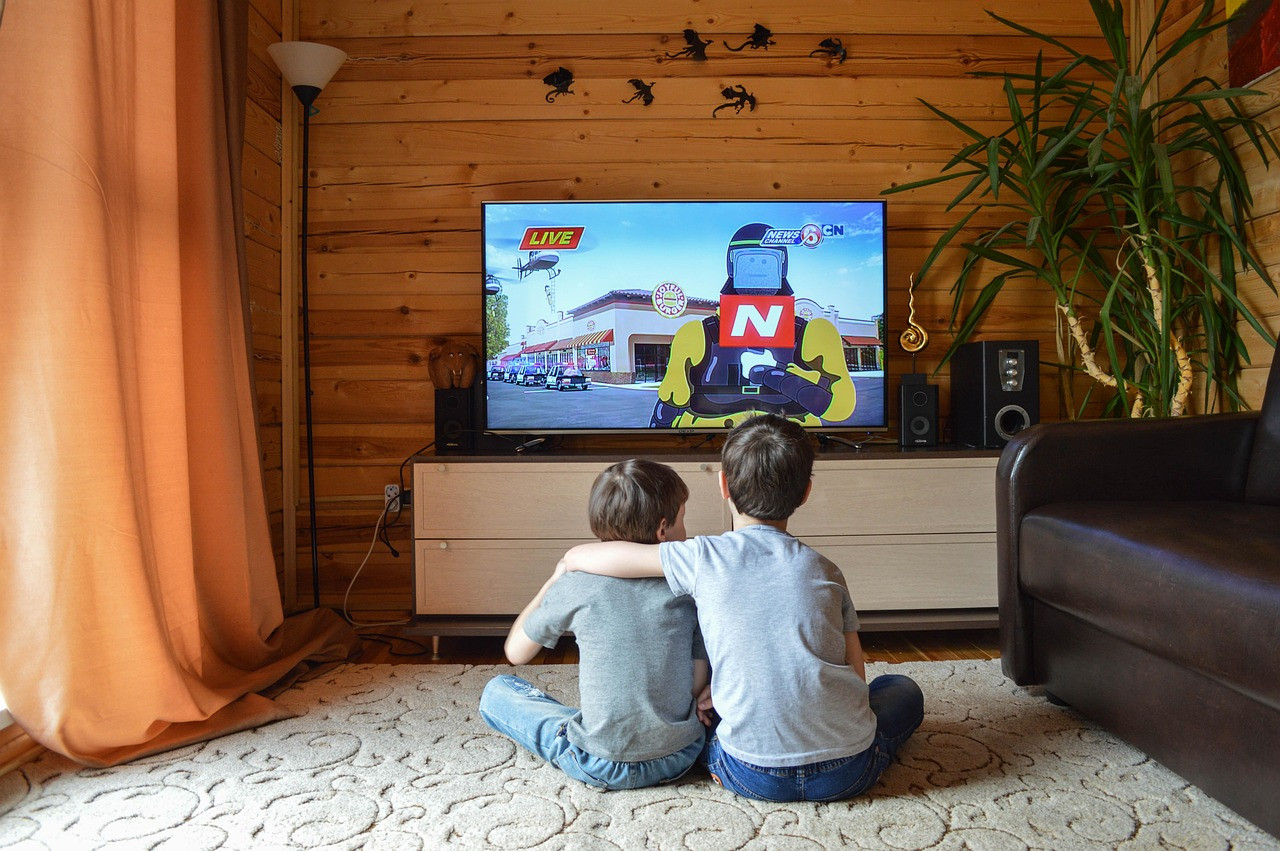
Representative image: Sunriseforever / Pixabay
A University of Georgia review of 30 studies finds prosocial shows help young children, violent content harms, and watching together with parents is a promising strategy.
What Happened
Not all screen time affects young children in the same way: what they watch, how old they are and whether a parent watches with them matter as much as how long the screen is on, according to a systematic review led by Minal Manisha of the University of Georgia, published in the Journal of Evidence-Based Social Work and publicised by the university in late October 2026. The review screened 30 quantitative studies of children aged up to eight in low-income families in the United States. It linked prosocial programmes, which model kindness, cooperation and empathy, to better social skills, and violent content to more aggressive behaviour. Educational programmes were associated with literacy and social benefits, while heavier screen use among infants and toddlers was linked to poorer language development. The authors highlight co-viewing, parents watching and talking about programmes with their children, as a simple, promising strategy.
Key Facts
- Study: a systematic review in the Journal of Evidence-Based Social Work, led by Minal Manisha of the University of Georgia.
- Scope: 30 quantitative studies of children aged 0 to 8 in low-income US families.
- Methods in the pool: nine studies collected new data, including three randomised controlled trials; 21 analysed existing data.
- Prosocial content: linked to children learning values such as kindness, cooperation and empathy.
- Violent content: linked to behaviour problems, including physical aggression.
- Infants and toddlers: heavier use was associated with poorer language development.
- Key strategy: co-viewing, which can be as simple as watching together, answering questions and talking afterwards about what the child saw.
- Caution: the author warns against one-size-fits-all rules, since families have different schedules, resources and needs.
Why It Matters
Most advice on children and screens focuses on a single number: how many hours. That is easy to measure and easy to follow, but it says nothing about what is on the screen. This review brings together evidence from families with limited means, the households that often have the least time and money for alternatives, and finds that content and context change the picture.
For parents, the message is practical. A gentle programme about sharing and friendship is not the same as a violent cartoon, even if both last 20 minutes. Age matters too: the review links heavier screen use at that age with poorer language development. For older preschoolers, well-made educational shows were associated with literacy gains.
The most useful finding may be about parents themselves. Co-viewing does not require special training or money. Sitting with a child for part of a programme, answering their questions and talking afterwards about what happened can help turn watching into learning. In homes where grandparents, older siblings and working parents share childcare, whoever is with the child can do it.
| What the review found | Linked outcome |
|---|---|
| Prosocial content | Kindness, cooperation, empathy, social skills |
| Violent content | Behaviour problems, physical aggression |
| Educational programmes | Literacy and social benefits |
| Heavy use in infants and toddlers | Poorer language development |
| Co-viewing with a parent | Promising strategy to improve outcomes |
The review's caution against rigid rules is also important. Manisha argued that families differ in their schedules, resources and needs. A working single parent and a joint family with several adults at home will manage screens differently, and advice that ignores this is unlikely to be followed.
Impact
Short-term: The review gives parents, teachers and health workers evidence-based talking points: choose content carefully, limit screens for the youngest children and watch together when possible.
Long-term: Its focus on low-income families could shape public guidance and support programmes, shifting the message from simple time limits to content, age and parental involvement.
Who is affected: Parents and caregivers of children up to age eight, early childhood educators, paediatricians and social workers, and makers of children's television and video content.
Key Takeaway
A University of Georgia review of 30 studies finds that for young children, what they watch and whether a parent watches with them matters as much as screen time itself: prosocial and educational shows help, violent content harms, and heavy use in infancy is linked to weaker language.
Questions and Answers
Is all screen time bad for young children?
Not according to this University of Georgia review. It found that prosocial and educational content was linked to benefits, while violent content and heavy use in infancy were linked to harms.
What is co-viewing?
Co-viewing means a parent or caregiver watches programmes with the child and talks about them, for example by answering questions or discussing what happened afterwards. The review highlights it as a promising strategy.
How much screen time is too much for toddlers?
The review did not set a single limit. It linked heavier use among infants and toddlers with poorer language development and cautioned against one-size-fits-all rules.
Who was studied?
The review covered 30 quantitative studies of children aged 0 to 8 in low-income families in the United States.
Disclaimer: Prepared by the Peepals newsroom from publicly available sources with AI assistance. Information is accurate to the best of our knowledge at the time of publication and may change. Images may be representative. Not professional advice. Report an error via our contact page.
By Simran Kaur, Fashion WriterCovers Fashion and more for Peepals Shakti. All stories by Simran Kaur
Get the day's stories in your inbox
Peepals Weekly: the week decoded, free. One email a week, unsubscribe in one click.
Simran Kaur is a pen name of the Peepals Global Editorial Team, which researches, fact-checks and publishes every story. The portrait is an illustration.