
Mother-in-law can't be evicted over husband's absence in DV case: SC
 By Priya NairLeadership & Growth Editor, Peepals Shakti

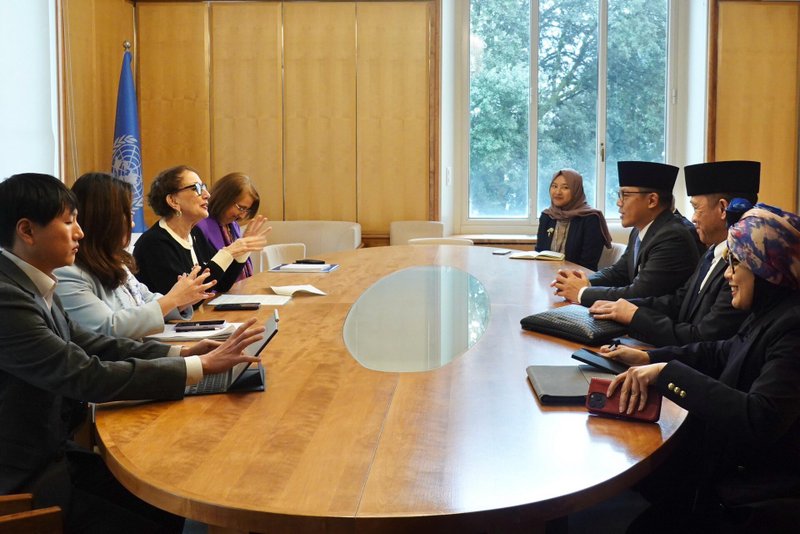
Representative image: qimono / Pixabay
The Supreme Court ruled a husband's non-appearance in a domestic violence case cannot be used to evict his mother and sisters from the shared home.
What Happened
The Supreme Court of India has ruled that a mother-in-law and sisters-in-law cannot be thrown out of the family home simply because the husband failed to appear in a domestic violence case filed by his wife. A bench of Justices Aravind Kumar and Vipul M Pancholi set aside an order of the Uttarakhand High Court that had led to the house being attached, locked by police and the women removed from it, and directed that the attachment be lifted at once. The order, dated October 16, 2026, was reported at the end of October. The court held that attaching a property in such a case can at most make it "custodia legis", meaning it is held under the court's protection so that it cannot be sold or mortgaged, and does not allow the people living there to be locked out.
Key Facts
- The Supreme Court set aside an Uttarakhand High Court order in a domestic violence matter and directed that the attachment of the house be lifted immediately.
- The bench was made up of Justices Aravind Kumar and Vipul M Pancholi; the order is dated October 16, 2026.
- The house had been attached and locked by police, and the husband's mother and sisters were removed, after the husband did not appear in the case.
- The court held that the husband's non-appearance could not be a reason to oust his female relatives from where they live.
- It relied on the proviso to Section 19(1)(b) of the Protection of Women from Domestic Violence Act, 2005, which bars an order removing a woman from a shared household.
- According to reports, the wife's claims for protection and maintenance remain pending before the magistrate, who has been asked to decide them quickly.
Why It Matters
The Domestic Violence Act was written to protect women from abuse at home, including the right to stay in the "shared household" and not be thrown out. Courts can pass residence orders, for example directing a husband to leave or stop interfering with a wife's stay. But the law also says that no such removal order can be passed against a woman. This ruling applies that protection evenly: the same law that protects a wife from being made homeless also protects other women in the family, such as a mother-in-law or a sister-in-law, from being evicted as a penalty for something they did not do.
The case also clarifies what "attachment" of property means. Courts sometimes attach a property to make sure a person who is avoiding the case cannot sell it or borrow against it. According to the reports, the Supreme Court said this only puts the property under the court's protection. It does not give the police the power to lock up the house and push out the people living there. The court called the police action in this case erroneous and impermissible.
For families going through a marriage dispute, the ruling separates two things that often get mixed up: the case against the husband, and the rights of other relatives who live in the same home. A wife's claims for protection and maintenance still go ahead. Pressure on a husband who is not cooperating has to come through lawful steps against him, not by making his mother and sisters homeless.
| Point | What the court said |
|---|---|
| Who was protected | The husband's mother and sisters living in the house |
| What was set aside | Uttarakhand High Court order leading to attachment and lock-out |
| Legal basis | Proviso to Section 19(1)(b), Domestic Violence Act, 2005 |
| Meaning of attachment | Property is held under court protection, not emptied of occupants |
| Wife's case | Protection and maintenance claims continue before the magistrate |
Impact
Short-term: The women in this case can return to the house, and the magistrate is expected to take up the wife's pending claims quickly. Lawyers in other domestic violence cases can cite the order where relatives face eviction because of a husband's absence.
Long-term: The ruling adds to a line of Supreme Court decisions that read the "shared household" protection broadly. It may make trial courts and police more careful about how they carry out attachment orders in family disputes.
Who is affected: Women living in joint families, including mothers-in-law and sisters-in-law; wives seeking protection and maintenance under the Domestic Violence Act; magistrates and police who enforce such orders; and lawyers handling matrimonial cases.
Key Takeaway
The Supreme Court has made clear that a husband's failure to appear in a domestic violence case does not allow courts or police to evict his mother and sisters from the family home.
Questions and Answers
Can a mother-in-law be evicted from her home in a domestic violence case if her son does not appear?
No. In an order dated October 16, 2026, the Supreme Court held that the husband's non-appearance cannot be used to remove his mother and sisters from the shared household, citing Section 19(1)(b) of the Domestic Violence Act.
What does attachment of property mean in this ruling?
The court said attachment at most places the property under the court's protection, so that it cannot be sold or burdened. It does not allow the police to lock the house and push out the people living there.
Does this ruling end the wife's case?
No. Reports say her claims for protection and maintenance are still pending before the magistrate, who has been asked to decide them quickly.
Which judges gave the order?
The order was passed by a bench of Justices Aravind Kumar and Vipul M Pancholi of the Supreme Court of India.
Disclaimer: Prepared by the Peepals newsroom from publicly available sources with AI assistance. Information is accurate to the best of our knowledge at the time of publication and may change. Images may be representative. Not professional advice. Report an error via our contact page.
By Priya Nair, Leadership & Growth EditorCovers Leadership & Growth and more for Peepals Shakti. All stories by Priya Nair
Get the day's stories in your inbox
Peepals Weekly: the week decoded, free. One email a week, unsubscribe in one click.
Priya Nair is a pen name of the Peepals Global Editorial Team, which researches, fact-checks and publishes every story. The portrait is an illustration.