
Arvind Q2 FY27: revenue up 23% to Rs 2,919 crore; textile margins squeezed
 By Simran KaurFashion Writer, Peepals Shakti

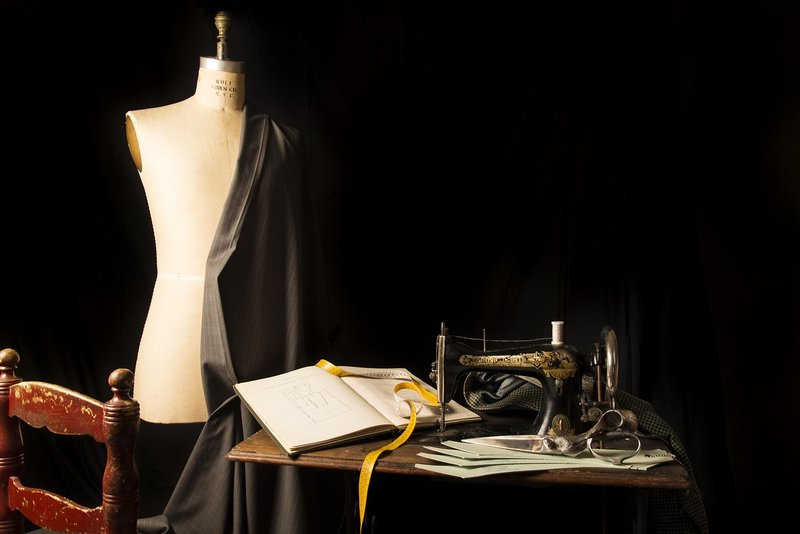
Representative image: stux / Pixabay
Arvind's revenue rose 23% to Rs 2,919 crore in Q2 FY27 and pre-exceptional profit 16% to Rs 123 crore, as input costs squeezed textile margins.
What Happened
Arvind Ltd, the maker of denim, woven fabrics and garments, reported record quarterly revenue for July to September 2026 (Q2 FY27) on Wednesday, October 28, 2026. Consolidated revenue rose 23% from a year earlier to Rs 2,919 crore, and operating profit (EBITDA) rose 27% to Rs 331 crore. Profit after tax before exceptional items rose 16% to Rs 123 crore. Growth was led by the company's advanced materials business, while its core textile business grew more slowly as higher input costs squeezed margins, the company said.
Key Facts
- Company: Arvind Ltd, a textiles, garmenting and advanced materials company.
- Period: quarter ended September 30, 2026 (Q2 FY27); results announced on October 28, 2026.
- Revenue: Rs 2,919 crore, up 23% year on year, a quarterly record.
- EBITDA: Rs 331 crore, up 27%, a margin of 11.4%.
- Profit after tax before exceptional items: Rs 123 crore, up 16%.
- Textiles: revenue of Rs 1,999 crore, up 11%; textile EBITDA of Rs 190 crore, with management pointing to higher input costs.
- Garmenting: revenue of Rs 577 crore, up 9%.
- Advanced materials: revenue of Rs 805 crore, up 81%, the fastest-growing segment.
Why It Matters
Arvind makes fabrics such as denim as well as finished garments, which it supplies to clothing brands. Its results show what is happening at the factory end of the fashion business, before clothes reach a store or a shopping app.
The quarter shows a split. The textile business, which makes the fabric that goes into jeans and shirts, grew 11%. But management said that rising costs of inputs such as raw materials weighed on its margins. For fabric makers, cotton and other input prices can swing sharply, and it is not always possible to pass the increase on to brand customers straight away. The garmenting business, which stitches finished clothes, grew more slowly, at 9%.
The fastest growth came from outside fashion. Arvind's advanced materials division, which makes technical textiles and composite materials, grew its revenue by 81% to Rs 805 crore. The textile business still accounts for about 68% of revenue, but its share is shrinking as other parts of the company grow faster. This shows how traditional textile houses are diversifying into higher-value products that are less tied to clothing fashions and seasons.
For people working in the Indian fashion and textile industry, from mill workers and garment units to designers who source fabric, the results are a reminder that the business behind clothing is shaped by commodity costs and export demand as much as by style. A growing apparel market does not automatically mean easier margins for the companies that make the cloth.
| Segment (Q2 FY27) | Revenue | Growth year on year |
|---|---|---|
| Textiles | Rs 1,999 crore | 11% |
| Advanced materials | Rs 805 crore | 81% |
| Garmenting | Rs 577 crore | 9% |
| Company total | Rs 2,919 crore | 23% |
Impact
Short-term: Investors reacted to the record revenue, and reports said the shares rose after the results. The company has signalled that cost pressure on textile margins may continue in the coming quarter.
Long-term: If advanced materials keeps growing at this pace, it will become a much larger share of Arvind's business, making the company less dependent on the ups and downs of the apparel fabric cycle.
Who is affected: Arvind's shareholders and employees, the clothing brands that buy its denim, fabrics and garments, cotton and yarn suppliers, and workers in its mills and garment units.
Key Takeaway
Arvind's record Q2 FY27 revenue of Rs 2,919 crore came mostly from advanced materials, while its fashion fabric business grew more slowly under rising input costs.
Questions and Answers
What were Arvind's Q2 FY27 results?
For the quarter ended September 30, 2026, Arvind reported revenue of Rs 2,919 crore, up 23%, EBITDA of Rs 331 crore, up 27%, and profit after tax before exceptional items of Rs 123 crore, up 16%.
How did Arvind's textile business perform?
Textile revenue rose 11% to Rs 1,999 crore, with EBITDA of Rs 190 crore, but management said higher input costs put pressure on margins.
Which Arvind business grew fastest?
Advanced materials, which makes technical and composite products, grew revenue by 81% to Rs 805 crore.
Does Arvind make clothes?
Yes. Besides fabrics such as denim, its garmenting business makes finished clothing; that segment's revenue rose 9% to Rs 577 crore in the quarter.
What does EBITDA mean in Arvind's results?
EBITDA is earnings before interest, tax, depreciation and amortisation, a common measure of operating profit. Arvind's EBITDA was Rs 331 crore in Q2 FY27, a margin of 11.4% on revenue.
Disclaimer: Prepared by the Peepals newsroom from publicly available sources with AI assistance. Information is accurate to the best of our knowledge at the time of publication and may change. Images may be representative. Not professional advice. Report an error via our contact page.
By Simran Kaur, Fashion WriterCovers Fashion and more for Peepals Shakti. All stories by Simran Kaur
Siyaram's Q2 FY27: sales up 15%, profit down 14% as stores expand
Pew: 17 US states never had a woman governor, two soon will
Get the day's stories in your inbox
Peepals Weekly: the week decoded, free. One email a week, unsubscribe in one click.
Simran Kaur is a pen name of the Peepals Global Editorial Team, which researches, fact-checks and publishes every story. The portrait is an illustration.